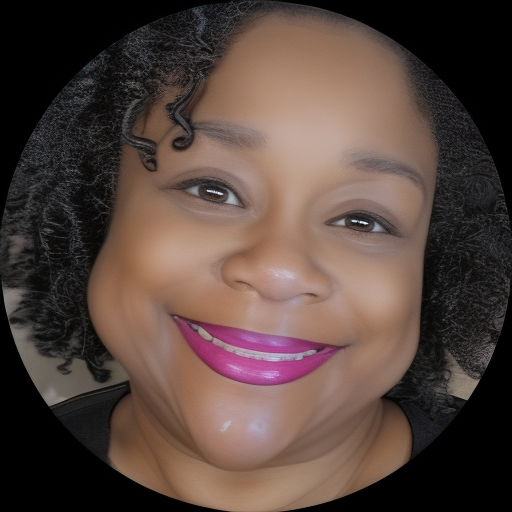
Tahaji Smith, LCSW
Licensed in Florida 3 years in practice Sessions online
Licensed Clinical Social Worker - Stress and Recovery
Surnames under S in the A-Z of everyone listed
License on record
LCSW- LCSW, Florida
- SW24154
- NPI
- 1801609797 national provider identifier
- Years in practice
- 3
- Languages
- English
As listed on the therapist's public professional profile. Check any license with the state board and the NPI with the national registry.
About Tahaji
Licensed Clinical Social Worker (LCSW), Florida. 3 years of post-licensure experience. Tahaji Smith helps people manage stress, anxiety, low self-esteem, depression, substance use concerns, compassion fatigue, relationship and intimacy issues, trauma, and life changes. Tahaji brings a background in public service to her clinical work.
She spent many years as a 911 call taker and dispatcher before completing a Master of Social Work. That experience shaped how she listens under pressure and responds calmly when things feel overwhelming.
Background and approach
In sessions Tahaji uses clear, straightforward conversation. She helps people name difficult feelings and notice patterns that cause hurt or keep them stuck. She draws on evidence-informed tools such as acceptance strategies, cognitive-behavioral techniques, and emotionally-focused work to address relationships and emotional pain.
She also pays attention to how burnout and compassion fatigue affect caregivers and helpers. Tahaji works with people who feel depleted by their roles and with those trying to recover from substance-related problems or impulsive behaviors. She supports practical steps alongside emotional processing.
Tahaji takes a collaborative stance. She and the person she is working with set goals and try approaches for a few sessions to see what helps. She asks straightforward questions, checks progress, and adjusts methods when needed.
Sessions focus on usable skills and clearer thinking about next steps. People who want direct, practical conversation about feelings and behavior will find an approach that emphasizes problem solving and emotional connection.
Focus areas and approaches
Everything Tahaji lists on their public professional profile, in their own terms.
- Stress, Anxiety
- Self esteem
- Depression
- Coping with life changes
- Compassion fatigue
- Addictions
- Relationship issues
- Trauma and abuse
- Intimacy-related issues
- Career difficulties
- Abandonment
- Attachment issues
- Body image
- Caregiver issues and stress
- Codependency
- Commitment issues
- Communication problems
- Dependent personality
- Divorce and separation
- Drug and alcohol addiction
- Eating and food-related issues
- Emptiness
- Forgiveness
- Guilt and shame
- Impulsivity
- Infidelity
- Isolation / loneliness
- Jealousy
- Life purpose
- Midlife crisis
- Mood disorders
- Multicultural concerns
- Panic disorder and panic attacks
- Prejudice and discrimination
- Process addiction (porn, exercise, gambling)
- Self-love
- Sexual dysfunction
- Sexuality
- Social anxiety and phobia
- Women's issues
- Workplace issues
- Young adult issues
Approaches Tahaji names
- Acceptance and Commitment Therapy (ACT)
- Client-Centered Therapy
- Cognitive Behavioral Therapy (CBT)
- Emotionally-Focused Therapy (EFT)
- Existential Therapy
- Mindfulness Therapy
- Motivational Interviewing
- Narrative Therapy
- Solution-Focused Therapy
Naming an approach is not evidence of training in it. This directory copies what each therapist lists and does not check training records.
Therapeutic approaches used in remote work
Tahaji commonly uses Acceptance and Commitment Therapy and Cognitive Behavioral Therapy to address difficult thoughts and behaviors. ACT helps people notice painful thoughts without getting overwhelmed and focus on what matters to them. CBT looks at the link between thoughts, feelings, and actions to create step-by-step changes that reduce symptoms and improve coping.She also draws on Emotionally-Focused Therapy when relationship patterns and attachment hurt are central. EFT helps people identify interaction cycles and express emotions more clearly to improve connection and reduce conflict.
Finding the right approach is part of the work. Tahaji will discuss options and try methods that match a persons needs, goals, and preferences. That collaborative process helps shape whether more acceptance work, cognitive tools, or emotion-focused interventions are most useful.
Session formats are not specified in the biography, so confirm current options before booking. Online work can make it easier to fit therapy into a busy day, shorten commute time, and allow check-ins that focus on immediate problems. It also lets therapists and people try different formats to find what fits scheduling and communication preferences.
We will earn a commission if you sign up through our link, at no cost to you. It does not change what you pay or the order of the listings.
Questions about Tahaji
What concerns does she address most often?
She works with stress, anxiety, self-esteem struggles, depression, substance use, compassion fatigue, trauma, relationship and intimacy issues, and life transitions.
How does she approach therapy?
She uses a collaborative, practical style that mixes acceptance-based tools, cognitive-behavioral techniques, and emotionally focused work to help people change thoughts and behaviors.
What is her clinical background?
She completed a Master of Social Work and has roughly three years of experience as a licensed clinician, plus many years working in public service prior to clinical practice.
Where is she licensed to practice?
She is licensed as an LCSW in Florida.
Which languages are offered for sessions?
Sessions are offered in English.
Can people outside the United States work with her?
She does not accept international clients at this time.
How are sessions paid for?
Cost varies by location and sessions use a subscription model that can be canceled at any time.
How do I begin working with her?
Choose the See online therapy options button, complete a short matching questionnaire, and schedule an initial session.
Before you start. This directory copies what each therapist lists and does not check licenses, training or availability. Confirm the license with the state board for the state you will be in during sessions.
If you are in crisis, call or text 988. In immediate danger, call 911.
Others licensed in Florida
See all in Florida
Victoria Echeverry Navia
LCSW
Licensed Clinical Social Worker - Relationships and Stress
- Stress, Anxiety
- Relationship
- Family

Karina Flores
LCSW
Licensed Clinical Social Worker - Stress and Relationships
- Stress, Anxiety
- Relationship
- Self esteem

Matthew Mulock
LCSW
Licensed Clinical Social Worker - Anxiety and Trauma
- Stress, Anxiety
- Addictions
- Trauma and abuse

Suzanne Brabant
LCSW
Licensed Clinical Social Worker - Stress and Anxiety
- Stress, Anxiety
- Depression
- Coping with life changes
Is this your profile?
Ask us to correct a detail or take the page down.
Contact us