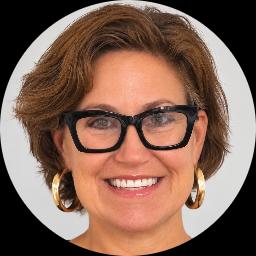
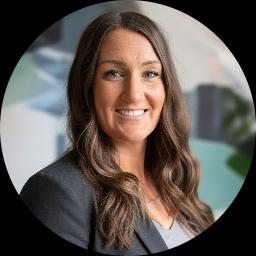
Kellie Cousino
LCSW, LISW-CP
Licensed Clinical Social Worker - stress and addiction
- Stress, Anxiety
- Addictions
- Trauma and abuse
A directory of US therapists who hold an LCSW license
In crisis? Call or text 988LCSW license holders
3,486 clinical social workers list communication problems among the topics they work with. All offer sessions online, and every profile shows each state license and the NPI.
This page lists licensed clinical social workers (LCSWs) who work with communication problems across the United States. Browse the profiles below to review focus areas, listed approaches, languages, and experience to find practitioners who may fit your needs.
LCSW, LISW-CP
Licensed Clinical Social Worker - stress and addiction
LCSW
Licensed Clinical Social Worker - Relationships and Stress
LCSW
Licensed Clinical Social Worker - Relationships and Stress
LCSW
Licensed Clinical Social Worker - Stress and Relationships
LCSW
Licensed Clinical Social Worker - mood and relationship support
LCSW
Licensed Clinical Social Worker - Stress and Relationships
LCSW, CSW
Licensed Clinical Social Worker - Stress and Trauma
LCSW
Licensed clinical social worker - Stress and addictions
LCSW
Licensed Clinical Social Worker - relationships and LGBT issues
LCSW
Licensed Clinical Social Worker - Stress and Trauma
LCSW
Licensed Clinical Social Worker - Stress and Anxiety
LCSW
Licensed Clinical Social Worker - Trauma and Life Changes
LCSW-C, LCSW
Licensed Clinical Social Worker - relationships and mood
LICSW, LCSW
Licensed Clinical Social Worker - Stress and Relationships
LCSW
Licensed Clinical Social Worker - anxiety and relationships
LCSW, CSW
Licensed Clinical Social Worker - stress and relationships
LCSW
Licensed Clinical Social Worker - Mood and life transitions
LCSW
Licensed clinical social worker - Stress and ADHD
LCSW
Licensed Clinical Social Worker - Stress and Identity
LCSW
Licensed Clinical Social Worker - Relationships and Trauma
LCSW
Licensed Clinical Social Worker - Relationships and Trauma
LCSW
Licensed Clinical Social Worker - Stress and Relationships
LCSW
Licensed Clinical Social Worker - Mood and relationships
LCSW-R, LCSW
Licensed Clinical Social Worker - Family and Trauma
LCSW
Licensed Clinical Social Worker - Trauma and Family Concerns
LCSW
Licensed Clinical Social Worker - Stress and Relationships
LCSW
Licensed Clinical Social Worker - Trauma and relationships
LCSW
Licensed Clinical Social Worker - Stress and Mood Concerns
LCSW
Licensed Clinical Social Worker - Stress and Trauma
LCSW
Licensed Clinical Social Worker - Addictions and Family Issues
LCSW
Licensed Clinical Social Worker - Relationships and Parenting
LCSW
Licensed Clinical Social Worker - Stress and Trauma
LCSW
Licensed Clinical Social Worker - Stress and relationships
LCSW
Licensed Clinical Social Worker - Trauma and Addictions
LCSW
Licensed Clinical Social Worker - Stress and Relationships
LCSW
Licensed Clinical Social Worker - Stress and Anxiety
LCSW
Licensed Clinical Social Worker - Stress and Anxiety
LCSW
Licensed Clinical Social Worker - Stress and Trauma
LCSW
Licensed Clinical Social Worker - Stress and Trauma
LCSW
Licensed Clinical Social Worker - Stress and Trauma
LCSW
Licensed clinical social worker - trauma and addiction
LCSW, LPCC
Licensed Clinical Social Worker - Stress and Parenting
Some links on this page are partner links. We will earn a commission if you sign up through one, at no cost to you. It does not change what you pay or the order of the listings.
Communication problems cover a wide range of difficulties in how people express themselves and understand others. You might struggle to say what you mean, to listen without becoming defensive, or to interpret tone and nonverbal cues. For some people the issue is mainly in intimate relationships where misunderstandings escalate into repeated conflict. For others it shows up at work in the form of missed expectations, unclear emails, or difficulty giving and receiving feedback. Communication problems can also appear in family settings, with children, or across cultural and language differences that affect how messages are framed and received.
These difficulties influence more than just conversations. They affect how you make decisions, how safe you feel voicing needs, and how connected you are to the people around you. Because communication happens in context, an LCSW’s approach often considers not only individual skills but also environmental factors that shape interactions. Housing stress, job demands, financial strain, community norms, and family roles all influence how you communicate. Addressing communication problems therefore often means working on both how you exchange messages and the real-world circumstances that shape those exchanges.
You might be wondering whether therapy could help. Common signals include repeated misunderstandings with the same people, frequent arguments that seem to follow familiar scripts, or feeling unheard despite trying to explain yourself. You may avoid conversations because they feel overwhelming, or you may notice others withdraw from you. At work you might face recurring performance issues tied to miscommunication, or you might struggle with team dynamics where intent and impact diverge. Parents and caregivers often seek help when generational patterns lead to escalating conflict or silence.
If you are feeling isolated, chronically frustrated, or stuck in a loop of defensive responses, an LCSW can help you explore both skill-building and the broader life circumstances that make communication difficult. Licensed clinical social workers hold a master’s degree in social work, have completed a state-prescribed period of supervised post-graduate clinical experience, and have passed a clinical licensing examination. Because their licensing and scope of practice are set by state boards, you may see variation in titles and permitted activities from state to state. One reason someone might specifically choose an LCSW is the profession’s person-in-environment perspective - that is, an attention to how housing, work, finances, family roles, and community shape your interactions as much as individual patterns do.
When you work with a licensed clinical social worker on communication concerns, sessions tend to blend listening, skill practice, and exploration of context. Early meetings often focus on understanding the most stressful patterns and what you want to change. The LCSW will ask about recent conflicts, patterns that recur across relationships, and the environmental pressures that make communication harder. You can expect reflective conversation about the thoughts and emotions that drive your responses as well as attention to practical barriers - unpredictable schedules, caregiving demands, or financial strain - that shape how and when you can communicate.
Therapeutic work may include learning concrete skills such as clarifying statements, using "I" language to express needs, active listening techniques, and ways to slow down high-intensity conversations. You may also do role-playing in session to rehearse a difficult conversation in a setting where you can try new responses and get feedback. An LCSW will typically help you set realistic goals, plan small experiments in everyday life, and notice changes in how others respond. Because social work training focuses on environment, your sessions may also address system-level supports - for example, connecting you with community resources, workplace accommodations, or family services that make it easier to practice and sustain different communication strategies.
Licensed clinical social workers draw on many approaches when working with communication problems, and the directory records the approaches individual therapists list. You may find therapists who list cognitive-behavioral ideas that help you recognize unhelpful thought patterns that block clear expression. Others may list relational or experiential approaches that focus on how attachment history and emotional regulation shape conversations. Some practitioners list family systems ideas that look at repeating roles across generations, while others indicate approaches oriented to problem-solving and behavioral rehearsal.
It is important to remember that the listing of an approach does not by itself verify specialized certification. What you can expect from an LCSW is a focus on how you interact with your environment as well as internal patterns. That means your therapist might identify practical obstacles to good communication - such as shift work that disrupts family time or barriers to childcare that increase stress - and help you address those alongside building skills. The person-in-environment perspective encourages you to see communication as a dynamic exchange influenced by social roles, cultural expectations, and situational stressors, rather than a problem that sits only inside one person.
Many licensed clinical social workers offer remote sessions that allow you to meet from home, from a car between shifts, or from another convenient location. Remote sessions are commonly held by video, by phone, or in some cases through asynchronous messaging. Session length is often similar to in-person work - frequently fifty to sixty minutes - and frequency ranges from weekly to less often depending on your goals. Because licensure is state-based, an LCSW can only provide clinical services in locations where their license permits. If you plan to use online sessions across state lines, ask about that licensure limitation when you review a therapist’s profile.
When evaluating profiles, focus on the fit between your needs and the therapist’s listed focus areas, approaches, and experience. Look for clinicians who mention work with communication challenges, couples or family dynamics if those fit your situation, and experience with the age group or cultural background that matters to you. Consider practical factors such as session format, the languages offered, and whether the therapist discusses working with specific settings like workplaces or blended families. The LCSW credential tells you the clinician has completed a master’s in social work and supervised clinical hours and is licensed by a state board - that background is particularly relevant if you want someone who takes environmental and systemic factors into account.
It can help to prepare a short description of your main communication concern and what you hope will change, so you can compare how different profiles align with your priorities. You may also pay attention to whether a therapist mentions collaborative work - for example, coordinating with schools, employers, or other professionals - if that is important to your circumstances. Finally, consider practical matters such as fees, insurance policies, and whether the clinician lists evening or weekend session options if your schedule requires them. These elements will help you narrow profiles to a smaller group whose experience and approach match your communication goals.
Working on communication is often gradual and practical - you will practice new ways of expressing needs and receiving feedback while adjusting the surrounding conditions that make change possible. An LCSW’s combination of clinical training and attention to social context can give you tools for clearer conversations as well as strategies to reduce the stresses that make communication harder. Use the profiles on this page to learn about clinicians’ focus areas, approaches, and experience so you can find a licensed clinical social worker whose perspective aligns with the outcomes you want to achieve.