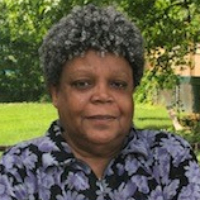
Denise Greenwood
LCSW
Licensed Clinical Social Worker - life transitions
- Stress, Anxiety
- Grief
- Self esteem
A directory of US therapists who hold an LCSW license
In crisis? Call or text 988LCSW license holders
5,040 clinical social workers list stress & anxiety among the topics they work with. All offer sessions online, and every profile shows each state license and the NPI.
This directory lists licensed clinical social workers who work with stress and anxiety. Browse the profiles below to review practitioners' focus areas, approaches, credentials, languages, and experience.
LCSW
Licensed Clinical Social Worker - life transitions
LCSW, LISW-CP
Licensed Clinical Social Worker - stress and addiction
LCSW
Licensed clinical social worker - mood and attention
LCSW
Licensed Clinical Social Worker - Stress and Grief
LCSW
Licensed Clinical Social Worker - Relationships and Stress
LCSW
Licensed Clinical Social Worker - Relationships and Stress
LCSW
Licensed Clinical Social Worker - Stress and Relationships
LCSW
Licensed Clinical Social Worker - mood and relationship support
LCSW
Licensed Clinical Social Worker - Stress and Relationships
LCSW, CSW
Licensed Clinical Social Worker - Stress and Trauma
LCSW
Licensed Clinical Social Worker - stress and relationships
LCSW
Licensed clinical social worker - Stress and addictions
LISW-CP, LCSW
Licensed clinical social worker - stress and trauma
LCSW
Licensed Clinical Social Worker - Anxiety and Trauma
LCSW
Licensed Clinical Social Worker - Stress and Trauma
LCSW
Licensed Clinical Social Worker - Stress and Anxiety
LCSW
Licensed Clinical Social Worker - Trauma and Life Changes
LCSW
Licensed Clinical Social Worker - Stress and Trauma
LCSW-C, LCSW
Licensed Clinical Social Worker - relationships and mood
LICSW, LCSW
Licensed Clinical Social Worker - Stress and Relationships
LCSW
Licensed Clinical Social Worker - Stress and Anxiety
LCSW
Licensed Clinical Social Worker - trauma and anxiety
LCSW
Licensed Clinical Social Worker - anxiety and relationships
LCSW, CSW
Licensed Clinical Social Worker - stress and relationships
LCSW
Licensed Clinical Social Worker - mood and relationship concerns
LCSW
Licensed Clinical Social Worker - Mood and life transitions
LCSW
Licensed clinical social worker - Stress and ADHD
LCSW
Licensed Clinical Social Worker - Stress and Identity
LCSW
Licensed Clinical Social Worker - Relationships and Trauma
LCSW
Licensed Clinical Social Worker - Relationships and Trauma
LCSW
Licensed Clinical Social Worker - Stress and Relationships
LCSW
Licensed Clinical Social Worker - Mood and relationships
LCSW
Licensed Clinical Social Worker - Trauma and Family Concerns
LCSW
Licensed Clinical Social Worker - Stress and Relationships
LCSW
Licensed Clinical Social Worker - Trauma and relationships
LCSW
Licensed Clinical Social Worker - Stress and Mood Concerns
LCSW
Licensed Clinical Social Worker - Stress and Trauma
LCSW
Licensed Clinical Social Worker - Stress and Trauma
LCSW
Licensed Clinical Social Worker - Stress and relationships
LCSW
Licensed Clinical Social Worker - Addictions and Family Concerns
LCSW
Licensed Clinical Social Worker - Stress and Relationships
LCSW
Licensed Clinical Social Worker - Stress and Anxiety
LCSW
Licensed Clinical Social Worker - Stress and Anxiety
LCSW
Licensed Clinical Social Worker - Stress and Trauma
LCSW
Licensed Clinical Social Worker - Stress and Trauma
Some links on this page are partner links. We will earn a commission if you sign up through one, at no cost to you. It does not change what you pay or the order of the listings.
Stress and anxiety are related experiences that affect your thoughts, emotions, and body. Stress often comes from external pressures such as work demands, caregiving responsibilities, financial strain, or big life transitions. Anxiety tends to involve ongoing worry, tension, or rumination that can feel disproportionate to the immediate situation. Both can affect sleep, concentration, appetite, energy, relationships, and your ability to carry out daily tasks. You may notice physical signs like muscle tension, headaches, an elevated heart rate, or digestive changes alongside restless thinking and difficulty calming your mind.
When you look for help with stress and anxiety on a directory like this one, you are connecting with professionals who hold a licensed clinical social worker credential. An LCSW has completed a master’s degree in social work, a state-set period of supervised post-graduate clinical experience - commonly around two to three years and several thousand hours depending on the state - and passed a clinical licensing exam. The license is issued and renewed by an individual state board, so exact scope of practice and title vary by state. Social work training emphasizes a person-in-environment perspective, which means your life circumstances - housing, work, family, finances, and community supports - are considered alongside your internal experience when developing helpful strategies.
You might consider seeking support if stress or anxiety is persistent or interfering with things you care about. If worry occupies a large portion of your day, if you are avoiding activities you used to enjoy, or if sleep and concentration are consistently disrupted, these are reasons many people reach out to a clinician. You might also seek help when stress spills over into relationships or work, when you notice increased irritability or withdrawal, or when efforts to cope on your own are not producing relief. Physical symptoms that have no clear medical cause can also be related to ongoing anxiety or prolonged stress.
Choosing to speak with a licensed clinical social worker can be particularly useful if your stress or anxiety is intertwined with situational factors. Because social work training looks at the person within their broader context, you can expect attention to practical barriers and resources as part of the work. That may include exploring how employment conditions, caregiving roles, housing, access to community supports, or cultural and social factors shape your experience. If you want a practitioner who considers both internal patterns and life circumstances when addressing stress and anxiety, an LCSW is a credential to note when reviewing listings.
When you begin sessions with an LCSW, the first few meetings typically focus on understanding your current challenges and the context around them. You can expect discussion of symptoms, stressors, patterns in thinking and behavior, and how those patterns affect your daily functioning. An LCSW will generally gather information about your social supports, work and housing situations, and any other life conditions that influence your wellbeing. This broader assessment helps shape goals that are meaningful to you and feasible in your circumstances.
Therapeutic work for stress and anxiety often includes building skills to manage symptoms, practicing strategies to reduce physiological arousal, and exploring underlying thought patterns that maintain worry. Sessions can also include problem-solving around specific life stressors and connecting you to community resources when relevant. Many people find that combining symptom-focused skills with attention to environmental factors gives them practical steps to reduce daily pressure while also addressing patterns that keep anxiety active. The pace and content of sessions are usually tailored to what you want to accomplish and the timeline that fits your life.
Session length is commonly around 45 to 60 minutes, and frequency varies based on need and goals. Some people begin with weekly meetings to establish momentum, while others prefer biweekly or less frequent check-ins after an initial period. You and the LCSW can discuss a plan that balances treatment goals with your schedule and other responsibilities. Expectations about duration of care differ, so it is reasonable to ask about how the clinician typically structures work for stress and anxiety and what short-term and longer-term options look like.
Licensed clinical social workers draw on a range of approaches that you may see listed in profiles. Approaches commonly listed include cognitive behavioral strategies that focus on identifying and shifting unhelpful thinking and behavior patterns, mindfulness-based techniques that help you relate differently to anxious thoughts, and acceptance-oriented methods that emphasize living according to your values despite uncomfortable feelings. You may also encounter therapists who list psychodynamic perspectives that explore how past experiences shape current emotional patterns, or interpersonal approaches that center on relationships and communication.
It is important to remember that a listing of an approach does not itself guarantee training or certification in a modality. When you review profiles, you can look for language like therapists who list cognitive behavioral techniques or therapists who list mindfulness-based approaches rather than assuming a credential implies a specific training path. Discussing particular techniques and your preferences during an initial conversation can help you understand how a therapist applies those approaches to stress and anxiety.
Online sessions have become a common way to connect with licensed clinical social workers for stress and anxiety. Virtual sessions typically take place through video conferencing or phone, using platforms that include privacy measures such as encrypted connections and provider privacy policies that explain recordkeeping and communication practices. You will want to confirm practical details like session length, how to join the meeting, payment arrangements, and what to do in case of technical issues before your first online meeting.
Online care can make it easier to fit sessions into a busy schedule, reduce travel time, and expand the range of therapists you can consider, especially if you live in an area with fewer local clinicians. If your stress or anxiety is tied to specific environments - for example, workplace stress or caregiving situations - online sessions can make it straightforward to discuss strategies in the context where they occur. Some people prefer starting online and later switching to in-person meetings if that option is available. Keep in mind that licensing rules mean a clinician can only provide clinical services to you from states where they are authorized to practice, since licensure is regulated at the state level.
When choosing a licensed clinical social worker, consider factors that matter most to you. Look for an LCSW credential to ensure the clinician has met the graduate education, supervised clinical experience, and licensing exam requirements in their state. Pay attention to focus areas and how the clinician describes their experience with anxiety and stress-related concerns. Review listed approaches and settings to see if their style and emphasis resonate with your needs. Language capacity, cultural competency, and experience working with populations that match your identity or circumstances can also be important.
Think about practical considerations such as session format - in-person, online, or a combination - and payment methods or insurance participation if that matters to you. It is appropriate to ask a clinician how they typically work with stress and anxiety, what kinds of strategies they emphasize, and how they incorporate your life context into the plan. Comparing focus areas, approaches, credentials, languages, and experience across profiles can help you narrow choices and find a clinician whose perspective and methods feel like a good match for your goals. Taking that first step to reach out can help you explore options and select an LCSW who aligns with the way you want to address stress and anxiety.