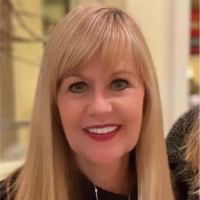
Karina Flores
LCSW
Licensed Clinical Social Worker - Stress and Relationships
- Stress, Anxiety
- Relationship
- Self esteem
A directory of US therapists who hold an LCSW license
In crisis? Call or text 988LCSW license holders
1,261 clinical social workers name Trauma-Focused Therapy as a method they use. Naming a method is not proof of training in it, so ask how they use it.
Trauma-focused therapy centers on addressing the emotional and practical effects that traumatic events can have over time, helping people process memories, manage symptoms, and restore everyday functioning. Below you can browse Licensed Clinical Social Workers who list trauma-focused therapy among their approaches to explore backgrounds, languages, and areas of focus.
LCSW
Licensed Clinical Social Worker - Stress and Relationships
LCSW
Licensed Clinical Social Worker - Stress and Relationships
LCSW
Licensed Clinical Social Worker - Stress and Trauma
LCSW
Licensed Clinical Social Worker - anxiety and relationships
LCSW
Licensed Clinical Social Worker - Stress and Identity
LCSW
Licensed Clinical Social Worker - Relationships and Trauma
LCSW
Licensed Clinical Social Worker - Mood and relationships
LCSW
Licensed Clinical Social Worker - Addictions and Family Concerns
LCSW
Licensed Clinical Social Worker - Stress and Anxiety
LCSW, LPCC
Licensed Clinical Social Worker - Stress and Parenting
LCSW
Licensed Clinical Social Worker - Stress and Trauma
LCSW
Licensed Clinical Social Worker - trauma and mood concerns
LCSW
Licensed Clinical Social Worker - Stress and Trauma
LCSW
Licensed Clinical Social Worker - Stress and Trauma
LCSW
Licensed Clinical Social Worker - Stress and anxiety
LCSW
Licensed Clinical Social Worker - Anxiety and Trauma
LCSW, LISW-CP
Licensed Clinical Social Worker - Stress and Trauma
LCSW, LPC
Licensed Clinical Social Worker - Stress and Family Issues
LCSW
Licensed Clinical Social Worker - Stress and Addictions
LCSW
Licensed Clinical Social Worker - mood and addiction support
LCSW
Licensed social worker - stress and addiction
LCSW
Licensed Clinical Social Worker - Relationships and Grief
LCSW
Licensed Clinical Social Worker - Relationship and Trauma
LCSW
Licensed Clinical Social Worker - grief and life changes
LCSW
Licensed Clinical Social Worker - Stress and Addictions
LCSW
Licensed Clinical Social Worker - mood and relationship concerns
LCSW
Licensed Clinical Social Worker - Trauma and Mood
LCSW
Licensed Clinical Social Worker - stress and relationships
LCSW, CSW
Licensed Clinical Social Worker - stress and addiction
LCSW, LISW
Licensed Clinical Social Worker - Addictions and Trauma
LCSW, CSW
Licensed Clinical Social Worker - Mood and relationship issues
LCSW
Licensed Clinical Social Worker - Relationships and Trauma
LCSW
Licensed Clinical Social Worker - relationships and trauma
LCSW
Licensed Clinical Social Worker - Stress and Trauma
LCSW
Licensed Clinical Social Worker - stress and relationships
LCSW
Licensed Clinical Social Worker - mood and trauma
LCSW
Licensed Clinical Social Worker - Trauma and Mood Concerns
LCSW, LISW
Licensed Clinical Social Worker - Women's mental health
LCSW, CSW
Licensed Clinical Social Worker - Mood and trauma
LCSW, CSW
Licensed Clinical Social Worker - relationships and addictions
LCSW
Licensed Clinical Social Worker - stress and relationships
LCSW
Licensed Clinical Social Worker - Relationships and Mood
LCSW
Licensed social worker - trauma and relationships
LCSW
Licensed clinical social worker - addictions and trauma
LCSW
Licensed clinical social worker - mood and addiction concerns
LCSW
Licensed Clinical Social Worker - relationship and mood concerns
LCSW
Licensed Clinical Social Worker - trauma and anxiety
Some links on this page are partner links. We will earn a commission if you sign up through one, at no cost to you. It does not change what you pay or the order of the listings.
When you look for trauma-focused therapy, you are seeking an approach that intentionally concentrates on the impact of traumatic events and the ways those experiences shape thoughts, feelings, relationships, and behavior. At its core, trauma-focused work aims to help you make meaning of what happened, reduce the intensity of distressing memories, and build skills to cope when reminders arise. Practitioners who list trauma-focused therapy among their approaches typically combine attention to emotional processing with strategies for safety, stabilization, and symptom management rather than treating distress as isolated from everyday life.
Licensed Clinical Social Workers bring a distinct orientation to this work because of the social work frame. An LCSW has completed a master’s degree in social work, a state-set period of supervised clinical experience after graduation, and a clinical licensing exam. Social work training emphasizes a person-in-environment perspective, which means a social worker will look at housing, work, family, finances, community supports, and access to services alongside your internal experience. That broader lens can be useful if your recovery depends not only on processing memories but also on practical changes to your living situation or social supports.
Trauma-focused approaches are commonly used when past events continue to affect your current functioning. People pursue this kind of work for a range of experiences, including single-incident traumas such as accidents or assaults, repeated interpersonal harm, childhood adversity, medical trauma, and complex traumatic histories that extend over time. The focus is on patterns that endure beyond the event itself - intrusive memories, flashbacks, avoidance, heightened arousal, difficulties with trust, and mood or sleep disruptions.
You may also seek trauma-focused therapy when trauma is connected to other concerns, such as depression, anxiety, relationship strain, substance use, or challenges at work or school. Because Licensed Clinical Social Workers are trained to consider environmental influences, they may also help you address barriers that make recovery harder to sustain, like unstable housing, limited access to income, or strained family systems. In practice, trauma-focused work often addresses both the internal responses you experience and the external conditions that shape recovery.
The structure of sessions can vary depending on the therapist’s style and the needs you bring, but you can expect a balance of validation, skills-building, and targeted work on trauma-related material. Early sessions are often devoted to assessment and safety - the clinician will ask about your history, current symptoms, supports, and any immediate risks. You and the therapist will discuss goals for therapy and what a manageable pace of work looks like for you.
As you move into focused work, sessions may include teaching grounding or regulation skills to help you tolerate distress, exploring the meaning you attach to traumatic events, and gradually processing memories in ways that reduce emotional intensity. Some clinicians use narrative methods that help you reframe the story of what happened and its impact on your life. Others emphasize behavioral strategies to reduce avoidance and rebuild social and occupational functioning. Throughout, an LCSW’s attention to your environmental context may mean sessions also cover resources, coordination with other services, or problem-solving around practical barriers to healing.
Trauma-focused therapy differs from general talk therapy in that the treatment intent is explicitly centered on trauma-related symptoms and their consequences. While many therapeutic approaches can be helpful for broad mental health concerns, trauma-focused approaches prioritize techniques and pacing that address the specific processes associated with traumatic memory, avoidance, and hyperarousal. That focus shapes the types of interventions you may experience, such as exposure-based processing, memory integration work, or structured skills training designed to manage trauma reactions.
Compared with interventions that focus primarily on the present moment or on brief problem-solving, trauma-focused work often involves a planned progression from stabilization to processing to consolidation. Because Licensed Clinical Social Workers also attend to the practical effects of trauma, your sessions may include attention to housing, employment, benefits, or family dynamics in ways that some other clinicians do not routinely incorporate. If you are exploring clinicians, note that therapists list a range of approaches; some may emphasize trauma-focused methods alongside complementary strategies that address behavior, relationships, or life circumstances.
You might be a good candidate for trauma-focused therapy if traumatic memories, emotional reactivity, avoidance, or related problems are interfering with your daily life and you are ready to work on those issues. It is important that the pace of trauma-focused work fits your current supports and stressors - if you are experiencing immediate crises or unstable living conditions, you and a clinician may agree to prioritize stabilization and basic needs first. Because trauma-focused therapy can involve confronting difficult memories, many people find it most beneficial when they have some capacity for distress tolerance and access to support between sessions.
Consider also how important it is that your clinician understands the whole picture of your life. If practical matters such as caregiving demands, legal concerns, or housing instability are integral to your distress, a Licensed Clinical Social Worker’s person-in-environment training may be particularly helpful. In contrast, if you want a clinician who focuses narrowly on brief symptom reduction without broader systems work, you should look for someone whose profile aligns with that preference. Therapists in the directory list their focus areas, approaches, and languages to help you assess fit on those dimensions.
When you search the directory, start by noting credentials and approach descriptions. Look for clinicians who hold an LCSW if you value social work’s emphasis on practical supports and community context. Read profiles to see whether a therapist lists trauma-focused therapy among their approaches and whether they mention related focus areas such as PTSD, complex trauma, or childhood adversity. Pay attention to languages spoken, years of clinical experience, and any notes about working with specific populations, such as veterans, survivors of interpersonal violence, or people navigating immigration-related stressors.
Think about logistics and preferences that will shape your experience - whether you want in-person sessions in a local area, telehealth options, evening or weekend hours, or a therapist who works with couples or families. Compare profiles on the basis of focus areas, approaches, credentials, languages, and experience rather than assuming any single label guarantees a particular method. If you have questions about a clinician’s approach, many therapists include short profile summaries or practice statements that can give you a clearer sense of how they work. That information can help you identify clinicians whose methods and background align with your goals for trauma-focused therapy and the life circumstances you want addressed alongside clinical work.
Choosing trauma-focused therapy is a step toward addressing how past events affect your present life. By focusing on both emotional processing and the practical context around you, Licensed Clinical Social Workers who list trauma-focused therapy among their approaches can offer a comprehensive path forward. Use the directory to explore profiles, compare areas of emphasis, and learn more about the clinicians who might match the kind of care you are seeking.