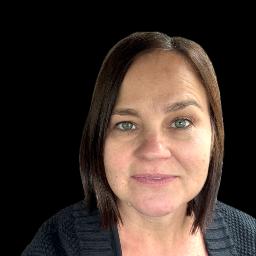
Kellie Cousino
LCSW, LISW-CP
Licensed Clinical Social Worker - stress and addiction
- Stress, Anxiety
- Addictions
- Trauma and abuse
A directory of US therapists who hold an LCSW license
In crisis? Call or text 988LCSW license holders
3,299 clinical social workers list trauma and abuse among the topics they work with. All offer sessions online, and every profile shows each state license and the NPI.
This page features profiles of licensed clinical social workers (LCSWs) who focus on trauma and abuse, including interpersonal violence, childhood trauma, and complex stress reactions. Browse the listings below to review each LCSW's focus areas, approaches, languages, and professional experience.
LCSW, LISW-CP
Licensed Clinical Social Worker - stress and addiction
LCSW
Licensed clinical social worker - mood and attention
LCSW
Licensed Clinical Social Worker - Stress and Relationships
LCSW
Licensed Clinical Social Worker - mood and relationship support
LCSW, CSW
Licensed Clinical Social Worker - Stress and Trauma
LCSW
Licensed Clinical Social Worker - stress and relationships
LCSW
Licensed Clinical Social Worker - Trauma and Grief
LISW-CP, LCSW
Licensed clinical social worker - stress and trauma
LCSW
Licensed Clinical Social Worker - Anxiety and Trauma
LCSW
Licensed Clinical Social Worker - Stress and Trauma
LCSW
Licensed Clinical Social Worker - Trauma and Life Changes
LCSW
Licensed Clinical Social Worker - Stress and Trauma
LCSW
Licensed Clinical Social Worker - trauma and anxiety
LCSW
Licensed Clinical Social Worker - anxiety and relationships
LCSW, CSW
Licensed Clinical Social Worker - stress and relationships
LCSW
Licensed Clinical Social Worker - Stress and Identity
LCSW
Licensed Clinical Social Worker - Relationships and Trauma
LCSW
Licensed Clinical Social Worker - Relationships and Trauma
LCSW
Licensed Clinical Social Worker - Mood and relationships
LCSW-R, LCSW
Licensed Clinical Social Worker - Family and Trauma
LCSW
Licensed Clinical Social Worker - Trauma and Family Concerns
LCSW
Licensed Clinical Social Worker - Trauma and relationships
LCSW
Licensed Clinical Social Worker - Stress and Trauma
LCSW
Licensed Clinical Social Worker - Stress and Trauma
LCSW
Licensed Clinical Social Worker - Trauma and Addictions
LCSW
Licensed Clinical Social Worker - Addictions and Family Concerns
LCSW
Licensed Clinical Social Worker - Stress and Relationships
LCSW
Licensed Clinical Social Worker - Stress and Anxiety
LCSW
Licensed Clinical Social Worker - Stress and Trauma
LCSW
Licensed Clinical Social Worker - Stress and Trauma
LCSW
Licensed Clinical Social Worker - Stress and Trauma
LCSW
Licensed Clinical Social Worker - Stress and Trauma
LCSW
Licensed clinical social worker - trauma and addiction
LCSW, LPCC
Licensed Clinical Social Worker - Stress and Parenting
LCSW
Licensed Clinical Social Worker - Depression and Anxiety
LCSW
Licensed Clinical Social Worker - Stress and Trauma
LCSW, CSW
Licensed Clinical Social Worker - Stress and Addictions
LCSW
Licensed Clinical Social Worker - trauma and mood concerns
LCSW
Licensed Clinical Social Worker - Relationships and Addictions
LCSW
Licensed Clinical Social Worker - Stress and Trauma
LCSW
Licensed Clinical Social Worker - relationships and life changes
LCSW
Licensed Clinical Social Worker - stress and trauma
LCSW
Licensed clinical social worker - mood and life changes
LCSW
Licensed clinical social worker - relationships and trauma
LCSW
Licensed Clinical Social Worker - Anxiety and Trauma
Some links on this page are partner links. We will earn a commission if you sign up through one, at no cost to you. It does not change what you pay or the order of the listings.
Trauma and abuse refer to experiences that overwhelm a person’s sense of safety or dignity. This can include single events such as a serious accident or assault, repeated harm such as childhood abuse or domestic violence, and chronic exposures like community violence or prolonged neglect. The term trauma also covers reactions to events that involve threats to life, bodily integrity, or emotional safety. Abuse may be physical, sexual, emotional, financial, or involve coercive control. While experiences differ widely, many people who have lived through trauma or abuse report disturbances in mood, attention, relationships, sleep, and overall sense of self.
The effects of trauma and abuse are not limited to emotions. You may notice changes in how you function at work, in relationships, or in everyday tasks. Social workers who hold an LCSW are educated to consider the person-in-environment perspective. That means an LCSW looks at the whole context - housing, work, family, community resources, and access to care - alongside the internal experience. This broader lens can be especially useful when trauma or abuse has ripple effects across many areas of life, since social work training emphasizes practical supports as well as emotional processing.
If you are experiencing persistent distress after a harmful event or pattern of harm, an LCSW can be a resource. Common signs that people seek help for trauma and abuse include recurring intrusive memories or nightmares, strong emotional reactivity to reminders, avoidance of people or places connected to the experience, chronic anxiety or depression, and difficulties trusting others. Some people find themselves reacting with anger, numbing, or dissociation in situations that did not cause such responses before the trauma. You might also notice practical problems such as trouble holding a job, unstable housing, or strained family relationships that relate back to traumatic experiences.
Another important sign is if past harm continues to affect your decision-making or safety. Survivors of abuse sometimes need focused support to rebuild routines, set boundaries, and access community services. An LCSW’s training includes understanding how environmental factors - income, family obligations, legal systems, and access to care - interact with emotional recovery. That makes LCSWs especially positioned to coordinate supports that address immediate practical needs while also working on trauma-related symptoms.
Sessions with an LCSW typically begin with an assessment of your current situation, including how trauma or abuse has affected your emotions, relationships, daily functioning, and community resources. The LCSW will review their professional background and may discuss the areas they focus on, the approaches they list among their work, and how they typically structure sessions. You can expect a blend of emotional support and attention to real-world needs, such as referrals for housing, legal advocacy, or benefits when those issues are relevant to recovery.
Therapeutic pacing is often emphasized in trauma work. You and the LCSW will work at a level that respects what feels manageable, moving between exploring memories, building coping skills, and addressing current stressors. Some sessions may focus on grounding and stabilization skills if strong distress is present. Other sessions may address relationship patterns, family dynamics, or community resources that influence recovery. An LCSW’s person-in-environment focus means the work may extend beyond symptom reduction to include practical problem solving and connection with supports in the community.
Profiles in this directory often list approaches that therapists use in their practice. In trauma and abuse work, common approaches you may see listed include cognitive-behavioral methods that address thought patterns and symptoms, exposure-based strategies that help process traumatic memories, and somatic or body-focused approaches that help people reconnect with physical sensations. Therapists may also list relational or systems-oriented approaches that consider family and social context. When reading profiles, note how an LCSW describes their focus areas and the kinds of goals they commonly work toward with people who have experienced trauma.
On this site each profile shows approaches an LCSW lists among their practice. A listing indicates that the clinician includes that approach in how they describe their work, and does not itself verify formal certification or a particular training pathway. If the use of a specific method is important to you, consider asking about how the clinician applies that approach in practice and how they tailor it to the needs of someone who has experienced trauma or abuse.
Online sessions with an LCSW often use video or phone formats to create a regular time to address trauma-related concerns. These sessions can allow you to meet from a place that feels familiar and reduce travel barriers. Many clinicians combine skill-building, emotional processing, and coordination of services during remote sessions. When working online, clinicians may discuss how to manage strong emotions during or after a session, establish a plan for moments of crisis, and outline what local resources a client can access if immediate support is needed. Because licensing is managed by state boards, and scope of practice varies by state, clinicians will operate under the rules of the state in which they are licensed.
When considering which LCSW might be a fit, focus on several practical factors. Look at the clinician’s stated areas of focus and the types of trauma they mention, along with languages spoken and experience with specific populations. Consider whether a person-in-environment orientation is important to you - that perspective means the clinician will attend to housing, employment, family dynamics, and community connections as part of care. Review the approaches the clinician lists, keeping in mind that a listing reflects how they describe their practice rather than an external certification. Also note licensure details - an LCSW holds a master’s degree in social work, has completed a state-set period of supervised post-graduate clinical experience (commonly around two to three years and several thousand hours, varying by state), and has passed a clinical licensing examination. The license is issued and renewed by a state board, and scope of practice and title can vary by state.
Finally, think about logistics that matter to your healing journey, such as session format, language, cultural competence, and whether the clinician’s focus aligns with the kind of support you want. It can be helpful to read profiles for how an LCSW describes their approach to trauma and to look for descriptions that match your priorities - whether that is emotion regulation, processing painful memories, rebuilding relationships, or connecting to practical supports. Taking time to review profile details about focus areas, approaches listed, languages, and clinical experience can help you identify LCSWs whose work aligns with your needs and values.
Choosing a clinician for trauma and abuse recovery is a personal process. An LCSW’s training and person-in-environment perspective often make them a strong option for people whose healing involves both emotional processing and practical life changes. Use the profiles below to explore the range of LCSWs who list trauma and abuse among their focus areas, and look for descriptions that resonate with what matters most to you as you move toward recovery.