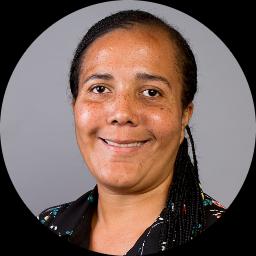
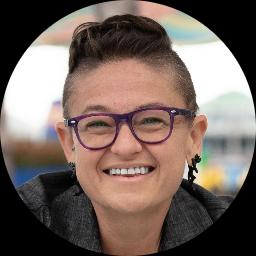
Victoria Echeverry Navia
LCSW
Licensed Clinical Social Worker - Relationships and Stress
- Stress, Anxiety
- Relationship
- Family
A directory of US therapists who hold an LCSW license
In crisis? Call or text 988LCSW license holders
688 clinical social workers in this directory are licensed in Florida. Sessions are online, but a license covers one state, so check the license card on each profile if you will be somewhere else during sessions.
Welcome to the Florida directory of online Licensed Clinical Social Workers. Every clinician listed holds an active license to practice in the United States and meets state licensing requirements. Explore profiles to learn about focus areas, languages, training, and experience as you consider who might be a good match.
LCSW
Licensed Clinical Social Worker - Relationships and Stress
LCSW
Licensed Clinical Social Worker - Stress and Relationships
LCSW
Licensed Clinical Social Worker - Anxiety and Trauma
LCSW
Licensed Clinical Social Worker - Stress and Anxiety
LCSW
Licensed Clinical Social Worker - mood and relationship concerns
LCSW
Licensed Clinical Social Worker - Stress and Mood Concerns
LCSW
Licensed Clinical Social Worker - Stress and Relationships
LCSW
Licensed Clinical Social Worker - Stress and Anxiety
LCSW
Licensed Clinical Social Worker - Stress and Trauma
LCSW
Licensed Clinical Social Worker - Anxiety and Executive Functioning
LCSW
Licensed Clinical Social Worker - Depression and Anxiety
LCSW
Licensed Clinical Social Worker - Stress and Relationships
LCSW
Licensed Clinical Social Worker - Stress and Addictions
LCSW
Licensed Clinical Social Worker - Addictions and Grief
LCSW
Licensed clinical social worker - relationships and parenting
LCSW
Licensed Clinical Social Worker - Anxiety and Addictions
LCSW
Licensed Clinical Social Worker - stress and parenting help
LCSW
Licensed Clinical Social Worker - stress and trauma
LCSW
Licensed Clinical Social Worker - Stress and Addictions
LCSW
Licensed Clinical Social Worker - mood and relationship concerns
LCSW
Licensed Clinical Social Worker - Trauma and Mood
LCSW
Licensed Clinical Social Worker - Stress and Anxiety
LCSW
Licensed Clinical Social Worker - Relationships and Trauma
LCSW
Licensed Clinical Social Worker - life changes and stress
LCSW
Licensed Clinical Social Worker - stress and relationships
LCSW
Licensed Clinical Social Worker - Trauma and LGBT care
LCSW
Licensed clinical social worker - stress and mood care
LCSW
Licensed Clinical Social Worker - Trauma and Mood Concerns
LCSW
Licensed Clinical Social Worker - stress and trauma
LCSW
Licensed Clinical Social Worker - Stress and Relationships
LCSW
Licensed Clinical Social Worker - Relationships and Stress
LCSW
Licensed clinical social worker - stress and anxiety
LCSW
Licensed Clinical Social Worker - Stress and Relationships
LCSW
Licensed Clinical Social Worker - Stress and Trauma
LCSW
Licensed Clinical Social Worker - Relationships and Life Changes
LCSW
Licensed clinical social worker - mood and addiction concerns
LCSW
Licensed Clinical Social Worker - addictions and relationships
LCSW
Licensed Clinical Social Worker - relationship and mood concerns
LCSW
Licensed Clinical Social Worker - Trauma and Addiction
LCSW
Licensed Clinical Social Worker - Addictions and Grief
LCSW
Licensed social worker - relationships and grief
LCSW
Licensed Clinical Social Worker - Stress and Identity
LCSW
Licensed Clinical Social Worker - Stress and Mood Concerns
LCSW
Licensed Clinical Social Worker - Relationships and Family
Some links on this page are partner links. We will earn a commission if you sign up through one, at no cost to you. It does not change what you pay or the order of the listings.
If you are looking for online sessions with a licensed clinical social worker in Florida, you will find professionals who describe their clinical focus and practice details in directory profiles. An LCSW holds a master of social work degree, completed a period of supervised post-graduate clinical experience, and passed a licensing exam before receiving a state-issued license. That credential signals the clinician meets the regulatory standards set by state boards for independent clinical practice. Social work training emphasizes a person-in-environment perspective, which means clinicians routinely consider your housing, work, family, finances, and community resources alongside your internal experience. This perspective often matters to people who want help not only with feelings or symptoms but also with practical life circumstances that shape well-being.
In recent years, many LCSWs in Florida have described offering online sessions to people who are physically located in the state during the appointment. Professional rules generally require that clinicians be licensed in the state where the client is located at the time of service, so you will most often see profiles indicating a Florida license for clinicians who offer online sessions to Floridians. Profiles commonly list areas of focus, languages spoken, professional background, and the kinds of populations the clinician works with. Because the directory records what each clinician reports about their practice, you can use those details to narrow your search based on the fit you are seeking.
Online sessions can reduce logistical barriers that sometimes make it harder to get consistent care. You may save travel time when a clinician provides services by video or phone, which can make it easier to schedule sessions around work or caregiving responsibilities. For people living in rural or coastal communities, online sessions can expand the pool of clinicians you can consider without requiring long drives. Many Florida residents also find that virtual sessions help them maintain continuity of care during life transitions, such as moving between regions of the state or managing seasonal responsibilities.
An LCSW’s person-in-environment training can be especially useful in online work because clinicians routinely integrate practical resource referrals, community supports, and problem-solving about housing, employment, or benefits into the clinical conversation. That integrated perspective helps you address immediate life needs alongside emotional or behavioral concerns. Online sessions can also be adapted to different needs: some people prefer the convenience of remote meetings for brief check-ins, while others engage in longer-term work focused on relationship patterns, trauma recovery, grief, or major life changes. Profiles usually indicate the populations and issues a clinician lists among their areas of focus, so you can look for LCSWs who highlight experience relevant to your situation.
Licensed clinical social workers in Florida commonly list a range of concerns they work with in online sessions. You will often find clinicians who describe experience assisting adults with depression, anxiety, stress management, and life transitions. Many LCSWs also note experience with relationship challenges, parenting concerns, grief and loss, and adjustment to illness or injury. Because social work training attends to environmental and systemic factors, clinicians frequently assist with stressors related to housing instability, employment changes, financial strain, family conflict, and access to community resources.
Some LCSWs describe work with specific populations, such as older adults, adolescents, military families, or people from particular cultural or linguistic backgrounds. Others indicate experience addressing behavioral health concerns such as trauma-related distress, substance use challenges, or chronic stress. The directory reflects what each clinician lists about their focus areas and approaches, so you can identify LCSWs who mention the issues most relevant to you. When a clinician lists a particular therapeutic approach among their methods, that entry indicates they include that approach in their work; it does not, by itself, confirm a particular kind or level of certification. If an approach matters to you, you can use profiles to note which clinicians list it among their approaches and then follow up directly with questions when you reach out.
When you want to confirm that a clinician holds an active Florida license, start with the Florida Department of Health license verification site. You can search by the clinician’s name or license number to see the license status, expiration date, and any disciplinary actions that may be recorded. The license lookup will also display the exact license title under Florida rules, which helps you confirm that the clinician is licensed as a Licensed Clinical Social Worker rather than another social work credential. Reviewing the public record is a straightforward step that gives you factual information about licensure and standing.
In addition to the state lookup, profiles may provide the clinician’s license number and the date the license was issued. You can also note practice location details and languages spoken in the public record. Keep in mind that a license issued by Florida is the credential that permits a clinician to provide clinical services to people who are physically located in Florida. If you have questions about what is listed in the public record, the state board or its website typically offers contact information for further inquiries. Verifying licensure is a practical measure that helps you feel informed about a clinician’s formal authorization to practice in Florida.
Starting with an online session usually begins with reviewing profiles to identify clinicians who list focus areas, languages, and experience that matter to you. Look for LCSWs who describe work with issues similar to yours and who note populations you identify with, such as age group, cultural background, or family structure. Pay attention to the clinician’s professional biography, education, and how they describe their person-in-environment perspective, since that orientation often influences how life circumstances are addressed alongside emotional work.
When you reach out to a clinician, thinking ahead about a few practical questions can help you determine fit. You might ask how they describe their typical work with people who present with the concerns you have, what they emphasize in early sessions, and how they see the role of community supports and practical resources in treatment. It is reasonable to ask about languages spoken, how they integrate cultural factors into care, and what kinds of populations they have experience working with. If specific approaches matter to you, look for clinicians who list those approaches among the ones they use and inquire about how those methods are integrated into sessions. Keep in mind that listing an approach on a profile indicates that a clinician includes it in their practice; it does not by itself confirm a particular certification or training level.
Choosing the right clinician often comes down to how well you feel heard and understood during initial conversations. You may also consider logistical details that matter to your life - such as session times, the languages spoken, and whether the clinician lists experience with issues similar to yours - as you review profiles. Remember that the directory is a starting point to explore focus areas, approaches, credentials, and experience. Taking time to read profiles, verify licensure through the state board, and ask a few targeted questions will help you make an informed decision about who to contact first. If you are unsure where to begin, start by identifying two or three clinicians whose profiles resonate and then arrange an introductory conversation to see who feels like the best match for your needs.