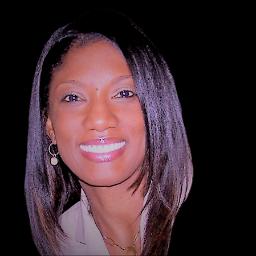
Karina Flores
LCSW
Licensed Clinical Social Worker - Stress and Relationships
- Stress, Anxiety
- Relationship
- Self esteem
A directory of US therapists who hold an LCSW license
In crisis? Call or text 988LCSW license holders
2,874 clinical social workers list isolation / loneliness among the topics they work with. All offer sessions online, and every profile shows each state license and the NPI.
This page lists licensed clinical social workers who focus on helping people dealing with isolation and loneliness. Browse the profiles below to review each therapist's focus areas, approaches, languages, and experience.
LCSW
Licensed Clinical Social Worker - Stress and Relationships
LCSW
Licensed Clinical Social Worker - mood and relationship support
LCSW
Licensed Clinical Social Worker - Stress and Relationships
LCSW, CSW
Licensed Clinical Social Worker - Stress and Trauma
LCSW
Licensed Clinical Social Worker - Trauma and Grief
LCSW
Licensed clinical social worker - Stress and addictions
LISW-CP, LCSW
Licensed clinical social worker - stress and trauma
LCSW
Licensed Clinical Social Worker - relationships and LGBT issues
LCSW
Licensed Clinical Social Worker - Anxiety and Trauma
LCSW
Licensed Clinical Social Worker - Stress and Trauma
LCSW
Licensed Clinical Social Worker - Trauma and Life Changes
LCSW-C, LCSW
Licensed Clinical Social Worker - relationships and mood
LCSW
Licensed Clinical Social Worker - anxiety and relationships
LCSW
Licensed Clinical Social Worker - Mood and life transitions
LCSW
Licensed clinical social worker - Stress and ADHD
LCSW
Licensed Clinical Social Worker - Stress and Identity
LCSW
Licensed Clinical Social Worker - Stress and Relationships
LCSW
Licensed Clinical Social Worker - Mood and relationships
LCSW-R, LCSW
Licensed Clinical Social Worker - Family and Trauma
LCSW
Licensed Clinical Social Worker - Trauma and Family Concerns
LCSW
Licensed Clinical Social Worker - Trauma and relationships
LCSW
Licensed Clinical Social Worker - Stress and Trauma
LCSW
Licensed Clinical Social Worker - Stress and Trauma
LCSW
Licensed Clinical Social Worker - Trauma and Addictions
LCSW
Licensed Clinical Social Worker - Stress and Anxiety
LCSW
Licensed Clinical Social Worker - Stress and Trauma
LCSW
Licensed Clinical Social Worker - mood and stress
LCSW
Licensed Clinical Social Worker - Stress and Trauma
LCSW
Licensed clinical social worker - trauma and addiction
LCSW, LPCC
Licensed Clinical Social Worker - Stress and Parenting
LCSW
Licensed Clinical Social Worker - mood and relationships
LCSW
Licensed Clinical Social Worker - Stress and Relationships
LCSW
Licensed clinical social worker - stress and career support
LCSW
Licensed Clinical Social Worker - Depression and Anxiety
LCSW
Licensed Clinical Social Worker - Stress and Trauma
LCSW, CSW
Licensed Clinical Social Worker - Stress and Addictions
LCSW, LISW-CP
Licensed Clinical Social Worker - Stress and Grief
LCSW
Licensed Clinical Social Worker - Relationships and Addictions
LCSW
Licensed Clinical Social Worker - relationships and life changes
LCSW
Licensed clinical social worker - mood and life changes
LCSW
Licensed Clinical Social Worker - Stress and Anxiety
LCSW
Licensed clinical social worker - relationships and trauma
LCSW
Licensed Clinical Social Worker - Stress and Trauma
Some links on this page are partner links. We will earn a commission if you sign up through one, at no cost to you. It does not change what you pay or the order of the listings.
Loneliness and isolation are related but distinct experiences. Loneliness is a subjective feeling - a sense that your social connections are not meeting your emotional needs. Isolation refers to the objective lack of contact or social interaction. You can feel lonely in a crowd or be isolated without feeling distressed. Both experiences can shape mood, motivation, sleep, appetite, and interest in everyday activities. When persistent, they tend to affect how you see yourself and how you navigate relationships.
Licensed clinical social workers bring a person-in-environment perspective. That means they look beyond internal feelings to examine the conditions around you - housing, employment, caregiving responsibilities, community access, transportation, and broader social networks. Those circumstances can help explain why loneliness began or why it is ongoing. Addressing environmental factors alongside emotional experience often opens practical pathways for change that purely internal-focused work might miss.
You might notice persistent sadness, a sense of emptiness, or increased anxiety about social interactions. You may withdraw more than you want to, cancel plans, or avoid reaching out because you expect rejection. Some people experience heightened irritability, a loss of interest in activities they used to enjoy, or difficulty concentrating. These are signals that the experience of loneliness is affecting daily functioning and could benefit from focused support.
If your work, schooling, caregiving, or housing situation makes it hard to connect with others, an LCSW can help you understand how those factors are contributing. You may find that you have smaller networks than you need, limited access to community resources, or gaps in practical supports that increase isolation. When loneliness is accompanied by changes in sleep, appetite, or energy that interfere with your responsibilities, it is reasonable to explore help with a licensed clinical social worker who understands both emotional and environmental contributors.
Early sessions typically focus on learning about your story - how loneliness developed, what relationships and routines you have, and what barriers you face. An LCSW will often ask about your living situation, work or school life, caregiving roles, and access to community supports because those areas matter when addressing isolation. You can expect a blend of listening and practical questions intended to build a clear picture of your circumstances and goals.
Therapy with an LCSW often combines emotional work with concrete planning. You and the therapist might identify short-term goals such as rebuilding a daily routine, practicing a specific social skill, or connecting with an interest-based group. You may also explore longer-term aims like creating a sustainable network of relationships or resolving conflicts that make social engagement difficult. Because LCSWs are trained to consider systems, they may help you connect with community resources, support groups, or social programs that complement clinical work.
Therapists who hold an LCSW may list a variety of approaches on their profiles. Cognitive-behavioral strategies focus on identifying and shifting thoughts and behaviors that maintain withdrawal. Interpersonal work explores patterns in relationships and helps you build or repair social connections. Behavioral activation centers on reintroducing meaningful activities to increase opportunities for contact and positive experiences.
Some LCSWs emphasize social skills training, assertiveness practice, or role-play to support confidence in interactions. Mindfulness-based practices can help you tolerate uncomfortable feelings that arise when reaching out. Group-based interventions can provide a structured, lower-stakes setting to practice social engagement and receive feedback. You may also encounter solution-focused conversations that target immediate, achievable changes. Profiles often note these approaches without indicating the depth of training, so look at how each therapist describes their focus rather than assuming specific credentials for a method.
Online sessions can increase access to licensed clinical social workers when geographic or mobility issues limit in-person options. For loneliness, virtual work can be a practical first step - offering a way to practice conversational skills, receive emotional support, and coordinate referrals to local resources. Many LCSWs use video, phone, or messaging to maintain ongoing contact and to tailor an approach that fits your routine. Keep in mind that laws and licensing rules vary by state, so a therapist's scope of practice and permitted services are set by the state board that issued the license.
When deciding which LCSW to explore further, focus on details that matter to your situation. Look at the therapist's stated focus areas, the approaches they list, the languages they speak, and their experience with populations or life circumstances similar to yours. Consider whether you want someone who emphasizes practical problem solving, interpersonal exploration, group work, or a combination. Reviews and ratings are not provided here, so rely on profile descriptions to assess fit. Also consider logistics such as whether you prefer in-person or virtual sessions and whether the therapist lists experience with the particular stressors you face - caregiving, relocation, chronic illness, or work-related isolation, for example.
Before you reach out, think about what you hope to change and what has already helped or hindered connections in the past. Prepare to describe your current routine, the relationships that matter, and any practical barriers you face. This will help an LCSW tailor recommendations that reflect both emotional and environmental factors. Remember that choosing a therapist is a personal process - you may prioritize different qualities at different times, and a profile provides a starting point for conversation and exploration.
Licensed clinical social workers combine clinical training with attention to the life contexts that shape loneliness and isolation. If you want an approach that considers both feelings and circumstances, review the profiles below to find LCSWs who list the focus areas and approaches that fit your needs.