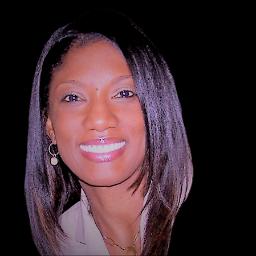
Kellie Cousino
LCSW, LISW-CP
Licensed Clinical Social Worker - stress and addiction
- Stress, Anxiety
- Addictions
- Trauma and abuse
A directory of US therapists who hold an LCSW license
In crisis? Call or text 988LCSW license holders
1,799 clinical social workers list young adult issues among the topics they work with. All offer sessions online, and every profile shows each state license and the NPI.
Browse profiles of licensed clinical social workers who list young adult issues as a focus. These LCSWs address transitions, relationships, career decisions, and emotional challenges you may face in your late teens and twenties. Use the listings below to review credentials, approaches, languages, and areas of experience.
LCSW, LISW-CP
Licensed Clinical Social Worker - stress and addiction
LCSW
Licensed Clinical Social Worker - Relationships and Stress
LCSW
Licensed Clinical Social Worker - Stress and Relationships
LCSW
Licensed Clinical Social Worker - mood and relationship support
LCSW
Licensed Clinical Social Worker - Stress and Relationships
LCSW, CSW
Licensed Clinical Social Worker - Stress and Trauma
LCSW
Licensed Clinical Social Worker - Anxiety and Trauma
LCSW
Licensed Clinical Social Worker - Stress and Trauma
LCSW
Licensed Clinical Social Worker - Trauma and Life Changes
LCSW-C, LCSW
Licensed Clinical Social Worker - relationships and mood
LCSW
Licensed Clinical Social Worker - trauma and anxiety
LCSW
Licensed Clinical Social Worker - anxiety and relationships
LCSW
Licensed Clinical Social Worker - Stress and Identity
LCSW
Licensed Clinical Social Worker - Relationships and Trauma
LCSW
Licensed Clinical Social Worker - Relationships and Trauma
LCSW
Licensed Clinical Social Worker - Stress and Relationships
LCSW
Licensed Clinical Social Worker - Mood and relationships
LCSW
Licensed Clinical Social Worker - Trauma and Family Concerns
LCSW
Licensed Clinical Social Worker - Stress and Relationships
LCSW
Licensed Clinical Social Worker - Stress and Trauma
LCSW
Licensed Clinical Social Worker - Stress and Relationships
LCSW, LPCC
Licensed Clinical Social Worker - Stress and Parenting
LCSW
Licensed Clinical Social Worker - Stress and Relationships
LCSW
Licensed clinical social worker - stress and career support
LCSW
Licensed Clinical Social Worker - Depression and Anxiety
LCSW
Licensed Clinical Social Worker - Stress and Trauma
LCSW
Licensed Clinical Social Worker - trauma and mood concerns
LCSW
Licensed Clinical Social Worker - Relationships and Addictions
LCSW
Licensed Clinical Social Worker - relationships and life changes
LCSW
Licensed Clinical Social Worker - stress and trauma
LCSW
Licensed clinical social worker - relationships and trauma
LCSW
Licensed clinical social worker - mood and relationships
LCSW
Licensed Clinical Social Worker - Stress and Relationships
LCSW
Licensed Clinical Social Worker - LGBT and Trauma
LCSW
Licensed Clinical Social Worker - Anxiety and Trauma
LCSW
Licensed Clinical Social Worker - Family and Parenting
LCSW
Licensed Clinical Social Worker - Mood and Trauma
LCSW, LISW-CP
Licensed Clinical Social Worker - Stress and Trauma
LCSW
Licensed Clinical Social Worker - Relationship and Stress
LCSW, LPC
Licensed Clinical Social Worker - Stress and Family Issues
LCSW
Licensed Clinical Social Worker - relationships and life changes
LCSW, CSW
Licensed Clinical Social Worker - mood and trauma
LCSW
Licensed clinical social worker - relationships and parenting
LCSW
Licensed Clinical Social Worker - Mood and relationships
Some links on this page are partner links. We will earn a commission if you sign up through one, at no cost to you. It does not change what you pay or the order of the listings.
Young adult issues cover the range of challenges that often emerge between the late teens and early thirties - the period when many people leave school, start careers, change relationships, and build an independent life. You may encounter decisions about education, work, housing, friendships, intimate relationships, family expectations, and identity. These events can trigger anxiety, low mood, difficulty with decision-making, or a sense of being stuck. They also occur alongside financial pressures, changing social networks, and shifting cultural expectations, all of which shape how you feel and behave.
Choosing a therapist who holds an LCSW means working with someone whose social work training emphasizes a person-in-environment perspective. An LCSW brings education and clinical licensure that typically includes a master’s degree in social work, a state-set period of supervised post-graduate clinical experience - commonly around two to three years and several thousand hours - and passage of a state clinical licensing examination. The license is issued and renewed by an individual state board, so scope and title can vary by state. This background can be especially useful when your concerns are tied to material or systemic circumstances - for example, housing, employment, family dynamics, or access to services - because LCSWs routinely consider those external factors alongside emotions and behavior.
It can be hard to decide when to look for help. You might be wondering whether what you’re experiencing is part of normal transition stress or a sign that professional support could help. Consider seeking an LCSW if distress interferes with your daily functioning in ways that matter to you - for example, persistent trouble sleeping, difficulty keeping a job or completing school, repeated conflict in relationships, or a decline in motivation and enjoyment of activities you used to like. You may also notice that worries or sadness are more intense than friends describe, that you’re coping through risky behaviors, or that problems continue despite your best efforts to manage them on your own.
Because LCSWs look broadly at a person’s context, you may find it helpful to consult one if external barriers are part of the challenge. If you are managing financial strain, housing instability, immigration-related paperwork, or caregiving responsibilities, an LCSW can help address those practical pressures alongside emotional and behavioral concerns. You do not need to have a diagnosis to meet with an LCSW; many people reach out simply because they want clearer goals, better coping skills, or guidance during a major life transition.
Initial sessions often begin with an assessment of your current situation, history, and goals. You can expect the therapist to ask about relationships, work or school, family background, mood, sleep, substance use, and any stressors related to your living situation or finances. If you meet an LCSW, they will likely explore both your internal experience and external circumstances - what’s happening inside you and what is happening around you - so they can form a clearer picture of what supports or changes might help.
Therapy tends to be collaborative. You and the therapist will work together to identify priorities, set short- and longer-term goals, and experiment with strategies that may help you navigate transitions. Some people focus on learning practical coping skills, such as managing anxiety around job interviews or building routines to improve sleep and concentration. Others explore identity questions, attachment patterns, or family dynamics that influence present-day choices. The pace and focus depend on your preferences; some people want action-oriented steps, while others prefer deeper exploration of patterns and emotions. Sessions may also include referrals to community resources, assistance with accessing benefits, or coordination with other professionals when your life circumstances require it.
Therapists who hold an LCSW often describe a range of clinical approaches on their profiles. You may see cognitive behavioral approaches listed, which generally focus on identifying thought patterns and behaviors that maintain distress and testing new ways of responding. Some LCSWs emphasize relational or psychodynamic ideas, exploring how past relationships influence present choices. Others highlight family systems perspectives that consider how family roles and expectations shape decision-making during the transition to adulthood. Solution-focused and strengths-based orientations are common in social work, offering practical goal-setting and strategies to build on what’s already working in your life.
It is important to remember that a listed approach on a profile does not guarantee a standardized program. When you read profiles, look for language that describes how a therapist frames their work - whether they emphasize skills-building, narrative exploration, or systems-level advocacy - and think about what matches your current needs. If you have concerns related to trauma, you may find therapists who list trauma-informed language among their approaches. If your challenges are tied to substance use, work stress, or college adjustment, seek descriptions that mention experience in those areas. Therapists often combine perspectives to fit individual clients, so look for profiles that explain both what they focus on and how they support change.
Online sessions has become a common way to meet with an LCSW, especially if your schedule or geography limits in-person options. You can expect video or phone meetings that follow the same clinical structure as in-person sessions - intake, assessment, goal-setting, and ongoing work - while offering the convenience of meeting from home, a campus, or another place where you feel comfortable. Therapists who hold an LCSW will note whether they conduct remote sessions and may list the states in which they are licensed to practice. Because licensure is state-based, make sure the clinician’s listed state licensing aligns with where you are located if you plan to meet remotely. Online work can be especially helpful if you need flexibility around work or school hours, or if local in-person options are limited.
When selecting among therapists who hold an LCSW, focus on fit. Think about the specific issues you want to address - for example, identity exploration, relationship patterns, career transitions, or anxiety - and look for therapists who list those focus areas in their profiles. Review their stated approaches and preferences, keeping in mind the phrasing you see on profiles such as "therapists who list CBT among their approaches" or "therapists who describe a strengths-based approach." Consider practical factors that affect fit, including languages spoken, years of experience in relevant areas, and whether they work remotely in the state where you are located. It can be helpful to prioritize what matters most to you - such as someone who has experience with college adjustment or who understands the challenges of early career change - and narrow your search accordingly.
Also consider logistics and comfort. Think about whether you prefer occasional coaching-style sessions or a deeper ongoing process, whether meeting by video feels manageable, and whether the clinician’s written description resonates with you. Many people find that reading several profiles and noting a few therapists whose descriptions align with their needs helps clarify what matters. When comparing profiles, focus on credentials, described focus areas, approaches, languages, and relevant experience rather than operational details that can change frequently. This approach will help you identify an LCSW whose background and perspective match the support you want for navigating young adulthood.
Young adulthood brings a mix of opportunity and challenge. Working with a licensed clinical social worker can connect you to support that looks beyond symptoms to the life circumstances that shape them - and to practical steps that help you move forward. Use the listings on this page to learn more about each therapist’s credentials, approaches, and areas of experience to find someone who aligns with your goals.