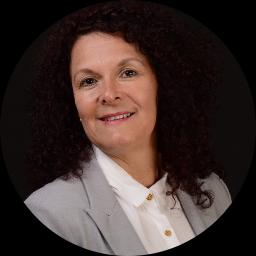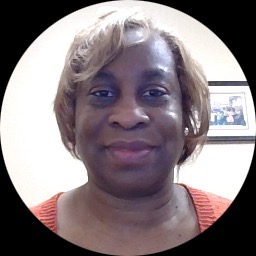
Denise Greenwood
LCSW
Licensed Clinical Social Worker - life transitions
- Stress, Anxiety
- Grief
- Self esteem
A directory of US therapists who hold an LCSW license
In crisis? Call or text 988LCSW license holders
2,415 clinical social workers list women's issues among the topics they work with. All offer sessions online, and every profile shows each state license and the NPI.
This directory page lists licensed clinical social workers (LCSWs) who identify women's issues among their focus areas. Browse the listings below to review each clinician's focus areas, approaches, languages, and experience.
LCSW
Licensed Clinical Social Worker - life transitions
LCSW
Licensed Clinical Social Worker - Stress and Grief
LCSW
Licensed Clinical Social Worker - Relationships and Stress
LCSW
Licensed Clinical Social Worker - Relationships and Stress
LCSW
Licensed Clinical Social Worker - Stress and Relationships
LCSW
Licensed Clinical Social Worker - mood and relationship support
LCSW, CSW
Licensed Clinical Social Worker - Stress and Trauma
LISW-CP, LCSW
Licensed clinical social worker - stress and trauma
LCSW
Licensed Clinical Social Worker - Stress and Trauma
LCSW
Licensed Clinical Social Worker - Trauma and Life Changes
LCSW-C, LCSW
Licensed Clinical Social Worker - relationships and mood
LCSW
Licensed Clinical Social Worker - Stress and Anxiety
LCSW
Licensed Clinical Social Worker - trauma and anxiety
LCSW
Licensed Clinical Social Worker - anxiety and relationships
LCSW, CSW
Licensed Clinical Social Worker - stress and relationships
LCSW
Licensed Clinical Social Worker - Mood and life transitions
LCSW
Licensed Clinical Social Worker - Stress and Identity
LCSW
Licensed Clinical Social Worker - Relationships and Trauma
LCSW
Licensed Clinical Social Worker - Relationships and Trauma
LCSW
Licensed Clinical Social Worker - Stress and Relationships
LCSW-R, LCSW
Licensed Clinical Social Worker - Family and Trauma
LCSW
Licensed Clinical Social Worker - Trauma and Family Concerns
LCSW
Licensed Clinical Social Worker - Trauma and relationships
LCSW
Licensed Clinical Social Worker - Stress and Trauma
LCSW
Licensed Clinical Social Worker - Stress and Trauma
LCSW
Licensed Clinical Social Worker - Trauma and Addictions
LCSW
Licensed Clinical Social Worker - Stress and Relationships
LCSW, LPCC
Licensed Clinical Social Worker - Stress and Parenting
LCSW
Licensed Clinical Social Worker - Grief and life change
LCSW
Licensed Clinical Social Worker - Stress and Relationships
LCSW
Licensed Clinical Social Worker - Anxiety and Executive Functioning
LCSW
Licensed clinical social worker - stress and career support
LCSW
Licensed Clinical Social Worker - Depression and Anxiety
LCSW
Licensed Clinical Social Worker - Stress and Trauma
LCSW
Licensed clinical social worker - mood and life changes
LCSW
Licensed Clinical Social Worker - Stress and Anxiety
LCSW
Licensed clinical social worker - relationships and trauma
LCSW
Licensed Clinical Social Worker - Stress and Trauma
LCSW
Licensed Clinical Social Worker - stress and mood concerns
LCSW
Licensed Clinical Social Worker - Stress and Relationships
LCSW
Licensed Clinical Social Worker - LGBT and Trauma
LCSW
Licensed Clinical Social Worker - Anxiety and Trauma
LCSW
Licensed Clinical Social Worker - Family and Parenting
LCSW
Licensed Clinical Social Worker - Mood and Stress
LMSW, LCSW, CSW
Licensed clinical social worker - relationships and coping
LCSW
Licensed Clinical Social Worker - Mood and Trauma
Some links on this page are partner links. We will earn a commission if you sign up through one, at no cost to you. It does not change what you pay or the order of the listings.
Women's issues is an umbrella term that describes concerns many people assigned female at birth and some people who identify as women face at different life stages and in different contexts. It can include reproductive and menstrual health, pregnancy and postpartum adjustments, fertility challenges, menopause, caregiving stress, relationship and family dynamics, sexual health and intimacy, experiences of discrimination or gender-based violence, body image, and identity concerns. Because social, economic, and cultural forces shape these experiences, the impact is often felt across emotions, relationships, work, and daily functioning.
When you look for someone who holds an LCSW you are choosing a clinician whose training emphasizes a person-in-environment perspective. That means they consider your inner experience alongside practical factors such as housing, finances, employment, family responsibilities, access to medical care, and community supports. This orientation can help you address both emotional symptoms and the external circumstances that contribute to them, with an eye toward sustainable, real-world solutions.
Licensed clinical social workers hold a master’s degree in social work, complete a state-set period of supervised post-graduate clinical experience, and pass a clinical licensing examination. Licensing requirements and scope of practice vary by state because each state board issues and renews the credential. Knowing this background can help you understand what an LCSW brings to work on women's issues.
You might consider seeking support if emotional or practical challenges related to womanhood are interfering with day-to-day life. That can look like persistent low mood, anxiety around reproductive choices or fertility treatments, overwhelming stress after childbirth, difficulty bonding with a child, sudden changes in sleep or appetite, or trouble concentrating at work. Relationship strain tied to sexual health or body-image changes can be another sign, as can repeated conflicts about caregiving roles or decisions about aging parents.
Sometimes the signs are less about clinical symptoms and more about a sense of being stuck - feeling isolated because your experience does not match cultural expectations, feeling unheard by medical providers, or facing workplace discrimination that affects your well-being. You may also seek help after experiences of harassment or violence, when you want support processing what happened and making decisions about safety and next steps. In such situations a licensed clinical social worker can help you sort emotions, clarify goals, and identify resources in your community.
If you are wondering whether to reach out, think about how long problems have persisted, whether they interfere with relationships or work, and whether you have tried other supports without relief. A first conversation with an LCSW can clarify whether working together might address the concerns you brought and what form that work would take.
When you begin sessions with a licensed clinical social worker, you can expect an initial conversation that gathers information about your current concerns, history, relationships, health, and the practical aspects of your life that connect to those concerns. Because LCSWs emphasize the interaction between person and environment, your clinician will likely ask about housing, work, family responsibilities, access to medical care, and other systems that shape daily life. This broad view helps identify supports and barriers you may not have considered.
Therapy typically unfolds as a collaborative process. You and the clinician will discuss goals, prioritize what matters most to you, and review options for addressing those goals. Sessions may include emotional processing, skill-building for stress management or communication, problem-solving around concrete challenges, and help connecting with community resources or medical providers. If coordination with other professionals is useful, an LCSW can discuss how information might be shared and what permissions are needed. They will also explain legal limits on information sharing that apply in their state so you understand how your information is handled.
Session length and frequency vary depending on your needs and the clinician’s practice. Some people find short-term work focused on a particular transition is most helpful, while others prefer ongoing support for complex, long-standing concerns. Throughout, the emphasis is usually on practical, person-centered steps that reflect your values and circumstances.
The directory lists the approaches each clinician reports using; this does not certify training in a specific modality. That said, you will find licensed clinical social workers who list cognitive-behavioral strategies, interpersonal approaches, trauma-informed perspectives, psychodynamic ideas, mindfulness-based practices, and strengths-based or empowerment-oriented work among their approaches. Therapists who list trauma-focused methods often prioritize safety and pacing when addressing past harms, while those who list interpersonal approaches may focus on relationships, role changes, and communication patterns that affect your daily life.
Because LCSWs consider environmental factors, many combine talk-based work with practical problem-solving. That might include connecting you to community resources, helping navigate healthcare or social services systems, or assisting with paperwork and advocacy strategies when systemic barriers impact your well-being. If you are balancing caregiving, work, and medical appointments, a clinician with a person-in-environment orientation can help you develop realistic plans that align with both emotional needs and practical requirements.
When you read profiles on this site, pay attention to the focus areas, languages spoken, and the approaches each clinician lists. Those details help you form an expectation about the kinds of conversations and supports you might find valuable.
Online sessions expand access to clinicians who specialize in women's issues by reducing travel time and allowing you to meet from your home, workplace, or another location that suits you. Sessions may take place by video or phone, and clinicians will typically discuss how to set up a space that supports focused conversation. For people managing childcare, medical recovery, or work commitments, meeting remotely can remove a practical barrier to consistent care.
When you plan for online meetings, think about a spot that gives you privacy and minimal interruptions. If technical problems occur, clinicians generally have a backup plan such as switching to a phone call. It is also useful to clarify how the clinician handles emergencies or situations that require immediate attention, since they will explain boundaries and the steps to take if a crisis arises during remote work.
Start by reflecting on what matters most to you - whether that is experience with perinatal concerns, work with survivors of gender-based violence, support through menopause, help with caregiver stress, or culturally informed practice. Use the directory to look for clinicians who list those focus areas and the languages or populations you prefer. Notice the approaches they report using to get a sense of their orientation, keeping in mind that listing an approach is not the same as a certification in it.
Consider practical factors such as whether you prefer in-person or online sessions, the clinician's state license (since scope varies by state), and whether they mention experience with your particular life stage or cultural context. It can also help to read clinician bios for clues about their experience and values. Your comfort with a clinician's style is an important part of a good fit, and it is normal to try conversations with a few different professionals to find one whose approach and communication feel right for you.
Finally, think about logistics beyond the session itself. If community resources, legal advocacy, or coordination with medical providers are important, look for clinicians who describe experience with system navigation or community-based supports. Comparing focus areas, listed approaches, credentials, languages, and experience is a practical way to narrow options and choose someone whose profile aligns with your needs.
Deciding to seek help for women's issues is a personal step that can open space for healing, problem-solving, and clearer decision-making. Whether you are navigating a specific life transition or facing ongoing stressors that touch many parts of your life, a licensed clinical social worker can combine clinical care with attention to the social and practical forces that shape your experience. Use the listings below to explore clinicians who describe the focus and background that matter to you.