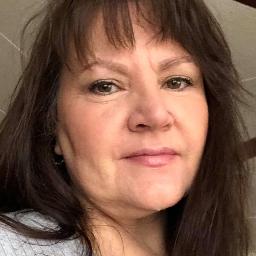
Shirley Butler, LCSW
Licensed in Montana 23 years in practice Sessions online
Licensed Clinical Social Worker - trauma and anxiety
Surnames under B in the A-Z of everyone listed
License on record
LCSW- LCSW, Montana
- BBH-LCSW-LIC-815
- NPI
- 1619151669 national provider identifier
- Years in practice
- 23
- Languages
- English
As listed on the therapist's public professional profile. Check any license with the state board and the NPI with the national registry.
About Shirley
Licensed Clinical Social Worker in Montana with 23 years of experience, Shirley Butler focuses on stress, anxiety, trauma and abuse, self esteem, depression, coping with life changes, relationship and family concerns, grief, parenting, anger, career, and bipolar issues. She also notes attention to abandonment, codependency, commitment issues, communication problems, forgiveness, post-traumatic stress, self-love, and women’s issues.
Shirley works with clients using several clinical approaches she lists and accepts international clients in English.
Background and approach
Shirley built her practice after a long career in community mental health and Tribal Behavioral Health. She completed a Bachelor in Human Services Rehabilitation at Salish Kootenai College and earned a Master of Social Work from Walla Walla University in Missoula. Before earning her clinical license she completed three thousand supervised clinical hours.
Since 2013 she has run a independent practice serving people from a range of cultural backgrounds. Her clinical work has included crisis on-call rotations and office-based care. She uses methods such as Attachment-Based Therapy, Client-Centered Therapy, Cognitive Behavioral Therapy (CBT), Dialectical Behavior Therapy (DBT), and Emotionally-Focused Therapy (EFT).
She also lists Eye Movement Desensitization and Reprocessing (EMDR) as part of her work with post-traumatic stress. Shirley emphasizes building rapport and a collaborative treatment plan. She prefers to begin by listening to a person’s story and identifying which areas they want to examine.
Sessions are then organized around agreed goals and steps for progress. The approach in sessions tends to be practical and client-focused. Conversations are used to recognize patterns, practice new behaviors, and try coping strategies.
Shirley draws on her decades of experience across different settings to adapt what she offers to each person’s needs.
Focus areas and approaches
Everything Shirley lists on their public professional profile, in their own terms.
- Stress, Anxiety
- Trauma and abuse
- Self esteem
- Depression
- Coping with life changes
- Relationship issues
- Family conflicts
- Grief
- Parenting issues
- Anger management
- Career difficulties
- Bipolar disorder
- Abandonment
- Codependency
- Commitment issues
- Communication problems
- Forgiveness
- Post-traumatic stress
- Self-love
- Women's issues
Approaches Shirley names
- Attachment-Based Therapy
- Client-Centered Therapy
- Cognitive Behavioral Therapy (CBT)
- Dialectical Behavior Therapy (DBT)
- Emotionally-Focused Therapy (EFT)
- Eye Movement Desensitization and Reprocessing (EMDR)
- Mindfulness Therapy
- Motivational Interviewing
- Solution-Focused Therapy
- Trauma-Focused Therapy
Naming an approach is not evidence of training in it. This directory copies what each therapist lists and does not check training records.
How Shirley’s approaches translate to remote work
Attachment-Based Therapy focuses on how past and current relationships affect feelings and behavior. It helps people understand patterning in relationships and practice different ways of relating. Client-Centered Therapy centers on the person’s own goals and perspective, with the therapist following the client’s lead to explore concerns and choices.Cognitive Behavioral Therapy (CBT) looks at links between thoughts, feelings, and actions. It usually involves identifying unhelpful thought patterns and trying new behaviors or coping skills to reduce symptoms like anxiety or depression. These approaches are commonly used together to address trauma, mood, and relationship difficulties.
Finding the right approach is part of the process. Shirley will work with each person to decide which methods fit best based on their needs, goals, and preferences. That decision is made collaboratively and can change over time as progress is reviewed.
The original biography does not list specific session formats here, so confirm current options before booking. Online formats can make it easier to fit sessions into a workday, reduce travel time, and allow shorter check-ins when needed. Licensed professionals often adapt exercises, skill practice, and conversation to work in remote sessions so clients can apply strategies in daily life.
We will earn a commission if you sign up through our link, at no cost to you. It does not change what you pay or the order of the listings.
Questions about Shirley
What concerns does she address most often?
She works with stress, anxiety, trauma and abuse, depression, self esteem, grief, parenting, relationship and family issues, anger, career concerns, bipolar disorder, and related topics such as abandonment and codependency.
What is her therapeutic style?
She emphasizes listening to a person’s story and building rapport. Treatment plans are developed collaboratively and include practical strategies from several listed approaches.
How much clinical experience does she have?
She has 23 years of experience in the mental health field, including work in community mental health and Tribal Behavioral Health, plus independent practice since 2013.
What credentials and location are listed?
She holds the LCSW credential and practices in Montana.
In what language are sessions offered and are international clients supported?
Sessions are offered in English and she accepts international clients.
What session formats are available?
The original biography does not specify session formats. Confirm current session options before booking to see which formats are offered.
How is cost handled?
Cost varies with location. Sessions use a subscription model that can be canceled at any time.
How do I get started scheduling a session?
Use the See online therapy options button, complete the short matching questionnaire, and schedule a first session.
Before you start. This directory copies what each therapist lists and does not check licenses, training or availability. Confirm the license with the state board for the state you will be in during sessions.
If you are in crisis, call or text 988. In immediate danger, call 911.
Others licensed in Montana
See all in Montana
Sierra Slay
LCSW
Licensed Clinical Social Worker - Stress and Relationships
- Stress, Anxiety
- Relationship
- Self esteem

Heather Hundtoft
LCSW
Licensed Clinical Social Worker - stress and addictions
- Stress, Anxiety
- Addictions
- Family

Heidi Walter
LCSW
Licensed Clinical Social Worker - trauma and mood concerns
- Stress, Anxiety
- Family
- Trauma and abuse

Erica Tribble
LCSW
Licensed Clinical Social Worker - stress and trauma help
- Stress, Anxiety
- Relationship
- Trauma and abuse
Is this your profile?
Ask us to correct a detail or take the page down.
Contact us