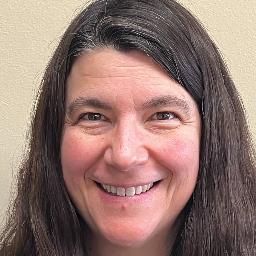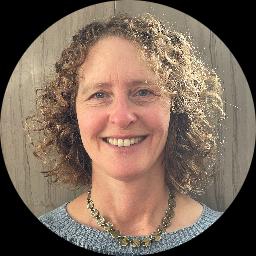
Sierra Slay
LCSW
Licensed Clinical Social Worker - Stress and Relationships
- Stress, Anxiety
- Relationship
- Self esteem
A directory of US therapists who hold an LCSW license
In crisis? Call or text 988LCSW license holders
47 clinical social workers in this directory are licensed in Montana. Sessions are online, but a license covers one state, so check the license card on each profile if you will be somewhere else during sessions.
Welcome to our Montana directory of licensed clinical social workers offering online sessions. All therapists listed hold an LCSW license - explore profiles to compare credentials, focus areas, languages, and experience.
LCSW
Licensed Clinical Social Worker - Stress and Relationships
LCSW
Licensed Clinical Social Worker - stress and addictions
LCSW
Licensed Clinical Social Worker - trauma and mood concerns
LCSW
Licensed Clinical Social Worker - stress and trauma help
LCSW
Licensed Clinical Social Worker - relationships and trauma
LCSW
Licensed Clinical Social Worker - mood and stress
LCSW, LCPC
Licensed Clinical Social Worker - Stress and Trauma
LCSW
Licensed Clinical Social Worker - Stress and career support
LCSW
Licensed Clinical Social Worker - stress and relationships
LCSW
Licensed Clinical Social Worker - Stress and Anxiety
LCSW
Licensed clinical social worker - stress and career support
LCSW
Licensed Clinical Social Worker - trauma and anxiety
LICSW, LCSW
Licensed Clinical Social Worker - trauma and behavior change
LCSW
Licensed Clinical Social Worker - mood and relationships
LCSW
Licensed Clinical Social Worker - Stress and Mood Concerns
LCSW
Licensed Clinical Social Worker - mood and relationship care
LCSW
Licensed clinical social worker - stress and addiction
LCSW
Licensed clinical social worker - relationships and trauma
LCSW
Licensed Clinical Social Worker - Anxiety and Trauma
LCSW
Licensed Clinical Social Worker - broad clinical support
LCSW
Licensed Clinical Social Worker - grief and life change
LCSW
Licensed Clinical Social Worker - Stress and Addiction
LCSW
Licensed Clinical Social Worker - stress and trauma work
LCSW
Licensed Clinical Social Worker - Stress and Relationships
LCSW
Licensed clinical social worker - mood and relationships
LCSW
Licensed Clinical Social Worker - Stress and Trauma
LICSW, LCSW
Licensed Clinical Social Worker - Stress and Relationships
LCSW
Licensed Clinical Social Worker - family and parenting
LCSW
Licensed Clinical Social Worker - stress and relationship care
LCSW
Licensed Clinical Social Worker - Mental health and grief
LCSW
Licensed Clinical Social Worker - Trauma and Relationships
LCSW
Licensed Clinical Social Worker - Stress and Trauma
LCSW
Licensed Clinical Social Worker - Stress and Addictions
LCSW
Licensed Clinical Social Worker - Stress and Trauma
LCSW
Licensed Clinical Social Worker - Stress and Trauma
LCSW
Licensed Clinical Social Worker - Stress and Trauma
LCSW
Licensed Clinical Social Worker - Stress and Life Changes
LCSW
Licensed Clinical Social Worker - Stress and Anxiety
LCSW
Licensed Clinical Social Worker - Anxiety and Grief
LCSW
Licensed Clinical Social Worker - Stress and Addictions
LCSW
Licensed Clinical Social Worker - Stress and Relationships
LCSW
Licensed Clinical Social Worker - Stress and Relationships
LCSW
Licensed Clinical Social Worker - trauma and mood concerns
LCSW
Licensed Clinical Social Worker - Anxiety and Trauma
LCSW
Licensed Clinical Social Worker - stress and trauma
Some links on this page are partner links. We will earn a commission if you sign up through one, at no cost to you. It does not change what you pay or the order of the listings.
If you live in Montana and are thinking about online sessions with a licensed clinical social worker, you are part of a state where distance and landscape shape how people access care. Licensed clinical social workers - LCSWs - have graduate training in social work, completed a state-set period of supervised post-graduate clinical experience, and passed a clinical licensing exam. Their license is issued and renewed by the state board and the scope of practice can vary by state. For people in Montana, online sessions can connect you with an LCSW whose license allows them to work with Montana residents remotely or whose practice is geared toward your circumstances.
The directory you are viewing lists professionals who hold the LCSW credential. Profiles typically include a short biography, areas of focus, languages spoken, and the kinds of issues each clinician commonly addresses. Because social work emphasizes a person-in-environment perspective, LCSWs tend to look at how housing, employment, family, finances, and community context intersect with a person’s internal experience. That orientation can be particularly relevant in Montana, where rural communities, seasonal industries, and geographic isolation shape everyday life.
Online sessions remove many of the geographic barriers that can make it hard to reach a therapist in person. If you live far from a city center or travel often for work, meeting by video or phone can make it feasible to keep a consistent schedule without long commutes. You can also access LCSWs who list particular languages or cultural experience that match your needs, even if those clinicians are based in another part of the state.
Another practical benefit is that online sessions allow you to work with someone who understands how your surroundings influence your wellbeing. Because social work training emphasizes the connections between individual experience and environment, an LCSW can help you navigate stressors tied to housing, community resources, employment, and family systems. You may find that this broader lens helps you address problems in ways that fit your daily life and local context. Online sessions also make it easier to coordinate care with other service providers or community programs when that coordination is helpful.
LCSWs commonly work with a wide range of concerns, and many of the professionals listed in this directory note several areas of focus on their profiles. People often contact LCSWs for help with anxiety, depression, relationship difficulties, grief, stress related to work or school, parenting challenges, and transitions such as moving, retirement, or changes in family structure. Because social workers consider social and environmental factors, they may also assist with issues related to housing instability, job loss, accessing community resources, and navigating systems such as schools, health care, or public assistance.
Some LCSWs list experience working with trauma, life-stage transitions, substance use concerns, or chronic illness. Profiles commonly indicate whether a clinician does individual, family, or couples work, and which languages they speak. Remember that the listing records that a clinician holds an LCSW and may note approaches or areas of interest; those notes are meant to help you evaluate fit, not to certify specific training credentials beyond the LCSW license itself.
When you review a profile, it is reasonable to confirm that a clinician holds an active LCSW license in Montana. Licensing information is public and maintained by the state licensing board. Start by locating the Montana Board of Social Work Examiners' license verification or license lookup tool on the state website. That resource typically allows you to search by name or license number to see whether the license is current, the license type, expiration date, and any public disciplinary history.
When you look at license records, note the exact name on file and the license status. The licensing board can also clarify which activities an LCSW is allowed to perform in Montana, since scope of practice and titles can differ between states. If a clinician lists additional credentials or graduate-level titles, the licensing lookup will usually show the state-authorized designation. Verifying a license is a straightforward step that helps you confirm that the clinician meets the state standards for clinical social work practice.
Starting online sessions with an LCSW is a practical process. Begin by reading profiles to learn about each clinician's education, years of practice, focus areas, and languages spoken. Pay attention to how they describe their work so you can identify professionals whose orientation and experience align with your needs. Since social work emphasizes person-in-environment, seek clinicians who note experience with the contexts that matter to you - for example, rural living, family caregiving, workplace stress, or community resource navigation.
Before your first session, prepare a few practical things. Decide what goals you want to address and jot down questions about the therapist's approach, session length, and fees. Check the technology you will use for video or phone sessions, and choose a quiet, undisturbed environment where you can talk openly. If you plan to use insurance, confirm whether the clinician lists insurance acceptance or offers a fee schedule on their profile. Taking these preparatory steps can make your initial conversations more efficient and focused.
Choosing a therapist is a personal decision that balances clinical fit with practical matters. Start by clarifying what you want to accomplish - short-term support for a specific issue, ongoing psychotherapy, or help managing life transitions. Then read profiles to compare focus areas, approaches listed, languages, and experience. Look for clinicians who mention populations or contexts similar to yours, such as work with teens, families, caregivers, or those experiencing major life changes.
Consider the interpersonal fit you anticipate. Many clinicians include a short biography that explains how they work with people and what they emphasize in sessions. If cultural background, gender identity, or shared life experience matters to you, prioritize those details in profiles. Practical concerns matter too - session length, fee range, and whether a clinician lists insurance acceptance can influence your choice. Remember that the LCSW credential ensures a level of graduate training and supervised clinical experience, and the rest of the profile is meant to help you decide who might be a good match for your needs and context.
Online sessions with an LCSW can expand your options for care in Montana by linking you with clinicians attuned to how environment and circumstance shape wellbeing. Use the directory to explore professional backgrounds, areas of focus, languages, and experience to find someone whose perspective and skills align with what you are looking for. Verifying a license through the state licensing board and preparing a few practical questions for a first conversation will help you move forward with clarity. When you prioritize both the credential and the fit, you increase the likelihood of finding an LCSW who can support the goals you bring to the work.