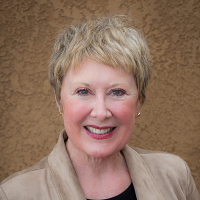
Jason Radosevich
LCSW
Licensed Clinical Social Worker - anxiety and relationships
- Stress, Anxiety
- Family
- Grief
A directory of US therapists who hold an LCSW license
In crisis? Call or text 988LCSW license holders
473 clinical social workers name Attachment-Based Therapy as a method they use. Naming a method is not proof of training in it, so ask how they use it.
Attachment-Based Therapy focuses on the patterns of connection and emotional bonds that shape how you relate to others across life. Below you can browse licensed clinical social workers (LCSWs) who list Attachment-Based Therapy among their approaches.
LCSW
Licensed Clinical Social Worker - anxiety and relationships
LCSW
Licensed Clinical Social Worker - Stress and Identity
LCSW, LPCC
Licensed Clinical Social Worker - Stress and Parenting
LCSW
Licensed Clinical Social Worker - Relationships and Addictions
LCSW
Licensed Clinical Social Worker - Stress and Relationships
LCSW, LISW-CP
Licensed Clinical Social Worker - Stress and Trauma
LCSW
Licensed Clinical Social Worker - Stress and Addictions
LCSW
Licensed Clinical Social Worker - stress and relationships
LCSW
Licensed social worker - stress and addiction
LCSW, LISW
Licensed Clinical Social Worker - Addictions and Trauma
LCSW
Licensed Clinical Social Worker - Relationships and Trauma
LCSW
Licensed Clinical Social Worker - Stress and Trauma
LCSW
Licensed Clinical Social Worker - stress and relationships
LCSW, LISW
Licensed Clinical Social Worker - Women's mental health
LCSW, CSW
Licensed Clinical Social Worker - Mood and trauma
LCSW
Licensed Clinical Social Worker - stress and mood concerns
LCSW
Licensed Clinical Social Worker - Relationships and Mood
LCSW
Licensed Clinical Social Worker - trauma and anxiety
LCSW
Licensed Clinical Social Worker - Trauma and Addiction
LCSW
Licensed Clinical Social Worker - Stress and Trauma
LCSW, LISW
Licensed Clinical Social Worker - Trauma and Mood Concerns
LCSW
Licensed clinical social worker - stress and trauma
LCSW
Licensed clinical social worker - mood and coping issues
LCSW, CSW
Licensed Clinical Social Worker - Stress and Trauma
LCSW
Licensed Clinical Social Worker - Stress and Addictions
LCSW
Licensed Clinical Social Worker - relationships and mood
LCSW
Licensed clinical social worker - mood and relationships
LCSW
Licensed Clinical Social Worker - Anxiety and Trauma
LCSW, CSW
Licensed Clinical Social Worker - Stress and Addictions
LCSW
Licensed Clinical Social Worker - stress and relationships
LCSW
Licensed Clinical Social Worker - relational and practical
LCSW
Licensed Clinical Social Worker - relationships and mood
LCSW, LISW-CP
Licensed Clinical Social Worker - Stress and Trauma
LCSW
Licensed Clinical Social Worker - Stress and Relationship Concerns
LCSW
Licensed Clinical Social Worker - Stress and Anxiety
LCSW
Licensed Clinical Social Worker - grief and relationships
LCSW
Licensed Clinical Social Worker - stress and family concerns
LCSW
Licensed Clinical Social Worker - Trauma and Relationships
LCSW
Licensed Clinical Social Worker - anxiety and mood
LCSW
Licensed Clinical Social Worker - Stress and Trauma
LCSW
Licensed Clinical Social Worker - relationships and family
LCSW
Licensed Clinical Social Worker - stress and trauma
LCSW
Licensed Clinical Social Worker - relationships and trauma
LCSW
Licensed Clinical Social Worker - stress and relationships
LCSW
Licensed clinical social worker - relationships and anxiety
LCSW
Licensed Clinical Social Worker - Stress and Grief
LCSW
Licensed Clinical Social Worker - trauma and relationships
Some links on this page are partner links. We will earn a commission if you sign up through one, at no cost to you. It does not change what you pay or the order of the listings.
Attachment-Based Therapy grows out of attachment theory, which examines how early relationships with caregivers shape expectations, emotional responses, and relationship patterns across your life. In practice, an attachment-informed clinician helps you explore those early relational patterns - sometimes called internal working models - and how they show up in your current relationships. The work often focuses on emotion regulation, safety in relationships, and reparative experiences that allow you to revise old expectations about closeness, availability, and trust.
The core principles center on the idea that relationships matter not only as sources of support but as the primary context where emotion and identity are formed. A therapist who uses attachment concepts will pay close attention to how you experience connection in-session, noticing patterns of withdrawal, hyperactivation of emotion, or anxious seeking of reassurance. The aim is not to label you but to help you understand recurring responses and to create corrective relational experiences that feel reliably different from past patterns. For many people this means developing more flexible ways of managing distress, expressing needs, and receiving care from others.
People seek attachment-focused approaches for a range of concerns where relationships and early bonding play a central role. This can include difficulties in intimate partnerships, repeated conflicts that feel stuck, patterns of emotional distance or clinging, and complex responses after childhood disruptions such as separation, loss, or inconsistent caregiving. Attachment concepts are also commonly applied when people are working through the relational impact of trauma, persistent anxiety about relationships, or parenting challenges where your own attachment history influences how you respond to a child.
Because licensed clinical social workers are trained to look at the person in context, LCSWs who indicate an attachment focus often consider the broader circumstances that affect attachment - housing stability, work stress, community supports, and access to services. That perspective helps you explore not only intrapsychic patterns but also the environmental pressures that shape how relationships are formed and maintained. In short, attachment-informed work is relevant when the central struggle involves connection, trust, emotional closeness, or patterns you repeat across relationships.
Early sessions are usually devoted to building a working relationship and mapping the patterns that brought you in. A licensed clinical social worker will likely ask about your relationship history, current interpersonal challenges, and the practical circumstances that influence your life. The goal of these conversations is to create a shared understanding of recurring themes - who you turn to, how you respond to closeness and separation, and what tends to trigger strong emotions.
During ongoing work you can expect a combination of reflective conversation and relational experiment. Your clinician will attend to how you experience the therapeutic relationship itself - noticing moments when you feel reassured, dismissed, or vulnerable - and use those moments to practice new ways of relating. Sessions often focus on feeling states and the meanings you attach to relationship events, with the therapist offering a steady, responsive presence that helps you practice tolerating emotion and asking for support in new ways. Depending on the clinician, sessions may include exploring past interactions, processing emotional reactions, and rehearsing alternative responses to challenging relationship patterns.
Attachment-based work can take place in individual therapy, dyadic work with couples, or family sessions that include parent-child interactions. The emphasis on relationships makes the approach adaptable to different formats, and many licensed clinical social workers who list attachment among their approaches will tailor session structure to the population they serve, whether you are seeking help for adult relationship patterns, parenting, or family repair.
Attachment-based work is distinguished by its focus on relational patterns and developmental origins of behavior. In contrast to approaches that concentrate primarily on changing specific symptoms or behaviors, attachment-informed clinicians prioritize understanding the interpersonal scripts that shape how you interpret others and regulate emotion. Where cognitive approaches often focus on identifying and reframing thoughts and behavioral therapies emphasize skill-building, attachment work spends more time exploring the history of your relational expectations and how those expectations play out in present relationships.
Compared to psychodynamic work, which also examines developmental history and unconscious processes, attachment-focused therapy places particular emphasis on observable patterns of connection and how corrective relational experiences can alter your interpersonal expectations. Many clinicians integrate ideas from multiple frameworks, so you may encounter therapists who blend attachment concepts with cognitive, behavioral, or trauma-focused techniques. What remains central is the relational lens: how your learning about safety and support in relationships continues to influence your choices and emotional life.
Licensed clinical social workers bring an additional perspective through their training in social systems and the person-in-environment approach. That means a clinician with an LCSW will often weigh how practical factors - living situation, employment, caregiving roles, and community resources - interact with attachment dynamics, offering a broader understanding of what supports or undermines relational health.
You may be a good candidate for attachment-informed therapy if your primary struggles involve patterns in relationships, repeated difficulties with trust or closeness, the emotional legacy of childhood disruptions, or challenges in parenting that feel tied to your own attachment history. This approach can be helpful if you want to understand why you react a certain way in close relationships and to practice new, more adaptive ways of relating. It is not limited to any one diagnosis and is often used alongside other clinical approaches when symptoms such as anxiety or depression are related to relational issues.
When you search for an LCSW who lists Attachment-Based Therapy among their approaches, look at the full profile to get a sense of focus areas, populations served, languages spoken, and years of experience. Because the LCSW credential reflects a graduate social work degree, a period of post-graduate supervised clinical experience, and passage of a clinical licensing exam, it can be useful to confirm that the clinician holds that credential in your state. Keep in mind that licensure is issued and renewed by state boards, and scope of practice and title can vary across jurisdictions.
As you narrow choices, prioritize the qualities that matter most to you: whether the clinician indicates experience with adult attachment issues, couples work, parenting, or specific life stages; whether they mention cultural competence or work with diverse communities; and practical matters such as location or telehealth options and insurance or fee arrangements. It can be helpful to ask potential clinicians how they apply attachment concepts in their work, what a typical course of sessions looks like for your concern, and how they incorporate environmental or systemic factors into treatment planning. Comparing focus areas, approaches, credentials, languages, and experience will give you a clearer sense of fit without relying on operational details that change frequently.
Choosing a therapist is a personal decision. If attachment patterns feel central to the problem you want to address, a licensed clinical social worker who emphasizes attachment ideas may provide a relationally grounded framework to help you understand and shift those patterns while also taking your life circumstances into account.