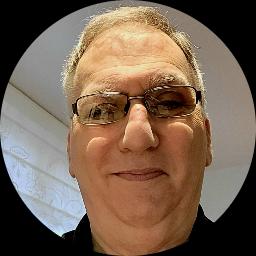
Murray Manus, LCSW
Licensed in Illinois 9 years in practice Sessions online
Licensed Clinical Social Worker - Trauma and Relationships
Surnames under M in the A-Z of everyone listed
License on record
LCSW- LCSW, Illinois
- 149.014783
- NPI
- 1639633670 national provider identifier
- Years in practice
- 9
- Languages
- English
As listed on the therapist's public professional profile. Check any license with the state board and the NPI with the national registry.
About Murray
Licensed Clinical Social Worker in Illinois with nine years of clinical experience, Murray Manus focuses on trauma and abuse, relationship concerns, and self-esteem issues. He emphasizes strengths and what is working for a person rather than focusing only on problems.
Murray’s background includes lived experience of childhood emotional abuse and neglect, which informs his perspective and the way he works with people who have similar histories. Murray uses humanistic principles and positive psychology to help people notice their existing resources.
Background and approach
He listens for how early experiences shaped coping behaviors and identity. Conversations aim to clarify needs, wants, and values that were pushed aside to survive past harm. His approach centers on building understanding of attachment patterns and emotional responses.
Sessions often look at how past relationships influence present relationship problems and commitment concerns. He helps people recognize patterns such as isolation, feelings of emptiness, shame, or guilt and consider practical steps to address them. Murray also works with aging and end-of-life concerns, gender dysphoria, and issues that affect men and women in midlife.
He addresses communication problems and family-related stress as they relate to an individual’s emotional history. His practice integrates mindfulness and emotionally-focused ideas to support noticing feelings and improving emotional connection. Clients can expect direct conversation about childhood wounds and how those wounds show up now.
Murray aims to help people reclaim parts of themselves that were hidden and begin making choices more aligned with their needs and values.
Focus areas and approaches
Everything Murray lists on their public professional profile, in their own terms.
- Trauma and abuse
- Relationship issues
- Self esteem
- Abandonment
- Aging and geriatric issues
- Attachment issues
- Commitment issues
- Communication problems
- Emptiness
- Family problems
- Gender dysphoria
- Guilt and shame
- Hospice and end-of-life counseling
- Isolation / loneliness
- Men's issues
- Midlife crisis
- Women's issues
Approaches Murray names
- Attachment-Based Therapy
- Client-Centered Therapy
- Emotionally-Focused Therapy (EFT)
- Existential Therapy
- Mindfulness Therapy
- Motivational Interviewing
- Trauma-Focused Therapy
Naming an approach is not evidence of training in it. This directory copies what each therapist lists and does not check training records.
How Murray’s approaches translate to online work
Attachment-Based Therapy looks at how early relationships shape current feelings and behavior. It helps people who struggle with trust, abandonment, and repeated relationship patterns by tracing those patterns back to their origins. Client-Centered Therapy focuses on listening and supporting the person’s own goals. It prioritizes the client’s perspective and what the client identifies as most important to address.Choosing the right approach is part of the work together. Murray will talk with each person about goals, background, and what methods feel most comfortable. That collaborative decision guides whether attachment-focused work, emotionally-focused exercises, or mindfulness practices are emphasized.
The original biography does not specify which session formats are used, so confirm current options before booking. Online sessions can make it easier to fit therapy into a busy life, reduce travel time, and allow shorter check-ins when needed. Some people use remote sessions to manage scheduling around work or caregiving, or to avoid commuting on a difficult day. Murray aims to apply attachment and client-centered methods in ways that fit each person’s routine and practical constraints.
We will earn a commission if you sign up through our link, at no cost to you. It does not change what you pay or the order of the listings.
Questions about Murray
What concerns does he commonly address?
He works with trauma and abuse, relationship problems, and self-esteem issues. Additional areas include abandonment, attachment issues, and feelings of emptiness.
What is his therapeutic style like?
Murray draws on humanistic principles and positive psychology, focusing on strengths and present resources. He uses client-centered listening alongside attachment and emotionally-focused ideas.
How much clinical experience does he have?
He has nine years of professional experience as a clinician. His personal experience with childhood emotional abuse also informs his work.
Which credentials and region apply to this clinician?
He is a Licensed Clinical Social Worker, licensed in Illinois.
In what languages are sessions offered?
Sessions are offered in English, and he accepts international clients.
What formats are used for sessions?
The original biography does not list specific session formats. Confirm current session options before booking.
How are sessions paid for and what does it cost?
Cost varies by location. Sessions use a subscription that can be canceled at any time.
How do I begin working with him?
Select the See online therapy options button, complete a short matching questionnaire, and schedule a first session.
Before you start. This directory copies what each therapist lists and does not check licenses, training or availability. Confirm the license with the state board for the state you will be in during sessions.
If you are in crisis, call or text 988. In immediate danger, call 911.
Others licensed in Illinois
See all in Illinois
Erin Brumback
LCSW
Licensed clinical social worker - Stress and ADHD
- Stress, Anxiety
- Self esteem
- Depression
Dr. Dr. Antonio Champion
LCSW
Licensed Clinical Social Worker - Stress and Anxiety
- Stress, Anxiety
- LGBT
- Self esteem
Lauren Dircks
LCSW
Licensed Clinical Social Worker - Stress and Relationships
- Stress, Anxiety
- Relationship
- Grief
Mary Jennifer Meister
LCSW
Licensed Clinical Social Worker - trauma and mood concerns
- Trauma and abuse
- Coping with life changes
- Stress, Anxiety
Is this your profile?
Ask us to correct a detail or take the page down.
Contact us