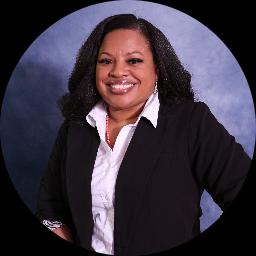
Jessica Hobart
LCSW
Licensed Clinical Social Worker - Stress and Grief
- Stress, Anxiety
- Grief
- Self esteem
A directory of US therapists who hold an LCSW license
In crisis? Call or text 988LCSW license holders
1,202 clinical social workers list aging and geriatric issues among the topics they work with. All offer sessions online, and every profile shows each state license and the NPI.
This directory highlights licensed clinical social workers (LCSWs) who focus on aging and geriatric issues. Use the listings below to explore profiles and learn which LCSWs describe experience with care coordination, caregiver support, memory concerns, and life transitions.
LCSW
Licensed Clinical Social Worker - Stress and Grief
LCSW
Licensed Clinical Social Worker - Stress and Relationships
LCSW, CSW
Licensed Clinical Social Worker - Stress and Trauma
LCSW
Licensed Clinical Social Worker - Trauma and Grief
LCSW-C, LCSW
Licensed Clinical Social Worker - relationships and mood
LCSW
Licensed Clinical Social Worker - Mood and life transitions
LCSW
Licensed Clinical Social Worker - Stress and Relationships
LCSW
Licensed Clinical Social Worker - Trauma and Family Concerns
LCSW
Licensed Clinical Social Worker - Stress and Trauma
LCSW
Licensed Clinical Social Worker - Trauma and Addictions
LCSW
Licensed Clinical Social Worker - Addictions and Family Concerns
LCSW, LPCC
Licensed Clinical Social Worker - Stress and Parenting
LCSW
Licensed Clinical Social Worker - Grief and life change
LCSW
Licensed clinical social worker - stress and career support
LCSW, CSW
Licensed Clinical Social Worker - Stress and Addictions
LCSW
Licensed Clinical Social Worker - trauma and mood concerns
LCSW
Licensed Clinical Social Worker - Relationships and Addictions
LCSW
Licensed Clinical Social Worker - relationships and life changes
LCSW
Licensed Clinical Social Worker - stress and trauma
LCSW
Licensed clinical social worker - relationships and trauma
LCSW
Licensed Clinical Social Worker - Stress and Trauma
LCSW
Licensed Clinical Social Worker - Stress and Addictions
LCSW
Licensed clinical social worker - trauma and grief
LCSW
Licensed Clinical Social Worker - Anxiety and Trauma
LMSW, LCSW, CSW
Licensed clinical social worker - relationships and coping
LCSW
Licensed Clinical Social Worker - Mood and Trauma
LCSW, LISW-CP
Licensed Clinical Social Worker - Stress and Trauma
LCSW
Licensed Clinical Social Worker - Relationship and Stress
LCSW
Licensed Clinical Social Worker - Stress and Addictions
LCSW, LPC
Licensed Clinical Social Worker - Stress and Family Issues
LCSW, CSW
Licensed Clinical Social Worker - mood and trauma
LCSW
Licensed Clinical Social Worker - Stress and Life Changes
LCSW, CSW
Licensed Clinical Social Worker - Stress and Trauma
LCSW
Licensed Clinical Social Worker - Stress and Trauma
LCSW
Licensed Clinical Social Worker - Relationship and Trauma
LCSW
Licensed Clinical Social Worker - grief and life changes
LCSW
Licensed clinical social worker - mood and transitions
LCSW
Licensed Clinical Social Worker - grief and life changes
LCSW
Licensed Clinical Social Worker - mood and relationship concerns
LCSW
Licensed Clinical Social Worker - Family and Parenting
LCSW
Licensed Clinical Social Worker - Stress and Anxiety
LCSW, CSW
Licensed Clinical Social Worker - stress and addiction
LCSW, LISW
Licensed Clinical Social Worker - Addictions and Trauma
LCSW
Licensed Clinical Social Worker - Stress and Career
LCSW
Licensed Clinical Social Worker - Stress and Trauma
LCSW, CSW
Licensed Clinical Social Worker - Mood and relationship issues
Some links on this page are partner links. We will earn a commission if you sign up through one, at no cost to you. It does not change what you pay or the order of the listings.
Aging and geriatric issues encompass a wide range of life changes and challenges that tend to become more common as people grow older. These can include shifts in physical health and mobility, changes in memory or thinking, losses of friends and partners, adjustments to retirement or reduced income, and new responsibilities for family members who provide care. You may also see complex situations such as coordinating medical and social services, navigating housing transitions, or addressing elder mistreatment and exploitation. An LCSW brings a perspective that looks beyond symptoms alone and considers the person in context - housing, family, finances, community resources, and access to care - so the focus is on how circumstances shape day-to-day wellbeing.
Because geriatric concerns often involve multiple systems and service providers, you may find that social work skills are especially relevant. LCSWs are prepared to evaluate social needs, help with resource navigation, advocate with agencies, and support both the older adult and the family network. Their licensure reflects graduate-level education, a state-specified period of supervised clinical experience, and passage of the clinical licensure exam administered by a state board. Scope of practice and title can vary by state, so LCSWs listed here practice under the rules of their issuing state licensing board.
It can be hard to know when to seek professional help. You might consider reaching out to a licensed clinical social worker if you notice sustained changes in mood such as prolonged sadness or anxiety, growing social withdrawal, loss of interest in normal activities, or persistent worry about safety and independence. Practical difficulties that interfere with daily life - trouble managing medications, repeated falls, missed appointments, or challenges with bathing and dressing - are common triggers for seeking support. Caregivers often experience burnout, resentment, or chronic stress, and may need help with coping strategies, boundary setting, and connecting to respite resources.
Memory concerns and cognitive changes prompt many families to look for professional guidance. While an LCSW does not make medical diagnoses, they can help you identify when further evaluation is warranted, assist in communicating with medical providers, and work on planning, problem solving, and day-to-day strategies to maintain quality of life. You may also seek an LCSW if you are facing transitions such as downsizing, moving to a new residence, or arranging long-term care, because these moments bring emotional as well as practical challenges.
When you begin working with a licensed clinical social worker for aging-related concerns, the first sessions typically include a thorough psychosocial assessment. The LCSW will ask questions about your living situation, daily routines, medical history, family dynamics, legal and financial considerations, and goals for care. This person-in-environment approach helps identify stressors and supports that affect wellbeing. You can expect a collaborative process where goals are set together and revisited as circumstances change.
Sessions often blend emotional support with practical problem solving. An LCSW may help you and your family create a plan for managing safety, coordinate with physicians and community services, facilitate family meetings, and teach coping strategies for grief, anxiety, or role change. If you are a caregiver, the focus may include stress reduction approaches, resource referrals such as respite programs, and guidance on navigating insurance or benefits systems. The pace and content of sessions are shaped by your needs; some people want short-term, focused assistance for a transition, while others pursue longer-term work to process losses and adjust to a new phase of life.
Licensed clinical social workers draw on a range of approaches when supporting older adults and families, and you will often see therapists who list cognitive behavioral methods, supportive counseling, problem-solving strategies, life review and reminiscence work, or family systems approaches among their approaches. Because the LCSW credential reflects social work education and clinical practice, many practitioners emphasize strengths-based and person-centered frameworks that recognize resilience and resources alongside difficulties. This means attention to the social determinants of health - housing, finances, transportation, and access to services - as part of the therapeutic plan.
In practice, that might look like combining talk-based therapy to address depression or anxiety with case management activities such as locating home health resources, helping complete paperwork for benefits, or coordinating with an interdisciplinary care team. LCSWs also often assist with advance planning conversations, including thinking about future care preferences and communicating wishes to family members. Therapists who list specific approaches among their methods can bring those techniques into sessions, but the central value an LCSW adds is the ability to integrate emotional support with concrete social interventions and systems navigation.
Online sessions with a licensed clinical social worker can be conducted by video or phone and are designed to be flexible around mobility challenges or geographic barriers. If you are considering remote sessions, think about whether you have a device with a camera, a reliable internet connection, and a quiet, comfortable environment where you can speak without interruption. Many older adults participate with a family member present for portions of a session when needed to review care plans or share updates, though you can also arrange for individual time if that feels important for your conversations.
Because telehealth practices and licensing rules vary by state, you may find that some LCSWs list telehealth among their approaches while others emphasize in-person practice. Online sessions can make it easier to involve distant family members, to follow up after hospital discharge, and to check in about caregiving challenges without long travel. Technology should be introduced at a pace that feels right for you, and many LCSWs will troubleshoot simple technical issues or suggest alternatives such as phone calls when video is not feasible.
When you look through therapist profiles, focus on the elements that matter most to your situation. Compare focus areas such as memory concerns, caregiver support, end-of-life planning, or adjustment to health changes. Look at the approaches a practitioner lists and consider whether you prefer a problem-solving, supportive, family-centered, or narrative-oriented style. Pay attention to language skills and cultural background if those factors affect rapport. Since licensure rules and scope of practice vary by state, confirm that the therapist holds an LCSW issued by a state board and note any experience they describe with coordination of services, advocacy, or working with medical teams.
It is also helpful to consider practical questions that matter for your needs. Think about whether you prefer remote sessions, in-person visits, or a combination; whether you want someone who regularly involves family members or focuses primarily on individual work; and whether you need help accessing community resources such as home care, meal programs, or legal supports. You can look for indicators of experience like years working with older adults or descriptions of typical cases they support. Above all, choose someone whose profile communicates an understanding of the social and emotional dimensions of aging, and who describes an approach that aligns with your goals for support.
Working with an LCSW for aging and geriatric issues can help you navigate the practical and emotional complexities that arise as people age. The professionals listed in this directory hold the LCSW credential and bring social work education and clinical experience to their practice, emphasizing the interaction between personal needs and environmental factors. Use the listings to read profiles, review focus areas and approaches, and identify clinicians whose experience and perspective fit the kind of support you are seeking.