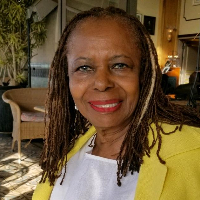
Clymie Allen, LCSW
Licensed in California and Texas 40 years in practice Sessions online
Licensed Clinical Social Worker - Mental health and relationships
Surnames under A in the A-Z of everyone listed
License on record
LCSW- LCSW, California
- 10310
- LCSW, Texas
- 54878
- NPI
- 1366579146 national provider identifier
- Years in practice
- 40
- Languages
- English
As listed on the therapist's public professional profile. Check any license with the state board and the NPI with the national registry.
About Clymie
Licensed Clinical Social Worker, California and Texas licensure, 40 years of experience. Clymie Allen focuses on stress, anxiety, addictions, relationship concerns, grief, depression, LGBT issues, family matters, trauma and abuse, and intimacy-related difficulties. She also works with eating and sleeping problems, parenting concerns, anger, self-esteem, bipolar disorder, and coping with life changes.
Clymie uses straightforward conversation and practical methods to help people manage symptoms and make small changes that add up.
Background and approach
She draws on client-centered therapy to listen and follow each person's priorities. She also uses cognitive behavioral tools to identify unhelpful thoughts and try new behaviors. Her background includes long-term clinical social work in VA and community outpatient settings, where she worked with adults, adolescents, children, and older adults.
That clinical experience informs how she supports people facing trauma, domestic violence, or substance concerns. She also has experience related to adoption and foster care, blended family issues, caregiver stress, and aging concerns. Sessions focus on clear goals and practical steps.
Clymie helps people improve communication, manage anger, and plan for life transitions. She offers direct feedback and teaches skills people can use between sessions. She holds a master of social work from the University of Southern California.
Clymie is a Licensed Clinical Social Worker (LCSW). Her training and practice span clinical approaches that prioritize the client's perspective and problem-solving.
Focus areas and approaches
Everything Clymie lists on their public professional profile, in their own terms.
- Stress, Anxiety
- Addictions
- Relationship issues
- Grief
- Depression
- LGBT
- Family conflicts
- Trauma and abuse
- Intimacy-related issues
- Eating disorders
- Sleeping disorders
- Parenting issues
- Anger management
- Self esteem
- Bipolar disorder
- Coping with life changes
- Abandonment
- Adoption and foster care
- Aging and geriatric issues
- Antisocial personality
- Attachment issues
- Blended family issues
- Cancer
- Caregiver issues and stress
- Codependency
- Commitment issues
- Communication problems
- Control issues
- Coping with natural or human-caused disaster
- Divorce and separation
- Domestic violence
- Drug and alcohol addiction
- Family problems
- Hoarding
- Impulsivity
- Infidelity
- Intellectual disability
- Isolation / loneliness
- Veteran and Armed Forces Issues
- Money and financial issues
- Mood disorders
- Self-harm
- Social anxiety and phobia
- Women's issues
- Young adult issues
Approaches Clymie names
- Client-Centered Therapy
- Cognitive Behavioral Therapy (CBT)
- Existential Therapy
Naming an approach is not evidence of training in it. This directory copies what each therapist lists and does not check training records.
Therapeutic approaches and online sessions
Client-centered therapy places the client's concerns and goals at the center of each session. The therapist listens closely, reflects back what she hears, and follows the client's priorities to set goals and next steps. This approach helps when people need someone to understand their situation and help them choose what to focus on next.Cognitive behavioral therapy (CBT) looks at connections between thoughts, feelings, and actions. It uses practical exercises and experiments to test unhelpful thoughts and try new behaviors, which can be useful for anxiety, depression, and some stress-related problems.
Finding the right approach is often part of early sessions. Clymie will work collaboratively with each person to identify which methods match their needs, goals, and preferences. She may combine client-centered listening with CBT techniques so the plan fits the person rather than the other way around.
Session format details should be confirmed before booking. The therapist's clinical approaches guide how sessions are run, and people often choose online therapy to fit sessions into busy days, reduce travel time, or have shorter check-ins when needed. Ask about the current session options when scheduling so practical arrangements match everyday routines.
We will earn a commission if you sign up through our link, at no cost to you. It does not change what you pay or the order of the listings.
Questions about Clymie
What concerns does she help with most often?
Clymie addresses stress, anxiety, depression, addictions, relationship and intimacy issues, grief, trauma and related family concerns.
What is her general therapeutic style?
Her approach is client-centered and practical, using listening and collaborative goal-setting along with cognitive behavioral techniques to change thoughts and behaviors.
How much clinical experience does she have?
She has 40 years of clinical social work experience, including work in VA and community outpatient settings.
Which credentials and locations are listed?
She is an LCSW with licensure in Texas and California and practices in California.
In what language are sessions offered?
Sessions are offered in English.
Does she work with clients outside the United States?
International clients are not currently accepted.
How are session costs handled?
Cost varies with location and sessions use a subscription that can be canceled at any time.
How do I begin a first session?
Start by selecting the See online therapy options button, complete a short matching questionnaire, and schedule a first session.
Before you start. This directory copies what each therapist lists and does not check licenses, training or availability. Confirm the license with the state board for the state you will be in during sessions.
If you are in crisis, call or text 988. In immediate danger, call 911.
Others licensed in California
See all in California

Leticia Reed
LCSW
Licensed Clinical Social Worker - Trauma and Family Concerns
- Stress, Anxiety
- Trauma and abuse
- Grief

Dr. Sherrin Packer-Rosenthal
LCSW, LPCC
Licensed Clinical Social Worker - Stress and Parenting
- Stress, Anxiety
- Trauma and abuse
- Parenting

Daniel Navarro
LCSW
Licensed Clinical Social Worker - Addictions and Trauma
- Addictions
- Trauma and abuse
- Grief
Is this your profile?
Ask us to correct a detail or take the page down.
Contact us