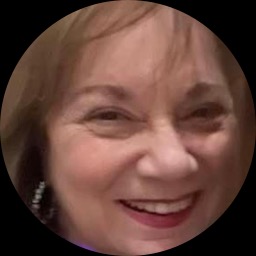
Cheryl Crusse, LCSW
Licensed in Florida 30 years in practice Sessions online
Licensed Clinical Social Worker - Mood and Trauma
Surnames under C in the A-Z of everyone listed
License on record
LCSW- LCSW, Florida
- SW15555
- NPI
- 1942512439 national provider identifier
- Years in practice
- 30
- Languages
- English
As listed on the therapist's public professional profile. Check any license with the state board and the NPI with the national registry.
About Cheryl
Licensed Clinical Social Worker, Florida. Cheryl Crusse has 30 years of experience working with people facing stress, anxiety, depression, trauma, grief, and mood-related concerns. She focuses on helping clients who are navigating life changes, relationship and intimacy challenges, and career stress.
Cheryl uses practical, evidence-informed methods to address symptoms and build coping skills. Sessions include clear strategies for managing anxiety and mood swings, tools for improving communication, and steps to process loss or trauma.
Background and approach
She draws on acceptance-based and behavioral approaches to help people make small changes that add up. Her background includes long-term work with older adults and veterans, and many years supporting people through transitions such as retirement, caregiving shifts, and health changes. That experience informs how she structures sessions for people facing complex practical and emotional concerns.
Cheryl often begins by identifying a few concrete goals and then teaches skills that fit into daily life. She uses mindfulness and grounding exercises to reduce reactivity, and cognitive tools to change unhelpful thinking patterns. Behavioral strategies are used to build routines that support mood and energy.
She also helps people examine attachment patterns, codependency, and communication habits that affect relationships. Conversations include straightforward practice of communication techniques and gradual exposure to difficult topics. People who work with Cheryl can expect an organized, skills-based process that combines acceptance- and behavior-focused methods.
Her practice emphasizes steady progress through small, manageable steps rather than quick fixes.
Focus areas and approaches
Everything Cheryl lists on their public professional profile, in their own terms.
- Stress, Anxiety
- Trauma and abuse
- Grief
- Bipolar disorder
- Depression
- Relationship issues
- Family conflicts
- Intimacy-related issues
- Anger management
- Self esteem
- Career difficulties
- Coping with life changes
- Compassion fatigue
- Aging and geriatric issues
- Attachment issues
- Codependency
- Communication problems
- Disruptive Mood Dysregulation Disorder (DMDD)
- Life purpose
- Men's issues
- Veteran and Armed Forces Issues
- Mood disorders
- Post-traumatic stress
- Seasonal Affective Disorder (SAD)
- Self-love
- Women's issues
Approaches Cheryl names
- Acceptance and Commitment Therapy (ACT)
- Cognitive Behavioral Therapy (CBT)
- Dialectical Behavior Therapy (DBT)
- Mindfulness Therapy
- Motivational Interviewing
- Solution-Focused Therapy
Naming an approach is not evidence of training in it. This directory copies what each therapist lists and does not check training records.
How ACT, CBT and DBT translate to online work
Acceptance and Commitment Therapy (ACT) focuses on clarifying personal values and taking committed steps toward them while learning to accept difficult thoughts and feelings. It helps people who feel stuck by defining small, value-driven actions and practicing them between sessions.Cognitive Behavioral Therapy (CBT) looks at the links between thoughts, feelings, and actions. Sessions involve identifying unhelpful thinking patterns and trying out behavioral changes to reduce anxiety or depression symptoms.
Dialectical Behavior Therapy (DBT) provides concrete skills for emotion regulation, distress tolerance, and interpersonal effectiveness. These skills are useful when strong emotions interfere with daily functioning or relationships.
Cheryl approaches choice of method as a collaborative process. She will work with each person to decide which approach or combination fits their goals, symptoms, and preferences. That discussion often happens in the first few meetings and is adjusted as progress is reviewed.
The biography does not specify which remote session formats are used, so confirm current options before booking. Online sessions can make it easier to fit therapy into a busy week, allow shorter check-ins when time is limited, and remove the need to travel to appointments. Therapists trained in these approaches can teach and practice skills effectively over distance when the format matches a person's schedule and needs.
We will earn a commission if you sign up through our link, at no cost to you. It does not change what you pay or the order of the listings.
Questions about Cheryl
What concerns does she address most often?
She works with stress, anxiety, depression, trauma and grief, mood disorders including bipolar, and relationship or intimacy-related issues.
What is Cheryl's therapeutic style?
Her practice uses practical, evidence-informed approaches such as ACT, CBT, DBT, mindfulness, and motivational interviewing to teach skills and manage symptoms.
How much clinical experience does she have?
She has 30 years of professional experience providing therapy in Florida.
What are her credentials and where is she based?
She is a Licensed Clinical Social Worker (LCSW) licensed in Florida and practices from that state.
Which languages are sessions offered in?
Sessions are offered in English.
Does she work with international clients?
She does not accept international clients.
How are sessions structured and what are the formats?
The original biography does not list specific session formats; please confirm current session options before booking.
How much do sessions cost and how do payments work?
Cost varies by location and sessions use a subscription model that can be canceled at any time.
Before you start. This directory copies what each therapist lists and does not check licenses, training or availability. Confirm the license with the state board for the state you will be in during sessions.
If you are in crisis, call or text 988. In immediate danger, call 911.
Others licensed in Florida
See all in Florida
Victoria Echeverry Navia
LCSW
Licensed Clinical Social Worker - Relationships and Stress
- Stress, Anxiety
- Relationship
- Family

Karina Flores
LCSW
Licensed Clinical Social Worker - Stress and Relationships
- Stress, Anxiety
- Relationship
- Self esteem
Matthew Mulock
LCSW
Licensed Clinical Social Worker - Anxiety and Trauma
- Stress, Anxiety
- Addictions
- Trauma and abuse
Suzanne Brabant
LCSW
Licensed Clinical Social Worker - Stress and Anxiety
- Stress, Anxiety
- Depression
- Coping with life changes
Is this your profile?
Ask us to correct a detail or take the page down.
Contact us