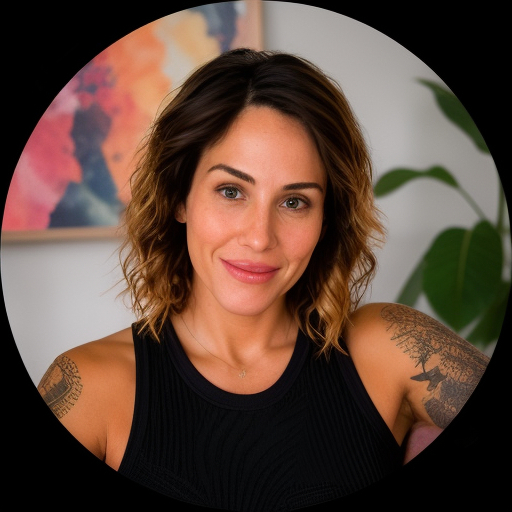
Chanin Santini, LCSW
Licensed in California and Pennsylvania 15 years in practice Sessions online
Licensed Clinical Social Worker - Relationships and Trauma
Surnames under S in the A-Z of everyone listed
License on record
LCSW- LCSW, California
- 131236
- LCSW, Pennsylvania
- CW019281
- NPI
- 1326392945 national provider identifier
- Years in practice
- 15
- Languages
- English
As listed on the therapist's public professional profile. Check any license with the state board and the NPI with the national registry.
About Chanin
Licensed Clinical Social Worker (LCSW) licensed in California with 15 years of experience, Chanin Santini helps people facing intimacy issues, anxiety, stress, addictions, relationship concerns, trauma and abuse, and questions around gender and sexuality. She also works with people dealing with self-esteem, depression, coping with life changes, and coaching for personal goals.
Chanin talks through relationship and communication problems in clear, practical language. Sessions often focus on what is happening now and on skills that can be used between meetings.
Background and approach
She uses straightforward methods to address things like commitment worries, codependency, and attachment concerns. Her approach draws on client-centered work and cognitive behavioral techniques to identify unhelpful patterns and test new behaviors. Dialectical behavior ideas and mindfulness practices are used to help regulate strong emotions and reduce distressing reactions.
The Gottman Method informs work around communication and intimacy in close relationships. Chanin also addresses areas some therapists avoid, including kink and BDSM culture, body image, fertility and cancer-related concerns, and first responder issues. She pays attention to how shame, guilt, and past abuse affect daily life and decision making.
People can expect direct, practical conversations aimed at clearer choices and better day-to-day functioning. Chanin practices in California and offers therapy in English. To begin, follow the site's scheduling flow and complete the initial matching questionnaire.
Focus areas and approaches
Everything Chanin lists on their public professional profile, in their own terms.
- Intimacy-related issues
- Stress, Anxiety
- Addictions
- LGBT
- Relationship issues
- Trauma and abuse
- Anger management
- Self esteem
- Depression
- Coping with life changes
- Coaching
- Attachment issues
- BDSM, kink, and alternative sex culture
- Body image
- Cancer
- Codependency
- Commitment issues
- Communication problems
- Divorce and separation
- Eating and food-related issues
- Family problems
- Fertility issues
- First responder issues
- Forgiveness
- Gender dysphoria
- Guilt and shame
- HIV / AIDS
- Impulsivity
- Infidelity
- Isolation / loneliness
- Jealousy
- Life purpose
- Men's issues
- Midlife crisis
- Veteran and Armed Forces Issues
- Multicultural concerns
- Personality disorders
- Post-traumatic stress
- Pregnancy and childbirth
- Self-harm
- Self-love
- Sex addiction
- Sexual assault and abuse
- Sexual dysfunction
- Sexuality
- Social anxiety and phobia
- Women's issues
- Workplace issues
Approaches Chanin names
- Client-Centered Therapy
- Cognitive Behavioral Therapy (CBT)
- Dialectical Behavior Therapy (DBT)
- Gottman Method
- Mindfulness Therapy
- Motivational Interviewing
- Narrative Therapy
- Solution-Focused Therapy
- Trauma-Focused Therapy
- Systemic Therapy
Naming an approach is not evidence of training in it. This directory copies what each therapist lists and does not check training records.
How her approaches translate to online work
Client-Centered Therapy emphasizes listening and building understanding. In practice this means the therapist asks about immediate concerns and priorities, and adapts sessions to the client's goals and pace. It helps when someone wants straightforward support and feedback on relationship or personal issues.Cognitive Behavioral Therapy (CBT) focuses on identifying patterns in thoughts and behaviors and testing small changes. CBT can help with anxiety, depression, stress, and habits connected to addictions by breaking problems into concrete steps and homework tasks.
Dialectical Behavior Therapy (DBT) adds skills for handling strong emotions and improving distress tolerance. Those skills are useful for people dealing with anger, intense relationship conflict, or repeated cycles of shame and guilt.
Finding the right approach is part of the work. The therapist will discuss options and help decide which methods to try based on a client's needs, goals, and preferences. That decision is collaborative and may change over time as progress is tracked.
Confirm the specific session formats offered before booking through the site. Online sessions can make it easier to fit meetings around work, medical appointments, or caregiving. They also allow for shorter check-ins when needed, and phone or lower-bandwidth options can be useful when video is difficult. Licensed professionals adapt session length and focus to match everyday schedules and responsibilities.
We will earn a commission if you sign up through our link, at no cost to you. It does not change what you pay or the order of the listings.
Questions about Chanin
What types of concerns does she address most often?
She focuses on intimacy-related issues, relationship and communication problems, trauma and abuse, anxiety, stress, addictions, and questions around gender and sexuality.
What is her general therapeutic style?
Her work is practical and client-centered, using clear discussions and skill practice. She often combines cognitive behavioral ideas with mindfulness and dialectical behavior techniques.
How much clinical experience does she have?
She has 15 years of experience working with adults on a range of emotional and relationship challenges.
Which licenses does she hold and where does she practice?
She is an LCSW and practices in California; credential listings include CA LCSW and PA LCSW.
Which languages are supported for sessions?
Sessions are offered in English.
Does she work with international clients?
She is not currently accepting international clients.
How are sessions paid for and what does cost look like?
Cost varies with location; sessions use a subscription model that can be canceled at any time.
How do I start a first session?
Use the See online therapy options button, complete the short matching questionnaire, and then schedule a first session through the site.
Before you start. This directory copies what each therapist lists and does not check licenses, training or availability. Confirm the license with the state board for the state you will be in during sessions.
If you are in crisis, call or text 988. In immediate danger, call 911.
Others licensed in California
See all in California

Leticia Reed
LCSW
Licensed Clinical Social Worker - Trauma and Family Concerns
- Stress, Anxiety
- Trauma and abuse
- Grief

Dr. Sherrin Packer-Rosenthal
LCSW, LPCC
Licensed Clinical Social Worker - Stress and Parenting
- Stress, Anxiety
- Trauma and abuse
- Parenting

Daniel Navarro
LCSW
Licensed Clinical Social Worker - Addictions and Trauma
- Addictions
- Trauma and abuse
- Grief
Is this your profile?
Ask us to correct a detail or take the page down.
Contact us