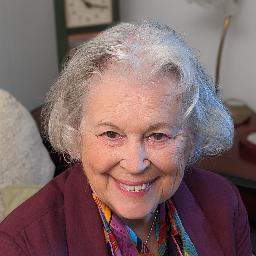
Brenda Cahill, LCSW
Licensed in Virginia 25 years in practice Sessions online
Licensed Clinical Social Worker - Stress and Mood Concerns
Surnames under C in the A-Z of everyone listed
License on record
LCSW- LCSW, Virginia
- 0904005642
- NPI
- 1194908780 national provider identifier
- Years in practice
- 25
- Languages
- English
As listed on the therapist's public professional profile. Check any license with the state board and the NPI with the national registry.
About Brenda
Licensed Clinical Social Worker in Virginia with 25 years of experience, Brenda Cahill provides individual therapy for adults dealing with stress, anxiety, grief, depression, life changes and related concerns. She works with issues such as self-esteem, relationship and intimacy challenges, trauma and abuse, sleep problems, anger, career transitions, ADHD and mood disorders.
Sessions are offered in English and she does not take international clients. Brenda uses practical, action-oriented methods that help people clarify goals and try new ways of coping.
Background and approach
She focuses on strengths and on small, doable changes that reduce stress and improve day-to-day functioning. Conversations can include problem-solving, learning skills, and rethinking habits that get in the way of better sleep, work, or relationships. Her work often addresses grief, aging and end-of-life concerns alongside mood and anxiety issues.
She can help people who are struggling with isolation, role changes, or complicated medical or caregiving situations. Sessions also cover issues like gender dysphoria, codependency, and challenges faced by veterans and armed forces community members when those are part of a person's concerns. Brenda draws from therapies such as Acceptance and Commitment Therapy, Cognitive Behavioral Therapy, Dialectical Behavior Therapy and Client-Centered Therapy.
Those approaches are used to teach skills, shift unhelpful thinking, and support value-based action. She collaborates with each person to set clear goals and practical steps toward them. Clients can expect straightforward conversations that focus on problems to solve and small experiments to try between sessions.
She helps people develop coping plans and improve communication and emotional regulation. The aim is better day-to-day functioning and a more positive self-view over time.
Focus areas and approaches
Everything Brenda lists on their public professional profile, in their own terms.
- Stress, Anxiety
- Grief
- Self esteem
- Depression
- Coping with life changes
- LGBT
- Relationship issues
- Family conflicts
- Trauma and abuse
- Intimacy-related issues
- Sleeping disorders
- Anger management
- Career difficulties
- Bipolar disorder
- Coaching
- ADHD
- Aging and geriatric issues
- Co-morbidity
- Codependency
- Communication problems
- Gender dysphoria
- Guilt and shame
- Hospice and end-of-life counseling
- Isolation / loneliness
- Veteran and Armed Forces Issues
- Mood disorders
- Panic disorder and panic attacks
- Personality disorders
- Postpartum depression
- Seasonal Affective Disorder (SAD)
- Social anxiety and phobia
- Women's issues
- Workplace issues
Approaches Brenda names
- Acceptance and Commitment Therapy (ACT)
- Client-Centered Therapy
- Cognitive Behavioral Therapy (CBT)
- Dialectical Behavior Therapy (DBT)
Naming an approach is not evidence of training in it. This directory copies what each therapist lists and does not check training records.
How Brenda Uses Evidence-Based Approaches in Online Work
A few of the approaches she draws on include Acceptance and Commitment Therapy and Cognitive Behavioral Therapy. ACT focuses on helping people clarify what matters to them and take action toward those values, even when difficult thoughts or feelings arise. CBT looks at patterns of thinking and behavior that keep problems going and teaches practical skills to change them.Finding the right approach is collaborative. The therapist will work with the person to identify goals and try approaches that fit their needs and preferences. That process may include adjusting methods over time based on what helps most.
If you are thinking about online sessions, confirm the current session formats before booking since formats were not specified in the biography. Online work can make it easier to fit sessions around work, medical appointments, or caregiving by removing travel time. It can also allow shorter check-ins when a brief update is needed, or offer options that don’t require video for times when bandwidth is limited or being on camera is difficult. Discussing these practical details during the matching and scheduling steps helps ensure sessions fit into everyday life.
We will earn a commission if you sign up through our link, at no cost to you. It does not change what you pay or the order of the listings.
Questions about Brenda
What concerns does she commonly address?
She works with stress, anxiety, grief, depression, self-esteem, relationship and intimacy issues, trauma, sleep problems, anger, career concerns, ADHD and mood disorders among other topics.
What is her therapeutic style?
She uses practical, action-focused methods drawn from Client-Centered Therapy, CBT, DBT and ACT to teach skills and set concrete goals.
How much experience does she have?
She has 25 years of experience as a clinical social worker providing individual therapy for adults.
Where is she licensed and based?
She is a Licensed Clinical Social Worker (LCSW) licensed in Virginia and practices there.
Which languages are supported?
Sessions are offered in English.
Does she work with international clients?
She does not accept international clients at this time.
How does cost and billing work?
Cost varies with location and sessions use a subscription model that can be canceled at any time.
How do I begin a first session?
Start by selecting the See online therapy options button, complete a short matching questionnaire, and schedule a first session.
Before you start. This directory copies what each therapist lists and does not check licenses, training or availability. Confirm the license with the state board for the state you will be in during sessions.
If you are in crisis, call or text 988. In immediate danger, call 911.
Others licensed in Virginia
See all in Virginia
Denise Greenwood
LCSW
Licensed Clinical Social Worker - life transitions
- Stress, Anxiety
- Grief
- Self esteem
Delores Smith
LCSW
Licensed Clinical Social Worker - Relationships and Stress
- Stress, Anxiety
- Relationship
- Grief
Anita Reed
LCSW-C, LCSW
Licensed Clinical Social Worker - relationships and mood
- Stress, Anxiety
- Relationship
- Parenting

Paul Clark
LICSW, LCSW
Licensed Clinical Social Worker - Stress and Relationships
- Stress, Anxiety
- Relationship
- Family
Is this your profile?
Ask us to correct a detail or take the page down.
Contact us