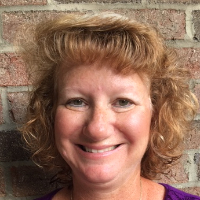
Stephanie Bigham, LCSW
Licensed in North Carolina 20 years in practice Sessions online
Licensed Clinical Social Worker - Anxiety and Family Concerns
Surnames under B in the A-Z of everyone listed
License on record
LCSW- LCSW, North Carolina
- C005409
- NPI
- 1942851811 national provider identifier
- Years in practice
- 20
- Languages
- English
As listed on the therapist's public professional profile. Check any license with the state board and the NPI with the national registry.
About Stephanie
Licensed Clinical Social Worker, North Carolina, with 20 years of experience. Stephanie Bigham helps people manage stress, anxiety, relationship and family concerns, parenting questions, grief, trauma, and mood challenges such as depression and bipolar disorder. Stephanie uses practical, evidence-informed methods and asks clients to take an active role.
She often suggests short exercises between meetings to practice new skills. Sessions focus on noticing thoughts and feelings, learning coping strategies, and problem solving everyday difficulties.
Background and approach
Her background includes work in a community mental health clinic serving people with developmental delays, a hospital NICU setting, a respite program, classroom and substitute teaching for elementary grades, and a independent practice. She also spent time as a full-time caregiver at home, which informs how she supports parents and caregivers facing stress.
Stephanie blends acceptance-based and cognitive approaches with mindfulness and narrative techniques. She helps people recognize unhelpful thought patterns, build emotion regulation skills, and clarify values that guide choices. Homework and psychoeducation are commonly used so clients can practice skills between sessions.
She also offers support for adoption and foster care matters, blended family issues, caregiver stress, communication problems, first responder-related stress, divorce and separation, and questions about life purpose and career. Stephanie aims to work collaboratively to find realistic next steps and tools people can use in daily life.
Focus areas and approaches
Everything Stephanie lists on their public professional profile, in their own terms.
- Stress, Anxiety
- Relationship issues
- Family conflicts
- Parenting issues
- Self esteem
- LGBT
- Trauma and abuse
- Grief
- Intimacy-related issues
- Sleeping disorders
- Anger management
- Career difficulties
- Bipolar disorder
- Depression
- Coping with life changes
- Coaching
- ADHD
- Adoption and foster care
- Blended family issues
- Caregiver issues and stress
- Communication problems
- Control issues
- Coping with natural or human-caused disaster
- Divorce and separation
- Family problems
- First responder issues
- Forgiveness
- Guilt and shame
- Infidelity
- Isolation / loneliness
- Life purpose
- Mood disorders
- Panic disorder and panic attacks
- Pregnancy and childbirth
- Seasonal Affective Disorder (SAD)
- Self-love
- Workplace issues
- Young adult issues
Approaches Stephanie names
- Acceptance and Commitment Therapy (ACT)
- Cognitive Behavioral Therapy (CBT)
- Dialectical Behavior Therapy (DBT)
- Mindfulness Therapy
- Narrative Therapy
- Solution-Focused Therapy
Naming an approach is not evidence of training in it. This directory copies what each therapist lists and does not check training records.
How Stephanie’s approaches translate to online work
Stephanie commonly uses Acceptance and Commitment Therapy and Cognitive Behavioral Therapy in her practice. ACT focuses on clarifying values and taking committed action even when difficult thoughts or feelings appear; it can help with life changes, motivation, and coping. CBT looks at links between thoughts, feelings, and behaviors and teaches concrete skills for reducing anxiety, improving sleep, and managing mood.Finding the best approach is a collaborative process. The therapist will discuss goals and preferences, try techniques in sessions, and adjust the plan based on what helps most. Clients and the clinician decide together whether to emphasize skills practice, mindfulness exercises, narrative work, or a mix of strategies.
Confirm the therapist's current session options before booking since formats were not specified in the source biography. Online care can make it easier to fit meetings into a busy life, reduce travel time, and allow shorter check-ins when schedules are tight. It also lets people practice skills between meetings in the settings where challenges occur. If you want to move forward, check the session options and choose what fits your routine and needs.
We will earn a commission if you sign up through our link, at no cost to you. It does not change what you pay or the order of the listings.
Questions about Stephanie
What concerns does she commonly address?
She works with stress, anxiety, relationship and family conflict, parenting issues, grief, trauma, mood disorders, bipolar and depression, and related areas such as career and life changes.
What is her therapeutic style?
She uses acceptance-based cognitive approaches with mindfulness, narrative, and skills-based techniques. Sessions include active participation and practical exercises to try between meetings.
How much clinical experience does she have?
She has 20 years of experience working across clinics, hospitals, respite programs, classrooms, and independent practice settings.
Where is she licensed?
She is a Licensed Clinical Social Worker with an LCSW credential in North Carolina.
Which languages are offered for sessions?
Sessions are offered in English.
Does she take international clients?
International clients are not currently accepted.
How are session costs handled?
Cost varies by location and sessions use a subscription model that can be canceled at any time.
How do I begin a first session?
Select the See online therapy options button, complete a short matching questionnaire, and schedule a first session.
Before you start. This directory copies what each therapist lists and does not check licenses, training or availability. Confirm the license with the state board for the state you will be in during sessions.
If you are in crisis, call or text 988. In immediate danger, call 911.
Others licensed in North Carolina
See all in North Carolina
Jessie Staton
LCSW
Licensed Clinical Social Worker - stress and relationships
- Stress, Anxiety
- Addictions
- Relationship

Jason Radosevich
LCSW
Licensed Clinical Social Worker - anxiety and relationships
- Stress, Anxiety
- Family
- Grief

Consuela Brown
LCSW
Licensed Clinical Social Worker - Relationships and Trauma
- Stress, Anxiety
- Relationship
- Trauma and abuse

Is this your profile?
Ask us to correct a detail or take the page down.
Contact us