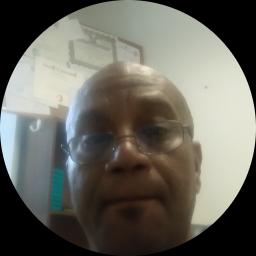
Dr. Darryl Mccarroll, LCSW
Licensed in North Carolina 8 years in practice Sessions online
Licensed Clinical Social Worker - Trauma and Addictions
Surnames under M in the A-Z of everyone listed
License on record
LCSW- LCSW, North Carolina
- C014041
- NPI
- 1851957203 national provider identifier
- Years in practice
- 8
- Languages
- English
As listed on the therapist's public professional profile. Check any license with the state board and the NPI with the national registry.
About Darryl
Licensed Clinical Social Worker in North Carolina with eight years of experience, Dr. Darryl Mccarroll helps people with stress, anxiety, addictions, trauma and abuse, relationship concerns, and depression. He offers support for grief, self-esteem, intimacy-related issues, anger, bipolar concerns, and coaching needs.
He also focuses on communication problems, first responder issues, multicultural concerns, and veteran and armed forces issues. Dr. Mccarroll draws on client-centered methods to build a working relationship that centers the person's goals.
Background and approach
He uses cognitive behavioral techniques to identify patterns of thought and behavior that maintain distress. Dialectical behavior skills and emotionally-focused ideas are part of his work when regulating strong emotions and improving connection in close relationships. He brings a background that includes military service and time working in community settings, hospitals, group homes, orphanages, and schools.
That range of experience informs how he looks at practical life stressors alongside clinical concerns. He has worked with sexual trauma, human trafficking survivors, and people with process addictions such as gambling and problematic pornography use. Dr.
Mccarroll earned a Bachelor of Arts, a master of ministry, a Master of Social Work, and a Doctor of Social Work. He lists his credential as LCSW in North Carolina. He speaks English and accepts international clients.
In sessions he typically combines approaches like client-centered care, CBT, DBT, EMDR, and emotionally-focused methods to address symptoms and relationship patterns. He will discuss what methods may fit best and make adjustments as therapy moves forward.
Focus areas and approaches
Everything Darryl lists on their public professional profile, in their own terms.
- Stress, Anxiety
- Addictions
- Family conflicts
- Trauma and abuse
- Self esteem
- Relationship issues
- Grief
- Intimacy-related issues
- Anger management
- Bipolar disorder
- Depression
- Coaching
- Communication problems
- First responder issues
- Forgiveness
- Guilt and shame
- Isolation / loneliness
- Life purpose
- Veteran and Armed Forces Issues
- Multicultural concerns
- Personality disorders
- Polyamory / non-monogamous relationships
- Process addiction (porn, exercise, gambling)
- Self-love
- Sexual assault and abuse
- Social anxiety and phobia
Approaches Darryl names
- Client-Centered Therapy
- Cognitive Behavioral Therapy (CBT)
- Dialectical Behavior Therapy (DBT)
- Emotionally-Focused Therapy (EFT)
- Eye Movement Desensitization and Reprocessing (EMDR)
- Hypnotherapy
- Mindfulness Therapy
- Motivational Interviewing
- Narrative Therapy
- Psychodynamic Therapy
- Trauma-Focused Therapy
Naming an approach is not evidence of training in it. This directory copies what each therapist lists and does not check training records.
How therapeutic approaches are used in online sessions
Client-centered therapy focuses on listening and building collaborative goals. Online sessions using this approach center the client's priorities and encourage the therapist and client to set practical aims together.Cognitive Behavioral Therapy (CBT) works by identifying unhelpful thoughts and testing them with real-world experiments. In remote sessions, CBT often includes homework between meetings and clear steps to practice new skills at home.
Dialectical Behavior Therapy (DBT) provides concrete skills for managing intense emotions and improving interpersonal effectiveness. Teaching these skills online can include in-session role practice and step-by-step coaching for emotion regulation.
Figuring out which approach fits best is part of the first few sessions. The therapist will talk with the client about problems, goals, and preferences, then recommend methods to try. That plan can be adjusted over time as needs change.
Online sessions can make it easier to fit therapy into a busy week and reduce travel time. They also allow using tools like screen sharing for worksheets and sending brief between-session tasks. The original biography does not list specific session formats, so confirm the available options before booking. This helps match scheduling and the practical setup to everyday life.
We will earn a commission if you sign up through our link, at no cost to you. It does not change what you pay or the order of the listings.
Questions about Darryl
What concerns does he commonly address?
He works with stress, anxiety, addictions, trauma and abuse, relationship and intimacy issues, grief, depression, bipolar concerns, anger, and self-esteem problems.
What is his general therapy style?
His approach is client-centered, using conversational work to identify goals. He integrates CBT and DBT techniques and may include EMDR-informed methods for trauma.
How many years of experience does he have?
He has eight years of experience working in clinical and community settings, along with prior military service that informs his perspective.
What credentials and location are listed?
He is listed as an LCSW in North Carolina. His profile states education through a Doctor of Social Work degree.
Which languages are supported and can international clients work with him?
Sessions are offered in English and the profile indicates he accepts international clients.
What session formats are offered?
The original biography does not specify session formats. Confirm current session options before booking to know whether video, phone, or other formats are offered.
How does billing and cost work?
Cost varies with location and sessions use a subscription model that can be canceled at any time.
How do I begin working with him?
To get started, select the See online therapy options button, complete a short matching questionnaire, and schedule a first session.
Before you start. This directory copies what each therapist lists and does not check licenses, training or availability. Confirm the license with the state board for the state you will be in during sessions.
If you are in crisis, call or text 988. In immediate danger, call 911.
Others licensed in North Carolina
See all in North Carolina
Jessie Staton
LCSW
Licensed Clinical Social Worker - stress and relationships
- Stress, Anxiety
- Addictions
- Relationship

Jason Radosevich
LCSW
Licensed Clinical Social Worker - anxiety and relationships
- Stress, Anxiety
- Family
- Grief

Consuela Brown
LCSW
Licensed Clinical Social Worker - Relationships and Trauma
- Stress, Anxiety
- Relationship
- Trauma and abuse

Is this your profile?
Ask us to correct a detail or take the page down.
Contact us