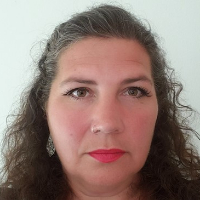
Amy Thomas, LCSW
Licensed in Idaho and Texas 9 years in practice Sessions online
Licensed clinical social worker - relationships and trauma
Surnames under T in the A-Z of everyone listed
License on record
LCSW- LCSW, Idaho
- LCSW-38191
- LCSW, Texas
- 111286
- NPI
- 1619328044 national provider identifier
- Years in practice
- 9
- Languages
- English
As listed on the therapist's public professional profile. Check any license with the state board and the NPI with the national registry.
About Amy
Licensed Clinical Social Worker, Texas. Amy Thomas has nine years of clinical experience and works with concerns such as anxiety, depression, trauma and abuse, ADHD, parenting challenges, relationship and intimacy-related issues, and self-esteem. She also addresses eating and addiction concerns, stress, coping with life changes, and LGBT-related topics.
Amy uses a straightforward, skills-oriented approach in sessions. She listens to what someone is managing now, then suggests practical steps to try between meetings.
Background and approach
Sessions often include work on thoughts and behaviors, emotion regulation skills, and ways to repair or improve close relationships. Her background includes work with trauma, mood and personality concerns, eating problems, and issues tied to sexuality and non-traditional relationships. She incorporates cognitive behavioral methods and dialectical behavior strategies alongside attachment-informed work and client-centered techniques.
The Gottman Method is used when relationship-focused tools are helpful. Amy aims to break problems down into manageable parts. That may look like trying a thought-record, practicing a grounding skill, or rehearsing a difficult conversation.
She also helps people sort through attachment patterns and how those affect current relationships. She practices from a social work standpoint and brings practical problem-solving to sessions. For people trying to balance parenting, work, and mental health, she focuses on clear steps that fit everyday life.
The initial meeting is used to identify priorities and plan next steps based on what the person wants to work on.
Focus areas and approaches
Everything Amy lists on their public professional profile, in their own terms.
- LGBT
- Trauma and abuse
- Parenting issues
- Self esteem
- ADHD
- Stress, Anxiety
- Addictions
- Relationship issues
- Family conflicts
- Intimacy-related issues
- Eating disorders
- Depression
- Coping with life changes
- Abandonment
- Adoption and foster care
- Attachment issues
- BDSM, kink, and alternative sex culture
- Blended family issues
- Body image
- Control issues
- Divorce and separation
- Eating and food-related issues
- Family problems
- First responder issues
- Forgiveness
- Gender dysphoria
- Guilt and shame
- Impulsivity
- Mood disorders
- Multicultural concerns
- Panic disorder and panic attacks
- Polyamory / non-monogamous relationships
- Post-traumatic stress
- Prejudice and discrimination
- Self-harm
- Self-love
- Sexual assault and abuse
- Sexuality
- Social anxiety and phobia
- Young adult issues
Approaches Amy names
- Attachment-Based Therapy
- Client-Centered Therapy
- Cognitive Behavioral Therapy (CBT)
- Dialectical Behavior Therapy (DBT)
- Gottman Method
- Mindfulness Therapy
- Motivational Interviewing
- Narrative Therapy
- Solution-Focused Therapy
- Trauma-Focused Therapy
Naming an approach is not evidence of training in it. This directory copies what each therapist lists and does not check training records.
How attachment, CBT, and DBT inform online sessions
Amy draws on attachment-based ideas to look at how early connection patterns affect current relationships. This approach helps identify recurring interaction patterns and ways to build more supported ways of relating.She also uses cognitive behavioral therapy, which focuses on identifying unhelpful thoughts and changing behaviors to reduce symptoms like anxiety and depression. CBT offers concrete tools such as thought records and behavior experiments that can be practiced between sessions.
Dialectical behavior therapy techniques are used for emotion regulation, distress tolerance, and improving interpersonal effectiveness. These practical skills give people ways to manage strong emotions and keep relationships stable.
Finding the right approach is part of the work. Amy will discuss goals and preferences and collaborate on which methods to try first. That plan can change as progress is tracked and new needs appear.
Confirm the current session options before booking, as formats are not listed here. Online sessions can make it easier to fit therapy into a busy schedule, reduce travel time, allow shorter focused check-ins when needed, and offer the option of not using video when a session by phone is preferred. These practical benefits can help therapy fit into everyday life while the therapist and client test which methods work best.
We will earn a commission if you sign up through our link, at no cost to you. It does not change what you pay or the order of the listings.
Questions about Amy
What kinds of problems does she help with most often?
She helps people with anxiety, depression, trauma and abuse, ADHD, parenting concerns, relationship and intimacy-related issues, eating and addiction concerns, and stress management.
What style of therapy does she use?
She uses client-centered work combined with cognitive behavioral techniques, dialectical behavior strategies, and attachment-informed approaches. Gottman Method tools may be used for relationship-focused work.
How much clinical experience does she have?
She has nine years of experience working in clinical settings with trauma, mood and personality concerns, eating problems, and sexuality-related issues.
What are her credentials and where is she based?
She is a Licensed Clinical Social Worker (LCSW) licensed in Texas and practices from Texas.
Which languages are offered for sessions?
Sessions are offered in English.
Can international clients work with her?
She accepts international clients. Confirm any logistics or time zone details when arranging sessions.
How are session costs handled?
Cost varies with location; sessions use a subscription that can be canceled at any time. Check the subscription details for payment specifics tied to your location.
How do I begin working with her?
Select the See online therapy options button, complete a short matching questionnaire, and schedule a first session to get started.
Before you start. This directory copies what each therapist lists and does not check licenses, training or availability. Confirm the license with the state board for the state you will be in during sessions.
If you are in crisis, call or text 988. In immediate danger, call 911.
Others licensed in Texas
See all in Texas
Shontel Taylor Harris
LCSW
Licensed Clinical Social Worker - mood and relationship support
- Stress, Anxiety
- Relationship
- Trauma and abuse

Brandon O’Bryant
LCSW
Licensed clinical social worker - Stress and addictions
- Stress, Anxiety
- Addictions
- Self esteem

Karanequa Bagnerise
LCSW
Licensed Clinical Social Worker - Stress and Trauma
- Stress, Anxiety
- Trauma and abuse
- Self esteem

Kimberly Williams
LCSW
Licensed Clinical Social Worker - trauma and anxiety
- Stress, Anxiety
- Relationship
- Trauma and abuse
Is this your profile?
Ask us to correct a detail or take the page down.
Contact us