
Tanya Edwards, LICSW, LCSW, CSW
Licensed in 5 states 15 years in practice Sessions online
Licensed Clinical Social Worker - grief and life changes
Surnames under E in the A-Z of everyone listed
License on record
LICSW- LICSW, Vermont
- 089.0134761
- LICSW, Massachusetts
- 125942
- LCSW, Louisiana
- 6121
- LCSW, Connecticut
- 12868
- LCSW, Colorado
- CSW.09929686
- NPI
- 1538307145 national provider identifier
- Years in practice
- 15
- Languages
- English
As listed on the therapist's public professional profile. Check any license with the state board and the NPI with the national registry.
About Tanya
Licensed Clinical Social Worker, licensed in Vermont (LICSW) and Colorado (LCSW), with 15 years of experience. Tanya Edwards works with grief, depression, self-esteem, compassion fatigue, career concerns, parenting and family-related stress, and other life transitions noted in her profile. Tanya uses straightforward, person-focused methods in sessions.
She leans on client-centered listening to learn what matters most. She also uses Cognitive Behavioral Therapy and Emotionally-Focused approaches to help people notice patterns, test thoughts, and build clearer emotional connection skills.
Background and approach
Sessions begin with a look at immediate problems and practical goals. Tanya helps people break down worries into small steps. She offers concrete skills for managing mood, handling anger, and coping with grief or caregiver strain.
Work on relationships focuses on communication and understanding patterns that get in the way. Her background includes long-term clinical work with adults facing midlife transitions, end-of-life caregiving, and multicultural issues. The profile lists experience with hospice and geriatric concerns as well as workplace and career stress.
She names narrative and mindfulness techniques among her tools to help people reframe difficult experiences and slow down strong emotions. Tanya practices from a strengths orientation and emphasizes a collaborative partnership. She asks questions, reflects what she hears, and helps clients set practical steps between sessions.
Clients who want to know more are encouraged to use the site process to view online therapy options and schedule an initial meeting.
Focus areas and approaches
Everything Tanya lists on their public professional profile, in their own terms.
- Grief
- Self esteem
- Depression
- Coping with life changes
- Compassion fatigue
- Relationship issues
- Family conflicts
- Parenting issues
- Anger management
- Career difficulties
- Aging and geriatric issues
- Body image
- Caregiver issues and stress
- Communication problems
- Coping with natural or human-caused disaster
- Emptiness
- Family of origin issues
- Hospice and end-of-life counseling
- Infidelity
- Life purpose
- Midlife crisis
- Multicultural concerns
- Prejudice and discrimination
- Women's issues
Approaches Tanya names
- Client-Centered Therapy
- Cognitive Behavioral Therapy (CBT)
- Emotionally-Focused Therapy (EFT)
- Mindfulness Therapy
- Motivational Interviewing
- Narrative Therapy
- Psychodynamic Therapy
- Solution-Focused Therapy
Naming an approach is not evidence of training in it. This directory copies what each therapist lists and does not check training records.
How Tanya’s approaches translate to online work
Tanya uses Client-Centered Therapy, Cognitive Behavioral Therapy (CBT), and Emotionally-Focused Therapy in ways that translate to remote sessions. Client-Centered Therapy means the therapist listens closely and reflects what the client says to build clear goals; this helps clarify what to focus on in each session. CBT involves identifying unhelpful thoughts and testing them with concrete experiments or behavior changes to reduce depression or anxiety. Emotionally-Focused Therapy concentrates on mapping emotional responses and improving communication patterns, which can help with relationship strain and grief processing.Deciding which approach to use is a collaborative step. Tanya reviews concerns, goals, and preferences with each person and suggests which methods to try first. She adjusts the plan as needed based on what is helpful, so the work is shaped by client feedback and real results from session exercises.
The profile does not specify particular session formats, so confirm available options before booking. In general, online sessions can make it easier to fit therapy into a busy schedule, reduce travel time, and allow shorter check-ins when needed. Some approaches, like CBT homework or narrative work, adapt well to remote sessions because they rely on written exercises, thought records, and in-session skill practice rather than physical materials.
We will earn a commission if you sign up through our link, at no cost to you. It does not change what you pay or the order of the listings.
Questions about Tanya
What concerns does she help with most often?
She works with grief, depression, low self-esteem, compassion fatigue, parenting and family stress, anger, and career or life transition issues.
What is her general therapeutic style?
Tanya uses a client-centered approach combined with Cognitive Behavioral Therapy and Emotionally-Focused techniques. She focuses on listening, practical steps, and improving communication.
How much clinical experience does she have?
She has 15 years of clinical experience working with adults on a range of concerns including aging and hospice-related issues.
Where is she licensed and based?
She holds a Vermont LICSW and a Colorado LCSW and practices from Massachusetts as listed in her profile.
Which languages are supported?
Sessions are offered in English and she accepts international clients.
What session formats are offered?
The original biography does not list specific session formats; please confirm the current session options before booking.
How does cost work for sessions?
Cost varies with location and sessions use a subscription model that can be canceled at any time.
What are the first steps to begin?
Use the See online therapy options button, complete the short matching questionnaire, and schedule a first session.
Before you start. This directory copies what each therapist lists and does not check licenses, training or availability. Confirm the license with the state board for the state you will be in during sessions.
If you are in crisis, call or text 988. In immediate danger, call 911.
Others licensed in Massachusetts
See all in Massachusetts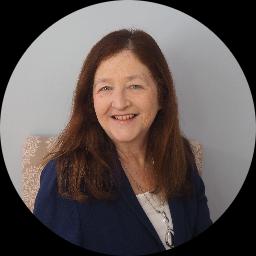
Chrystine Longley
LICSW, LCSW
Licensed Clinical Social Worker - Stress and Trauma
- Stress, Anxiety
- Trauma and abuse
- Grief

Ilknur Citlak
LCSW, LICSW
Licensed Clinical Social Worker - Anxiety and Trauma
- Stress, Anxiety
- Family
- Trauma and abuse

Diane Paseos
LICSW, LCSW
Licensed Clinical Social Worker - mood and life changes
- Stress, Anxiety
- Grief
- Depression

Jessica Gerson
LICSW, LCSW
Licensed Clinical Social Worker - stress and relationships
- Stress, Anxiety
- LGBT
- Parenting
Is this your profile?
Ask us to correct a detail or take the page down.
Contact us