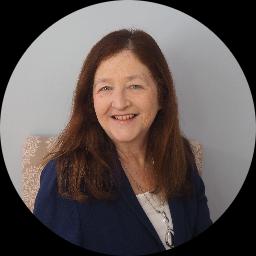
Chrystine Longley
LICSW, LCSW
Licensed Clinical Social Worker - Stress and Trauma
- Stress, Anxiety
- Trauma and abuse
- Grief
A directory of US therapists who hold an LCSW license
In crisis? Call or text 988LCSW license holders
12 clinical social workers in this directory are licensed in Massachusetts. Sessions are online, but a license covers one state, so check the license card on each profile if you will be somewhere else during sessions.
Welcome to the Massachusetts directory of online therapists who hold the LCSW credential. All listed professionals are licensed clinical social workers - explore profiles to learn about their credentials, focus areas, languages, and experience.
LICSW, LCSW
Licensed Clinical Social Worker - Stress and Trauma
LCSW, LICSW
Licensed Clinical Social Worker - Anxiety and Trauma
LICSW, LCSW
Licensed Clinical Social Worker - mood and life changes
LICSW, LCSW
Licensed Clinical Social Worker - stress and relationships
LICSW, LCSW
Licensed clinical social worker - stress and trauma
LICSW, LCSW
Licensed Clinical Social Worker - Anxiety and Grief
LCSW, LICSW
Licensed Clinical Social Worker - Stress and Trauma
LICSW, LCSW
Licensed clinical social worker - stress and mood issues
LICSW, LCSW
Licensed Clinical Social Worker - stress and trauma
LCSW, LICSW
Licensed Clinical Social Worker - Stress and Trauma
LICSW, LCSW
Licensed Clinical Social Worker - anxiety and life changes
LICSW, LCSW, CSW
Licensed Clinical Social Worker - grief and life changes
Some links on this page are partner links. We will earn a commission if you sign up through one, at no cost to you. It does not change what you pay or the order of the listings.
If you are looking for an LCSW to work with online in Massachusetts, you will find that many licensed clinical social workers provide services via video and phone platforms to reach people across the state. An LCSW is a licensed clinical social worker who has completed a masters degree in social work, a state-set period of supervised post-graduate clinical experience, and a clinical licensing examination. The license is issued and renewed by the Massachusetts licensing board, so the scope of practice and the title you see on a profile reflect state regulation. Social work training emphasizes a person-in-environment perspective - that means an LCSW looks at your internal experience together with practical life circumstances such as housing, work, family, finances, and neighborhood supports when planning care.
Online sessions with an LCSW can be delivered in a range of formats and may be used for short-term problem-focused work or for longer-term clinical support. Because regulation and practice expectations are set at the state level, Massachusetts-licensed LCSWs provide services in compliance with state rules for remote practice. When you read an LCSW profile on a directory, the listing is intended to help you learn about each clinician's credentials, professional focus areas, and languages - information that can guide your next step in reaching out or asking an initial question.
Online sessions can make meeting with an LCSW more convenient and accessible if you live far from urban centers, have limited transportation options, or need more flexible scheduling. You can connect from your home, workplace, or another location that works for you, which may reduce time spent traveling and minimize disruptions to your day. Many people also appreciate the continuity online sessions can provide when life circumstances make in-person visits difficult.
Because social work training attends to environmental factors, an LCSW you see online can help you address not only emotional and behavioral concerns but also practical pressures like housing instability, workplace stress, family caregiving, and connecting to community resources. That broader perspective can be especially helpful if systems or social determinants - such as income, caregiving responsibilities, or transportation - are part of what you need to work through. In addition, online meetings can increase access to specialists who speak your language or who list experience working with particular communities or life stages that match your needs.
Licensed clinical social workers often support people with a wide range of concerns. You might seek an LCSW for help with mood changes such as anxiety or depression, stress related to work or school, grief and loss, relationship challenges, parenting support, and transitions like separation or a new caregiving role. LCSWs also commonly help people navigate practical problems that affect well-being, including housing questions, employment pressures, public benefits navigation, and connections to community services that can reduce daily strain.
Because social work emphasizes the person-in-environment perspective, an LCSW working online in Massachusetts may integrate conversations about your social context alongside mental health concerns. For example, treatment planning could include problem-solving around workplace accommodations, referrals to community agencies, or strategies to manage stressors that arise from caregiving responsibilities. If you are looking for clinicians who work with specific populations or approaches, you can review profiles to see what focus areas, languages, or populations an LCSW lists. When a clinician's profile lists therapeutic approaches - for instance, cognitive behavioral strategies, trauma-informed frameworks, or family systems perspectives - remember that those listings indicate what the clinician reports using, rather than an external certification in a named modality.
If you want to confirm that someone holds an LCSW license in Massachusetts, the most direct route is the Massachusetts professional licensure board's license lookup. The state board maintains online records where you can search by the clinician's name or license number to view license status, expiration date, and any disciplinary history recorded by the board. The listing will indicate the license type and the jurisdiction that issued it. If you prefer, you can contact the licensing board by phone for guidance on interpreting what appears in a record.
When you review a profile, you can look for the license number and the state of issuance; those details make it easier to find the official record. In Massachusetts, the licensing board is the source that issues or renews the LCSW credential, so checking the board record is the clearest way to verify standing. If you have questions about what a license allows a clinician to do, the board can explain scope-of-practice details and any state-specific rules for remote service delivery. Verifying licensure is a practical step to confirm that the clinician's credential aligns with Massachusetts requirements.
In a license lookup, you will typically see whether the license is active, the expiration date, any public disciplinary actions, and the license number. These elements help you confirm that the clinician is licensed in the state and provide context about the license history. The board record will not tell you about clinical fit or interpersonal style, but it does document the formal standing of the credential.
Getting started with an online LCSW usually begins with reviewing clinician profiles to learn about training, focus areas, languages spoken, and populations served. Look for descriptions that match the concerns you want to address and note any special experience with life stages or systemic issues that matter to you. Because social work emphasizes both personal and environmental factors, consider whether a clinician mentions experience with social determinants such as housing, employment, or access to community resources if those areas are relevant to your situation.
When you reach out to an LCSW about beginning work, it can be helpful to ask a few practical questions. You might inquire about the typical length of sessions, whether they work remotely by video or phone, technology requirements for online meetings, and how they handle issues that require urgent assistance. You can also ask about fee policies, whether they take insurance and how they handle claims, and what languages they offer. If a clinician lists specific approaches among their methods, you can ask them to describe how those approaches might look in sessions. Remember that listing a therapeutic approach does not equate to an external certification in that approach - it reflects what the clinician reports using.
Choosing the right LCSW often comes down to a combination of credential verification, matched experience, communication style, and logistics that fit your life. Think about whether you prefer someone who explicitly mentions work with your population - for example, adolescents, older adults, or caregivers - or who lists experience with issues like trauma-informed care or family systems. Consider how much emphasis you want on practical problem-solving versus long-term psychotherapy. You do not need to resolve every question before making a first contact - many people find a brief initial conversation clarifies fit. Prepare a short list of what matters most to you so you can make the best use of that introductory exchange.
Before your first session, check your internet connection and test the device you will use for video meetings. Find a quiet setting where you can speak freely and where distractions will be minimized. Ask the clinician how they handle privacy protections and data management for online records and communication. It is also wise to discuss emergency planning - what steps to take if you need urgent help and how the clinician coordinates with local resources. Finally, bring a few goals or priorities to the first session so you can begin collaboratively planning next steps.
Selecting an LCSW to work with online in Massachusetts involves both practical and personal considerations. The license lookup establishes formal standing, while profile details tell you about languages, focus areas, and populations a clinician lists. Use that information to identify clinicians whose experience aligns with your needs, and prepare focused questions about approach, session format, fees, and privacy protections to guide an initial conversation. Because social work brings a person-in-environment perspective, an LCSW can help you address not only symptoms but also the real-world circumstances that shape your well-being. Take time to find someone whose background and approach fit your priorities, and know that taking the first step to reach out is a practical move toward getting the support you want in Massachusetts.