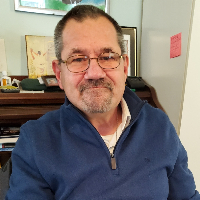
Steven Paro, LCSW
Licensed in New York 46 years in practice Sessions online
Licensed Clinical Social Worker - stress and trauma
Surnames under P in the A-Z of everyone listed
License on record
LCSW- LCSW, New York
- 021454
- NPI
- 1376650259 national provider identifier
- Years in practice
- 46
- Languages
- English
As listed on the therapist's public professional profile. Check any license with the state board and the NPI with the national registry.
About Steven
Licensed Clinical Social Worker in New York with 46 years of experience, Steven Paro helps people cope with stress, anxiety, addictions, trauma and abuse, depression, relationship and intimacy issues, grief, and a range of other concerns. He also addresses LGBT issues, self-esteem, eating and food-related concerns, parenting stress, anger, bipolar disorder, ADHD, and major life changes.
Sessions focus on the problems a person brings in and on practical steps to improve day-to-day functioning.
Background and approach
Steven uses straightforward, goal-oriented work. He draws on Client-Centered Therapy to listen and reflect what matters to each person. He uses Cognitive Behavioral Therapy to identify unhelpful thinking and change behavior.
He also applies Acceptance and Commitment Therapy, Dialectical Behavior Therapy, and Eye Movement Desensitization and Reprocessing when they fit the issue at hand. He has long experience with people affected by trauma and loss. That includes work with substance use disorders and grief.
He has also worked with people who feel disconnected from their spiritual or Christian values and wants to help them explore that concern without assuming a single approach. More recently he has provided services to people with neurodevelopmental differences and severe intellectual disabilities. He frames difficulties in concrete terms and looks for steps people can use in daily life.
The emphasis is on practical strategies, problem solving, and building on strengths the person already has. People who choose him can expect direct conversation about goals and next steps. To begin, users are asked to complete a short matching questionnaire and schedule a first session using the online therapy options button.
Focus areas and approaches
Everything Steven lists on their public professional profile, in their own terms.
- Stress, Anxiety
- Addictions
- Trauma and abuse
- Self esteem
- Depression
- LGBT
- Relationship issues
- Family conflicts
- Grief
- Intimacy-related issues
- Eating disorders
- Parenting issues
- Anger management
- Career difficulties
- Bipolar disorder
- Coping with life changes
- ADHD
- Abandonment
- Autism and Asperger Syndrome
- Caregiver issues and stress
- Co-morbidity
- Codependency
- Communication problems
- Coping with natural or human-caused disaster
- Dependent personality
- Disruptive Mood Dysregulation Disorder (DMDD)
- Dissociation
- Drug and alcohol addiction
- Eating and food-related issues
- Family of origin issues
- Forgiveness
- Guilt and shame
- Impulsivity
- Intellectual disability
- Life purpose
- Midlife crisis
- Mood disorders
- Obsessions, compulsions, and OCD
- Panic disorder and panic attacks
- Post-traumatic stress
- Process addiction (porn, exercise, gambling)
- Self-harm
- Sex addiction
- Smoking / vaping cessation
- Social anxiety and phobia
Approaches Steven names
- Acceptance and Commitment Therapy (ACT)
- Client-Centered Therapy
- Cognitive Behavioral Therapy (CBT)
- Dialectical Behavior Therapy (DBT)
- Eye Movement Desensitization and Reprocessing (EMDR)
- Mindfulness Therapy
- Motivational Interviewing
- Solution-Focused Therapy
- Trauma-Focused Therapy
Naming an approach is not evidence of training in it. This directory copies what each therapist lists and does not check training records.
Therapeutic approaches in online sessions
Client-Centered Therapy focuses on listening and reflecting what matters to the person. It helps clarify priorities and supports people in making their own decisions about change. Cognitive Behavioral Therapy looks at the link between thoughts, feelings, and behavior and teaches concrete techniques to reduce distress and change unhelpful patterns. Eye Movement Desensitization and Reprocessing addresses traumatic memories through a structured process that can reduce the intensity of those memories and their daily impact.Choosing the right approach is part of the work. The therapist will discuss goals, preferences, and what has or has not helped before. Together the person and the therapist decide which methods to try and when to adjust the plan based on progress and feedback.
The biography does not list specific session formats, so confirm current options before booking. Online sessions can make it easier to fit appointments into work or family schedules, allow shorter check-ins when time is limited, and let people avoid travel. Ask about session length and scheduling when you complete the short matching questionnaire and set up the first appointment.
We will earn a commission if you sign up through our link, at no cost to you. It does not change what you pay or the order of the listings.
Questions about Steven
What concerns does he commonly help with?
He works with stress, anxiety, addictions, trauma and abuse, depression, relationship and intimacy issues, grief, eating issues, bipolar disorder, ADHD, and related concerns.
What approaches does he use in sessions?
He uses Client-Centered Therapy, Cognitive Behavioral Therapy, Acceptance and Commitment Therapy, Dialectical Behavior Therapy, and EMDR when appropriate to the issue.
How much clinical experience does he have?
He has 46 years of experience working with depression, anxiety, substance use, trauma, grief, and related problems.
What licenses and location are listed?
He holds a New York LCSW and practices in New York.
Which languages are supported for sessions?
Sessions are offered in English.
What session formats are available?
The original biography does not specify session formats; please confirm current session options before booking.
How are fees and billing handled?
Cost varies with location and sessions use a subscription that can be canceled at any time.
How do I get started with therapy?
Use the See online therapy options button, complete the short matching questionnaire, and schedule a first session.
Before you start. This directory copies what each therapist lists and does not check licenses, training or availability. Confirm the license with the state board for the state you will be in during sessions.
If you are in crisis, call or text 988. In immediate danger, call 911.
Others licensed in New York
See all in New York
Kenton Curtis
LCSW
Licensed Clinical Social Worker - relationships and LGBT issues
- LGBT
- Relationship
- Family

Asma Alqahtani
LCSW
Licensed Clinical Social Worker - Stress and relationships
- Stress, Anxiety
- Relationship
- Self esteem

Malikah Z Shaheed
LCSW
Licensed Clinical Social Worker - Trauma and Addictions
- Addictions
- Family
- Trauma and abuse

Amannda Walworth
LCSW
Licensed Clinical Social Worker - Stress and Trauma
- Stress, Anxiety
- Family
- Trauma and abuse
Is this your profile?
Ask us to correct a detail or take the page down.
Contact us