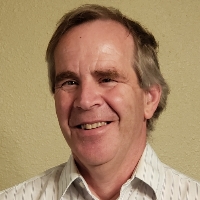
Robert Carroll, LCSW
Licensed in Wisconsin 30 years in practice Sessions online
Licensed Clinical Social Worker - Stress and Addiction
Surnames under C in the A-Z of everyone listed
License on record
LCSW- LCSW, Wisconsin
- 1759-123
- NPI
- 1487056693 national provider identifier
- Years in practice
- 30
- Languages
- English
As listed on the therapist's public professional profile. Check any license with the state board and the NPI with the national registry.
About Robert
Licensed Clinical Social Worker (LCSW) in Wisconsin with 30 years of experience, Robert Carroll helps people with stress, anxiety, addictions, relationship problems, depression, trauma and abuse, and related concerns. He also works with issues such as grief, intimacy, eating and sleeping problems, parenting strain, anger, self-esteem, career concerns, bipolar conditions, ADHD, compassion fatigue, and communication problems.
Robert uses a straightforward, conversational style in sessions. He listens to the problem a person brings and then helps identify small, practical steps they can try.
Background and approach
Conversations focus on what is happening now and what can change next. He draws on methods that help people build concrete skills for coping and decision making. His approach blends client-centered listening with cognitive tools that examine unhelpful thoughts and behaviors.
He also incorporates elements of dialectical behavior strategies and mindfulness to support emotional regulation and coping under stress. Motivational interviewing is used when someone is weighing change and needs help sorting options. Robert has worked across many concerns over three decades, so he often pulls from different ways of working to fit a person’s goals.
Sessions typically cover skill practice, problem solving, and guided discussion about patterns that keep causing trouble. He avoids stigmatizing labels and focuses on what a person wants to do differently. People who contact him are asked to describe their main concern and goals.
That first information helps shape a clear plan for coming sessions, including the skills and conversations they will focus on.
Focus areas and approaches
Everything Robert lists on their public professional profile, in their own terms.
- Stress, Anxiety
- Addictions
- Relationship issues
- Family conflicts
- Depression
- LGBT
- Trauma and abuse
- Grief
- Intimacy-related issues
- Eating disorders
- Sleeping disorders
- Parenting issues
- Anger management
- Self esteem
- Career difficulties
- Bipolar disorder
- Coping with life changes
- Compassion fatigue
- ADHD
- Communication problems
Approaches Robert names
- Client-Centered Therapy
- Cognitive Behavioral Therapy (CBT)
- Dialectical Behavior Therapy (DBT)
- Mindfulness Therapy
- Motivational Interviewing
- Solution-Focused Therapy
Naming an approach is not evidence of training in it. This directory copies what each therapist lists and does not check training records.
How his approaches translate to online sessions
Client-centered therapy is focused on careful listening and building a collaborative working relationship. Online sessions can recreate those conversations so the person’s concerns guide each meeting. Cognitive Behavioral Therapy (CBT) focuses on identifying unhelpful thoughts and testing small behavior changes. Online work often uses concrete worksheets, thought records, and step-by-step homework to practice skills between sessions. Dialectical Behavior Therapy (DBT) offers tools for managing strong emotions and improving interpersonal effectiveness. In an online setting, DBT skills training can be taught and reviewed with real-life examples people bring to sessions.Choosing the right method is part of the work. The therapist will discuss options with the client and together decide which approaches and exercises fit the person’s goals and preferences. That plan can be adjusted as needs change.
The biography does not list specific session formats, so confirm current options before booking. In general, online sessions can make it easier to fit meetings into a busy schedule, allow shorter check-ins when needed, and reduce travel time. They also let therapists share digital handouts and practice exercises between meetings. These practical benefits help people keep making progress while balancing everyday life.
We will earn a commission if you sign up through our link, at no cost to you. It does not change what you pay or the order of the listings.
Questions about Robert
What kinds of problems does he help with most often?
He works with stress, anxiety, addictions, relationship and family concerns, depression, trauma and abuse, grief, intimacy issues, eating and sleeping problems, parenting strain, anger, self-esteem, career concerns, bipolar conditions, ADHD, and communication problems.
What is his general therapy style and approach?
He combines client-centered listening with cognitive behavioral techniques, dialectical strategies, mindfulness, and motivational interviewing to teach practical skills and clarify choices.
How much clinical experience does he have?
He has 30 years of experience working as a psychotherapist and life coach with a wide range of concerns.
Which credentials and location are listed for this clinician?
He is a Licensed Clinical Social Worker (LCSW) licensed in Wisconsin.
Which languages are supported and can international clients work with him?
Sessions are offered in English and he accepts international clients.
What session formats are offered?
The original biography does not specify session formats; please confirm the current session options before booking.
How is cost handled for sessions?
Cost varies with location; sessions use a subscription that can be canceled at any time.
How do I begin working with him?
Choose the See online therapy options button, complete a short matching questionnaire, and schedule a first session.
Before you start. This directory copies what each therapist lists and does not check licenses, training or availability. Confirm the license with the state board for the state you will be in during sessions.
If you are in crisis, call or text 988. In immediate danger, call 911.
Others licensed in Wisconsin
See all in Wisconsin
Megan McDermott
LCSW
Licensed Clinical Social Worker - Addictions and Family Issues
- Addictions
- Relationship
- Family

Angela Kalsbeek
LCSW
Licensed Clinical Social Worker - Family and Parenting
- Stress, Anxiety
- Relationship
- Family

Heather Mattson
LCSW
Licensed Clinical Social Worker - relationships and mood
- Stress, Anxiety
- Relationship
- Trauma and abuse

Kim Lawrence
LCSW
Licensed Clinical Social Worker - mental health and trauma
- Stress, Anxiety
- Trauma and abuse
- Bipolar
Is this your profile?
Ask us to correct a detail or take the page down.
Contact us