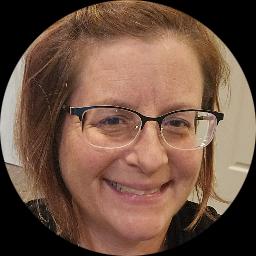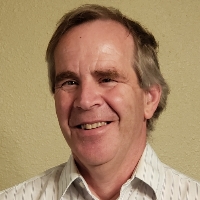
Megan McDermott
LCSW
Licensed Clinical Social Worker - Addictions and Family Issues
- Addictions
- Relationship
- Family
A directory of US therapists who hold an LCSW license
In crisis? Call or text 988LCSW license holders
106 clinical social workers in this directory are licensed in Wisconsin. Sessions are online, but a license covers one state, so check the license card on each profile if you will be somewhere else during sessions.
Welcome to our Wisconsin directory of online therapists who hold the Licensed Clinical Social Worker (LCSW) credential. All listed therapists are licensed in their state and hold an LCSW.
Explore profiles to learn about each clinician's focus areas, approaches, language skills, and experience to find a good fit for you.
LCSW
Licensed Clinical Social Worker - Addictions and Family Issues
LCSW
Licensed Clinical Social Worker - Family and Parenting
LCSW
Licensed Clinical Social Worker - relationships and mood
LCSW
Licensed Clinical Social Worker - mental health and trauma
LICSW, LCSW
Licensed Social Worker - Stress and Relationships
LCSW
Licensed Clinical Social Worker - Stress and Trauma
LCSW
Licensed Clinical Social Worker - Stress and Addictions
LCSW
Licensed Clinical Social Worker - Stress and Relationships
LCSW
Licensed Clinical Social Worker - Stress and Trauma
LCSW
Licensed Clinical Social Worker - Mood and Eating Concerns
LCSW
Licensed Clinical Social Worker - stress and relationships
LCSW
Licensed Clinical Social Worker - Trauma and mood concerns
LCSW
Licensed Clinical Social Worker - Stress and Addictions
LCSW
Licensed Clinical Social Worker - Grief and Relationships
LCSW
Licensed Clinical Social Worker - Stress and Trauma
LCSW
Licensed Clinical Social Worker - Mood and Relationships
LCSW
Licensed Clinical Social Worker - Stress and Trauma
LCSW
Licensed Clinical Social Worker - Anxiety and Trauma
LCSW
Licensed Clinical Social Worker - Stress and Trauma
LCSW
Licensed Clinical Social Worker - Stress and Trauma
LCSW
Licensed Clinical Social Worker - Anxiety and Family Concerns
LCSW
Licensed clinical social worker - relationships and life changes
LCSW, LICSW
Licensed clinical social worker - addiction and trauma
LCSW
Licensed clinical social worker - stress and LGBT
LCSW
Licensed Clinical Social Worker - stress and trauma
LCSW
Licensed Clinical Social Worker - Stress and Anxiety
LCSW
Licensed Clinical Social Worker - stress and relationships
LICSW, LCSW
Licensed Clinical Social Worker - Mood and family concerns
LCSW
Licensed clinical social worker - relationships and mood
LCSW
Licensed Clinical Social Worker - Stress and Addictions
LCSW
Licensed Clinical Social Worker - anxiety and trauma
LCSW
Licensed Clinical Social Worker - Addictions and Trauma
LCSW
Licensed Clinical Social Worker - Stress and Trauma care
LCSW
Licensed Clinical Social Worker - Stress and Trauma
LCSW, LMFT
Licensed Clinical Social Worker - relationships and mood
LCSW
Licensed clinical social worker - mood and addiction concerns
LCSW
Licensed Clinical Social Worker - Stress and Trauma
LCSW
Licensed Clinical Social Worker - Relationships and Family
LCSW
Licensed clinical social worker - anxiety and addictions
LCSW
Licensed Clinical Social Worker - Stress and Addictions
LCSW
Licensed Clinical Social Worker - Stress and Relationships
LCSW
Licensed Clinical Social Worker - stress and trauma
LMSW, LCSW
Licensed clinical social worker - stress and trauma
LCSW
Licensed Clinical Social Worker - Stress and Addiction
LCSW
Licensed Clinical Social Worker - Parenting and Mood Concerns
LCSW
Licensed Clinical Social Worker - mood and behavior issues
LCSW
Licensed Clinical Social Worker - stress and trauma
Some links on this page are partner links. We will earn a commission if you sign up through one, at no cost to you. It does not change what you pay or the order of the listings.
If you are considering online therapy with an LCSW in Wisconsin, it helps to know what that credential represents and how it fits into the online care landscape. An LCSW has completed a master of social work degree, a state-required period of supervised post-graduate clinical experience, and a clinical licensing examination. The license that an LCSW holds is issued by the state board and defines the scope of clinical practice for that professional. Many licensed clinical social workers in Wisconsin offer counseling and psychotherapy sessions delivered by video or phone so you can meet from home or another suitable place.
Social work training emphasizes a person-in-environment perspective, which means your clinician looks at your emotional life alongside your circumstances - housing, work, family, finances, community, and access to services. That broader lens can be valuable when you want help that recognizes how your environment shapes your experience. If you want online sessions with a licensed clinical social worker, you will often find that the description of an LCSW's work highlights both clinical skills and attention to systems and resources that affect daily life.
Online sessions with an LCSW can make it easier to fit care into a busy schedule, reduce travel time in areas where distances are long, and connect you with clinicians who understand your context. For people living in rural or small-town Wisconsin, virtual sessions reduce the need to commute long distances, and for those in urban areas, they can save time otherwise spent in traffic. The format also supports continuity across seasons and life changes when getting to an office in person may be difficult.
An LCSW's focus on the social and environmental aspects of a person’s life can be particularly useful when practical needs and systems play a role in the concerns you bring. Through an online encounter, an LCSW can work with you to address emotional challenges while also helping you think about resources or community supports that could make daily life more manageable. You should consider technical needs, your comfort with video or phone conversations, and a distraction-free environment when planning online sessions. Choosing a comfortable internet connection and a quiet space for conversations improves the experience for both you and the clinician.
Online LCSWs provide support for a wide range of life challenges and common mental health concerns. You can expect to find clinicians who list work with depression and anxiety, grief and loss, trauma, relationship struggles, parenting and family concerns, caregiving stress, and life transitions among their focus areas. Many also work with people navigating chronic health issues, employment changes, or the stresses of balancing caregiving responsibilities with other demands.
Because social work training looks beyond symptoms to consider the interactions between people and their environments, an LCSW often helps you explore practical steps alongside therapeutic conversation. That may mean discussing community resources, housing or financial stressors, legal or educational systems, or workplace dynamics when these areas affect your well-being. If you are dealing with an overlapping combination of emotional distress and real-world pressures, online sessions with an LCSW can allow you to address both aspects in an integrated way.
Before you rely on any clinician's credentials, it is reasonable to confirm that the license information is accurate and current. Wisconsin issues and renews LCSW licenses through its state licensing authority, and you can look up a license to confirm its active status. When you search a license record, check the license holder's name, license number if provided, status, and expiration date. The record will also note any disciplinary actions or public orders, which is relevant background information to review.
License verification is a straightforward step that helps you understand the formal standing of a clinician. Because licensing rules and scope of practice vary by state, confirming that an LCSW is licensed in Wisconsin is particularly important when you plan to meet online across state lines. If a clinician lists other state licenses, those appear in public records and can help you determine where they are authorized to provide clinical services. Keep in mind that the existence of a license indicates that the clinician met educational and supervised practice requirements and passed the licensing exam, but it does not describe how they work with clients in session or the kinds of approaches they list on their profiles.
When you are ready to reach out to a clinician, prepare a short summary of what you want help with, any relevant medical or medication information, and practical constraints such as preferred times or language needs. Think about the environment where you will take sessions and choose a quiet space where you can speak without interruptions. Test your internet connection, camera, and microphone in advance so technology issues are less likely to interfere with the first meeting. If you have questions about accessibility needs, ask about them early in the conversation so you and the clinician can plan accordingly.
Profiles of LCSWs typically include a description of focus areas, clinical interests, languages spoken, and professional background. Look for descriptions that resonate with the challenges you want to address, and pay attention to how a clinician describes their approach to practicing social work. You might prefer someone who emphasizes a systems-oriented perspective, community resources, or support for caregiving roles, depending on your circumstances. Clinicians often list therapeutic approaches they use; when that happens the listing reflects what they include among their methods rather than a guarantee of training in a specific model. It is sensible to prioritize match on focus areas, experience with relevant concerns, languages, and cultural competence over claims about modalities.
Finding the right clinician is often a process of assessing fit. Trust your sense of whether a clinician’s communication style, focus areas, and experience feel like a match for your needs. You may want to review multiple profiles to compare focus areas, approaches, credentials, languages, and years of experience. During an initial conversation, discuss how the clinician structures sessions, how they approach collaboration, and any practical arrangements such as fees, payment methods, and documentation. While you will not find outcome guarantees in a profile, a clear description of how a clinician works can help you decide whether to move forward.
Online therapy with an LCSW in Wisconsin can offer a flexible, accessible way to get help while keeping attention on both internal experience and external factors that influence your life. By verifying license status, considering the person-in-environment perspective, and reviewing profiles for focus areas and experience, you can take practical steps toward connecting with a clinician whose approach fits your needs.