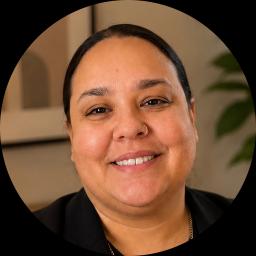
Karina Flores
LCSW
Licensed Clinical Social Worker - Stress and Relationships
- Stress, Anxiety
- Relationship
- Self esteem
A directory of US therapists who hold an LCSW license
In crisis? Call or text 988LCSW license holders
975 clinical social workers list chronic illness among the topics they work with. All offer sessions online, and every profile shows each state license and the NPI.
This directory lists licensed clinical social workers (LCSWs) across the United States who work with chronic illness. Browse the listings below to compare focus areas, approaches, credentials, and languages.
LCSW
Licensed Clinical Social Worker - Stress and Relationships
LCSW, CSW
Licensed Clinical Social Worker - Stress and Trauma
LCSW
Licensed Clinical Social Worker - Stress and Trauma
LCSW
Licensed Clinical Social Worker - Stress and Anxiety
LCSW
Licensed Clinical Social Worker - Mood and life transitions
LCSW
Licensed Clinical Social Worker - Trauma and Family Concerns
LCSW
Licensed Clinical Social Worker - Trauma and Addictions
LCSW
Licensed Clinical Social Worker - Addictions and Family Concerns
LCSW, LPCC
Licensed Clinical Social Worker - Stress and Parenting
LCSW
Licensed Clinical Social Worker - Grief and life change
LCSW
Licensed Clinical Social Worker - Stress and Trauma
LCSW, CSW
Licensed Clinical Social Worker - Stress and Addictions
LCSW, LISW-CP
Licensed Clinical Social Worker - Stress and Grief
LCSW
Licensed clinical social worker - mood and life changes
LCSW
Licensed clinical social worker - relationships and trauma
LCSW
Licensed Clinical Social Worker - Stress and Relationships
LMSW, LCSW, CSW
Licensed clinical social worker - relationships and coping
LCSW
Licensed Clinical Social Worker - Mood and Trauma
LCSW
Licensed Clinical Social Worker - Relationship and Stress
LCSW
Licensed Clinical Social Worker - Stress and Addictions
LCSW, CSW
Licensed Clinical Social Worker - mood and trauma
LCSW
Licensed Clinical Social Worker - Stress and Addictions
LCSW
Licensed Clinical Social Worker - Stress and Life Changes
LCSW
Licensed Clinical Social Worker - Mood and life transitions
LCSW, CSW
Licensed Clinical Social Worker - Stress and Trauma
LCSW
Licensed Clinical Social Worker - Addictions and Trauma
LCSW
Licensed Clinical Social Worker - stress and trauma
LCSW
Licensed Clinical Social Worker - grief and life changes
LCSW
Licensed Clinical Social Worker - stress and anxiety
LCSW
Licensed clinical social worker - mood and transitions
LCSW
Licensed Clinical Social Worker - grief and life changes
LCSW
Licensed Clinical Social Worker - Stress and Relationships
LCSW
Licensed Clinical Social Worker - Stress and Career
LCSW
Licensed Clinical Social Worker - Stress and Trauma
LCSW
Licensed clinical social worker - stress and relationships
LCSW, CSW
Licensed Clinical Social Worker - Mood and relationship issues
LCSW
Licensed Clinical Social Worker - mood and stress issues
LCSW
Licensed social worker - stress and trauma
LCSW
Licensed Clinical Social Worker - mood and identity
LCSW, LICSW
Licensed clinical social worker - stress and anxiety
LCSW
Licensed Clinical Social Worker - Stress and Relationships
LCSW
Licensed Clinical Social Worker - mood and life transitions
LCSW
Licensed Clinical Social Worker - Stress and Anxiety
LCSW
Licensed Clinical Social Worker - Stress and Mood
LCSW
Licensed Clinical Social Worker - Relationships and Mood
Some links on this page are partner links. We will earn a commission if you sign up through one, at no cost to you. It does not change what you pay or the order of the listings.
Chronic illness refers to health conditions that persist over months or years and shape a person’s daily routines, relationships, work, and financial life. Some conditions cause fluctuating symptoms and unpredictable flare-ups, while others lead to progressive limitations. Living with a long-term health condition often means managing medical appointments, treatment plans, symptom monitoring, and the practical tasks of daily living alongside emotional responses such as grief, frustration, anxiety, and loss of identity. Symptoms can affect energy, sleep, concentration, and mobility, and many people find that the social and economic impacts - changes to employment, caregiving roles, housing, and access to care - are as significant as physical symptoms.
When chronic illness intersects with mental health, it can compound stress and reduce quality of life. A licensed clinical social worker brings professional expertise in assessing and addressing the full picture of a person’s circumstances. Social work training emphasizes a person-in-environment perspective, which means an LCSW looks at how housing, work, family, finances, community supports, and access to healthcare interact with an individual’s internal experience. That broader lens can be especially useful when illness affects multiple areas of life and when practical problem-solving and system navigation are needed alongside emotional support.
You might consider speaking with an LCSW if the demands of a chronic health condition are interfering with your ability to manage day-to-day tasks or to feel emotionally balanced. Common indicators include persistent anxiety or low mood related to diagnosis or prognosis, difficulty adapting to changes in work or family roles, trouble maintaining relationships, or ongoing stress about medical decision-making and care coordination. You may also notice increased isolation, difficulty sleeping, or patterns of activity avoidance that reduce your quality of life.
Practical concerns often point people toward social work support as well. If you are struggling with transportation to appointments, insurance questions, accessing community resources, employer accommodations, or planning for care needs, an LCSW can combine clinical support with knowledge of systems and resources. People who experience frequent hospitalizations, prolonged recovery, or complex care plans sometimes benefit from an LCSW’s help with coping strategies, communication with medical teams, and arranging supports in the community. Seeking help does not mean your condition is worsening in a medical sense; it often means you are looking for tools to live better alongside the illness.
When you begin working with an LCSW for chronic illness, the first sessions typically focus on understanding your story and the concrete ways the illness affects your life. Expect a thorough discussion of your medical history as it relates to your emotional and functional concerns, along with questions about your living situation, support network, work, and financial stressors. An LCSW will usually ask about current coping strategies and any previous experiences with counseling, and will work with you to set practical goals that reflect both emotional needs and everyday realities.
Sessions often blend emotional processing with problem-solving and planning. You may spend time addressing grief, identity shifts, or anxiety while also developing strategies for symptom management, pacing activities, communicating with family or employers, and accessing community resources. LCSWs can assist with advocacy tasks such as preparing for medical appointments, clarifying care wishes, or navigating paperwork. Over time, sessions are likely to adapt as your needs change - during a flare you may focus on symptom coping and practical supports, while during stable periods you might work on long-term goals and resilience.
Licensed clinical social workers use a range of approaches to support people with chronic health conditions, and many list multiple methods among their approaches. Cognitive behavioral strategies are commonly cited for addressing worry, managing pain-related thoughts, and improving sleep. Mindfulness-based methods are often used for grounding during symptom flare-ups and for reducing stress. Acceptance-oriented approaches can help you navigate life changes when symptoms are persistent or unpredictable. Behavioral strategies for activity pacing and energy conservation are frequently described in the context of chronic fatigue or pain.
Because social workers emphasize the interaction between person and environment, many LCSWs incorporate system-focused work into their practice. That means attending to family dynamics, workplace needs, community resources, and steps to improve access to care. You may find therapists who list trauma-informed care, health behavior change, or support for caregiver relationships among their approaches. It is important to remember that a listed approach signals the clinician’s interest or experience in that area; profiles show what an LCSW highlights, rather than a certification. When reviewing profiles, focus on how approach descriptions align with your goals, whether emotional coping, symptom management, or help navigating services.
Online sessions can be especially practical for people managing chronic illness because they reduce travel time, allow participation during limited energy windows, and make it easier to include family members or medical providers when appropriate. Virtual appointments are typically conducted via video or phone and may incorporate text-based messaging for scheduling and brief check-ins. Technology requirements are usually minimal - a smartphone, tablet, or computer with internet access - but it helps to have a quiet, comfortable place to talk. If mobility or pain is a concern, online sessions can let you attend from home or another familiar setting and can be scheduled during times of relative symptom stability.
When choosing an LCSW for chronic illness, consider several practical factors that matter to your experience. Look for therapists who explicitly list chronic illness, medical trauma, disability, or caregiving among their focus areas if those match your concerns. Note the languages spoken and any experience described with particular conditions or populations similar to yours. Pay attention to the LCSW’s state licensure listed on their profile, since licensing is issued by state boards and scope of practice varies by state. Also consider whether you prefer clinicians who emphasize problem-solving and resource navigation alongside emotional support, or those who highlight acceptance and coping strategies. Before a first session, it can be helpful to prepare a brief summary of your medical timeline, current medications, and the main practical challenges you want to address so the LCSW can use initial time efficiently.
Choosing a clinician is a personal decision. Look for explanations in profiles about how an LCSW integrates the person-in-environment perspective into their work, because this orientation often makes social work a good fit when social, financial, or systemic issues are central to the challenges you face. Reviewing the approaches and focus areas that LCSWs list will help you identify professionals whose descriptions align with your priorities for emotional support, symptom management, and practical problem-solving.
Credentials matter because they indicate a level of education, supervised experience, and state licensure. An LCSW holds a master’s degree in social work, has completed a state-set period of supervised post-graduate clinical experience, and has passed a clinical licensing examination. Beyond that foundation, fit depends on the therapist’s communication style, cultural understanding, and ability to address the specific ways chronic illness affects your life. Profiles can help you compare focus areas, approaches, credentials, and languages, giving you the information needed to make a thoughtful choice.
As you explore listings, gather information about an LCSW’s stated focus areas and approaches and consider how they match your goals. Think about the practical elements you need - for example, clinicians who offer online sessions, experience coordinating with medical teams, or familiarity with disability-related resources. Preparing a short summary of your challenges and what you hope to gain from therapy can make early sessions more productive. Over time, you and the LCSW can adjust the focus of work to respond to changing medical or life circumstances, building strategies that help you live as fully as possible while managing chronic illness.
Finding help for chronic illness is often a gradual process, and an LCSW can be a partner who addresses both emotional needs and the practical systems that shape daily life. Use the directory to compare profiles and identify licensed clinicians whose descriptions align with the support you want to pursue.