LCSW license holders
Clinical social workers who list Career
1,851 clinical social workers list career among the topics they work with. All offer sessions online, and every profile shows each state license and the NPI.
On this page you will find licensed clinical social workers (LCSW) who list career as a specialty, addressing workplace stress, transitions, vocational identity, and related concerns. Browse the listings below to explore each clinician's focus areas, approaches, languages, and professional experience.

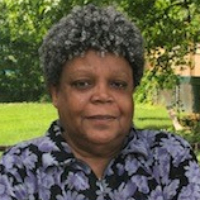
Delores Smith
LCSW
Licensed Clinical Social Worker - Relationships and Stress
- Career
- Stress, Anxiety
- Relationship

Karina Flores
LCSW
Licensed Clinical Social Worker - Stress and Relationships
- Career
- Stress, Anxiety
- Relationship


Kenton Curtis
LCSW
Licensed Clinical Social Worker - relationships and LGBT issues
- Career
- LGBT
- Relationship

Dr. Lawana Mabry
LCSW
Licensed Clinical Social Worker - Trauma and Life Changes
- Career
- Stress, Anxiety
- Anger

Paul Clark
LICSW, LCSW
Licensed Clinical Social Worker - Stress and Relationships
- Career
- Stress, Anxiety
- Relationship

Jason Radosevich
LCSW
Licensed Clinical Social Worker - anxiety and relationships
- Career
- Stress, Anxiety
- Family

Consuela Brown
LCSW
Licensed Clinical Social Worker - Relationships and Trauma
- Career
- Stress, Anxiety
- Relationship

Leticia Reed
LCSW
Licensed Clinical Social Worker - Trauma and Family Concerns
- Career
- Stress, Anxiety
- Trauma and abuse

Angelica Ventresca
LCSW
Licensed Clinical Social Worker - Stress and Anxiety
- Career
- Stress, Anxiety
- Parenting

Dr. Dr. Antonio Champion
LCSW
Licensed Clinical Social Worker - Stress and Anxiety
- Career
- Stress, Anxiety
- LGBT

Pamela Sigman
LCSW
Licensed clinical social worker - stress and career support
- Career
- Stress, Anxiety
- Relationship

Mary Jennifer Meister
LCSW
Licensed Clinical Social Worker - trauma and mood concerns
- Career
- Trauma and abuse
- Coping with life changes

Zalman (Samuel) Nelson
LCSW
Licensed Clinical Social Worker - Relationships and Addictions
- Career
- Stress, Anxiety
- Addictions

Michael Perkins
LCSW
Licensed Clinical Social Worker - relationships and life changes
- Career
- Relationship
- Family


Adrienne Blume
LICSW, LCSW
Licensed Clinical Social Worker - Career and Life Changes
- Career
- Coping with life changes
- Coaching


Kathryn Osterbrook
LCSW
Licensed Clinical Social Worker - Family and Parenting
- Career
- Family
- Parenting
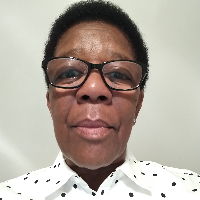
Eunice Banks
LMSW, LCSW, CSW
Licensed clinical social worker - relationships and coping
- Career
- Stress, Anxiety
- LGBT

Elroy Brown
LCSW
Licensed Clinical Social Worker - Relationship and Stress
- Career
- Stress, Anxiety
- Relationship
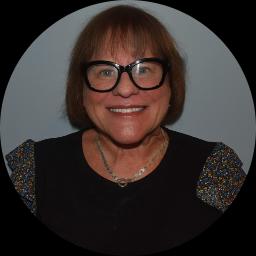
Teresa 'Terri" Dawe
LCSW
Licensed Clinical Social Worker - Relationship and Family
- Career
- Relationship
- Family

Dala Hemeyer
LCSW
Licensed Clinical Social Worker - Stress and Anxiety
- Career
- Stress, Anxiety
- Self esteem

Karja Cope
LCSW
Licensed clinical social worker - relationships and parenting
- Career
- Relationship
- Parenting

Janet Atkinson
LCSW
Licensed Clinical Social Worker - Relationship and Trauma
- Career
- Relationship
- Trauma and abuse

Hector Lopez
LCSW
Licensed Clinical Social Worker - stress and trauma
- Career
- Stress, Anxiety
- Trauma and abuse

Angelia Everett
LCSW
Licensed Clinical Social Worker - Relationships and Career
- Career
- Relationship
- Family

Christopher "Chris" Noll
LCSW
Licensed Clinical Social Worker - grief and life changes
- Career
- Grief
- Anger

Deitra Jones
LCSW
Licensed Clinical Social Worker - Stress and Addictions
- Career
- Stress, Anxiety
- Addictions

James Homerding
LCSW
Licensed Clinical Social Worker - Stress and Relationships
- Career
- Stress, Anxiety
- Relationship

Hanna Soliman
LCSW
Licensed Clinical Social Worker - mood and relationship concerns
- Career
- Stress, Anxiety
- Relationship

Lona Champagne
LCSW, LISW
Licensed Clinical Social Worker - relationships and life changes
- Career
- Relationship
- Family

Dr. Gregory "Lynn" Jones
LCSW
Licensed Clinical Social Worker - stress and parenting
- Career
- Stress, Anxiety
- Parenting

Tina Johnson
LCSW
Licensed Clinical Social Worker - stress and relationships
- Career
- Stress, Anxiety
- Relationship

Kierstin Berggren
LCSW
Licensed Clinical Social Worker - Stress and Anxiety
- Career
- Stress, Anxiety
- Anger

Diana Boscovich
LCSW
Licensed Clinical Social Worker - Stress and Anxiety
- Career
- Stress, Anxiety
- Grief

Rodney Black
LCSW, LISW
Licensed Clinical Social Worker - Addictions and Trauma
- Career
- Addictions
- LGBT


Jolanna Watson Brown
LCSW
Licensed Clinical Social Worker - Stress and Career
- Career
- Stress, Anxiety
- Depression

Marlo Lewis
LCSW
Licensed Clinical Social Worker - stress and relationships
- Career
- Stress, Anxiety
- Relationship


Eugenia Patru
LMSW, LCSW
Licensed Clinical Social Worker - Stress and Relationships
- Career
- Stress, Anxiety
- Addictions

Allison Middleton
LCSW
Licensed Clinical Social Worker - Stress and Anxiety
- Career
- Stress, Anxiety
- Self esteem

Margaret Couch
LCSW
Licensed Clinical Social Worker - mood and stress issues
- Career
- Stress, Anxiety
- Parenting

Bruce Wlosinski
LCSW
Licensed Clinical Social Worker - life changes and stress
- Career
- Self esteem
- Depression
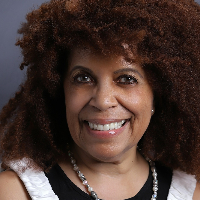
Beatrice "Faith" Berry
LCSW, CSW
Licensed Clinical Social Worker - Relationships and Life Transitions
- Career
- Stress, Anxiety
- Relationship

Some links on this page are partner links. We will earn a commission if you sign up through one, at no cost to you. It does not change what you pay or the order of the listings.
What we mean by career concerns and how they affect you
Career-related issues are more than a single decision about a job. When you think about career concerns, you are considering how work fits with your life circumstances, values, finances, relationships, health, and sense of purpose. For many people the workplace is a major context for daily experience - it provides income, social contact, routine, and a sense of competence - so changes or stress at work ripple into other areas of life. An LCSW brings a person-in-environment perspective that looks at those external circumstances alongside your internal responses. That perspective helps you explore how housing, caregiving responsibilities, community resources, commute, schedule, and workplace culture interact with your motivation, confidence, energy, and mood.
Career questions often appear during transitions like a job loss, promotion, relocation, role change, or return from leave. They also surface as ongoing frustration - chronic burnout, conflict with supervisors or coworkers, uncertainty about a career path, or difficulty making work align with personal values. Cultural identity, immigration status, caregiving roles, and access to professional networks shape the options you see and the supports available. An LCSW's training in systems and social context can help you name those external constraints and identify practical steps within them so your career decisions feel more grounded and realistic.
Signs you might benefit from career-focused work with an LCSW
You might consider career-focused support if work-related issues are causing persistent stress, anxiety, or uncertainty that affects your day-to-day functioning. If you notice frequent exhaustion, trouble concentrating on tasks, difficulty sleeping because of work worries, or repeated conflict with supervisors or colleagues, those are common signs that professional conversation could be helpful. You may also feel stalled - unsure how to move toward a promotion, pivot into a new field, or reenter the workforce after a break. For some people the trigger is a major event such as a layoff or workplace harassment. For others it is a slow erosion of engagement and meaning.
Beyond emotional signs, there are practical indicators. If you are repeatedly making choices that leave you financially unstable or compromising important relationships, it can be useful to work with someone who considers both the personal and environmental factors in play. Likewise, if systemic barriers - such as discrimination, lack of childcare, or difficulty accessing training - are limiting your options, an LCSW can help you map community resources and realistic steps while also addressing how those constraints affect your sense of agency and well-being.
What to expect in sessions with a licensed clinical social worker for career issues
When you begin career-focused work with a therapist who holds an LCSW, you can expect an assessment that covers both your internal experience and your external circumstances. Early conversations typically explore your work history, current stressors, personal and financial priorities, family responsibilities, and any systemic barriers that affect decision-making. The LCSW will also want to understand your values and long-term goals so that short-term problem-solving aligns with bigger-picture aims.
Therapy sessions often balance practical planning with emotional processing. You might spend time developing concrete action steps like updating a resume, planning a timeline for a job search, or practicing boundary-setting conversations. At the same time, sessions allow space to examine underlying patterns - for example, perfectionism, fear of failure, or difficulty asserting needs - that influence work behavior. Because social work training emphasizes the person-in-environment view, expect discussions that connect workplace dynamics to housing, family obligations, financial pressures, and community supports. Progress tends to mix skill-building, strategy, and reflection so you can test new approaches in the real world and adapt as needed.
Approaches you may encounter and how online sessions work for this specialty
Approaches you may encounter
Therapists listed here hold an LCSW credential and may describe a range of approaches on their profiles. You may see clinicians who list cognitive behavioral strategies aimed at managing stress and improving problem-solving, solution-focused methods that emphasize concrete goals and steps, narrative or meaning-centered work that helps you reframe career identity, and trauma-informed perspectives that attend to how past experiences affect workplace functioning. Because employment decisions often involve practical barriers, some LCSWs integrate career counseling elements such as job search planning, interview preparation, and navigating workplace systems. When a therapist's profile mentions a specific method, that indicates they include that approach among their tools rather than asserting formal certification.
How online sessions work for career-focused work
Online sessions with an LCSW typically mirror in-person work in structure - regular meetings, an initial intake, and ongoing coordination around goals - while using video, phone, or messaging technology to connect. For career topics, remote sessions can be especially convenient because they let you fit conversation into break times, commute windows, or evenings without travel. You may practice interviews or role-play boundary-setting with the convenience of being in your own home. Remote work also makes it easier to connect with clinicians across state lines when you are looking for a particular language, lived experience, or focus area, though licensing rules vary by state. Be prepared to talk about logistics - your preferred meeting length, how you'll share documents like resumes or cover letters, and what to do if a session is interrupted. Many people appreciate the flexibility online formats provide when juggling work and family demands.
Choosing a therapist who holds an LCSW for career support
Choosing the right therapist is a personal process and it helps to focus on what matters to you. Start by looking at focus areas - do you need help with workplace stress, a career pivot, leadership development, or returning to work after a break? Notice whether profiles mention experience with populations or situations that match yours, such as early-career professionals, executives, parents reentering the workforce, or people navigating discrimination. Compare the approaches therapists list - some emphasize short-term problem-solving while others lean toward deeper identity work. Also consider practical factors like language, whether sessions are offered during times you can attend, and whether the clinician lists experience with the state rules and systems that matter to you.
When you connect in a first conversation, you might ask about the clinician's experience working with career and workplace issues, how they integrate practical planning with emotional support, and what kind of collaboration you can expect around goals. It is reasonable to discuss fees, insurance, session length, and cancellation policies so you can plan accordingly. Remember that the listings on this site show licensed clinical social workers who hold an LCSW credential; they reflect the credential and the approaches a clinician lists rather than guaranteed outcomes. By focusing on fit - the clinician's focus areas, approaches they list, languages, and experience - you can find someone whose background aligns with the work you want to do and who can help you move forward in your career with clearer options and practical steps.