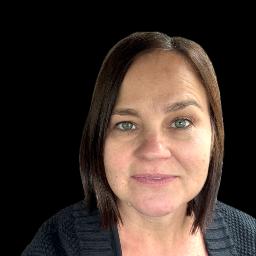
Karina Flores
LCSW
Licensed Clinical Social Worker - Stress and Relationships
- Bipolar
- Stress, Anxiety
- Relationship
A directory of US therapists who hold an LCSW license
In crisis? Call or text 988LCSW license holders
1,352 clinical social workers list bipolar among the topics they work with. All offer sessions online, and every profile shows each state license and the NPI.
Explore profiles of licensed clinical social workers (LCSWs) who list bipolar among their specialties. Browse the listings below to review approaches, experience, languages, and practice details as you narrow your search.
LCSW
Licensed Clinical Social Worker - Stress and Relationships
LCSW
Licensed Clinical Social Worker - stress and relationships
LCSW
Licensed Clinical Social Worker - Stress and Trauma
LCSW
Licensed Clinical Social Worker - anxiety and relationships
LCSW
Licensed Clinical Social Worker - Mood and relationships
LCSW
Licensed Clinical Social Worker - trauma and mood concerns
LCSW
Licensed Clinical Social Worker - relationships and life changes
LCSW
Licensed clinical social worker - mood and life changes
LCSW
Licensed Clinical Social Worker - Anxiety and Trauma
LCSW
Licensed Clinical Social Worker - Mood and Stress
LMSW, LCSW, CSW
Licensed clinical social worker - relationships and coping
LCSW
Licensed Clinical Social Worker - Relationship and Stress
LCSW, LPC
Licensed Clinical Social Worker - Stress and Family Issues
LCSW, CSW
Licensed Clinical Social Worker - mood and trauma
LCSW
Licensed Clinical Social Worker - Relationship and Trauma
LCSW
Licensed Clinical Social Worker - stress and trauma
LCSW
Licensed Clinical Social Worker - Stress and Addictions
LCSW
Licensed Clinical Social Worker - mood and relationship concerns
LCSW
Licensed Clinical Social Worker - stress and identity support
LCSW, CSW
Licensed Clinical Social Worker - Mood and relationship issues
LCSW
Licensed Clinical Social Worker - mood and stress issues
LCSW
Licensed Clinical Social Worker - life changes and stress
LCSW
Licensed Clinical Social Worker - stress and relationships
LCSW
Licensed clinical social worker - stress and mood care
LCSW
Licensed clinical social worker - mood and trauma
LCSW
Licensed Clinical Social Worker - mood and trauma
LCSW
Licensed Clinical Social Worker - Trauma and Mood Concerns
LCSW, LISW
Licensed Clinical Social Worker - Women's mental health
LCSW, CSW
Licensed Clinical Social Worker - Mood and trauma
LCSW
Licensed Clinical Social Worker - mood and life transitions
LCSW, CSW
Licensed Clinical Social Worker - relationships and addictions
LCSW
Licensed clinical social worker - stress and anxiety
LCSW
Licensed Clinical Social Worker - stress and mood concerns
LCSW
Licensed Clinical Social Worker - stress and relationships
LCSW
Licensed Clinical Social Worker - Addictions and Mood Concerns
LCSW
Licensed Clinical Social Worker - Stress and Mood
LCSW
Licensed Clinical Social Worker - Relationships and Anxiety
LCSW
Licensed Clinical Social Worker - Mood and Trauma
LCSW
Licensed social worker - trauma and relationships
LCSW
Licensed clinical social worker - mood and addiction concerns
LCSW
Licensed Clinical Social Worker - addictions and relationships
LCSW
Licensed Clinical Social Worker - trauma and anxiety
LCSW
Licensed Clinical Social Worker - Trauma and Addiction
Some links on this page are partner links. We will earn a commission if you sign up through one, at no cost to you. It does not change what you pay or the order of the listings.
Bipolar condition refers to patterns of mood changes that include episodes of elevated mood and episodes of low mood. You may hear terms like manic, hypomanic, or depressive used to describe these swings. For many people, mood shifts affect energy, sleep, concentration, decision-making, and relationships. Those periods of elevated mood can bring increased activity, faster thoughts, reduced need for sleep, or impulsive behavior. Depressive episodes often involve low energy, loss of interest in usual activities, slowed thinking, and difficulty carrying out daily tasks. The experience varies widely from person to person, and it can change over time.
When you look for an LCSW, it helps to know what that credential means. An LCSW holds a master’s degree in social work, has completed a state-set period of supervised post-graduate clinical experience - commonly two to three years and several thousand hours depending on where they practice - and has passed a clinical licensing examination. The license is issued and renewed by an individual state board, so titles and scope of practice vary across states. Social work training emphasizes a person-in-environment perspective, which means an LCSW will typically consider your circumstances - housing, work, family, finances, community, and access to care - alongside your internal experience rather than treating you in isolation. That broader lens can be especially useful when bipolar symptoms intersect with social or practical challenges.
If you are noticing patterns of mood change that interfere with daily life, it may be helpful to explore therapy with an LCSW who lists bipolar as a focus. You might be considering support because mood swings are disrupting your work, relationships, or sleep, or because episodes are becoming more frequent or more intense. Therapy can also be useful if you want help developing strategies for managing symptoms, making decisions about treatment options in collaboration with a prescriber, improving relationship patterns that follow mood shifts, or addressing stressors that seem to trigger episodes.
You may also seek therapy for practical reasons such as navigating disability paperwork, coordinating care with other providers, or addressing housing and employment obstacles that complicate symptom management. Because social workers are trained to assess both internal experiences and environmental factors, an LCSW can help you explore how life circumstances interact with mood and what changes might reduce stress or promote stability. If you are uncertain whether therapy could help, an initial conversation with a licensed clinical social worker can clarify goals and possible next steps without committing you to a long course of treatment.
When you begin sessions with an LCSW, the early meetings are typically focused on assessment and establishing goals. You can expect to talk about your mood history, any past diagnoses or treatments, current stressors, sleep and daily routines, relationships, and how symptoms affect your functioning. An LCSW will often ask about the context around mood episodes - life events, work demands, substance use, and supports - because social work practice emphasizes how environment shapes experience.
After an initial assessment, you and your clinician will outline areas to work on. That plan might include mood monitoring, coping strategies for managing high-energy or low-energy periods, communication skills for stabilizing relationships, and problem-solving around practical barriers. Sessions can vary in pace and focus based on your needs - some people prioritize symptom management and stabilization, while others focus on returning to work, rebuilding relationships, or managing co-occurring concerns such as anxiety or substance use. An LCSW can also coordinate with prescribers, case managers, or community resources when relevant, and can help you think through social supports and practical arrangements that support stability.
There is no single approach that defines social work practice, and LCSWs bring a range of methods to their work. Many of the clinicians you will find list approaches such as cognitive-behavioral strategies, interpersonal-focused work, or mood stabilization skills among their approaches. When you read profiles, look for phrasing that reflects this reality - for example, therapists who list cognitive-behavioral techniques among their approaches or therapists who list interpersonal approaches among their approaches. That language indicates the clinician includes those methods in their practice, but it does not imply a certification or a guarantee of outcomes.
In practice, LCSWs often combine symptom-focused strategies with attention to the real-world circumstances that affect mood. You might work on identifying distressing thought patterns during depressive episodes, then pair that work with concrete plans for daily routines, sleep hygiene, or relapse prevention. During elevated mood periods, sessions may focus on impulse management, pacing activity, and protecting relationships. Because social workers are trained in systems thinking, an LCSW may also devote time to connecting you with community supports, helping with vocational or housing issues that influence mental health, or working with family members when appropriate. This blending of clinical techniques and social context is a distinguishing feature of the LCSW role.
Online sessions with an LCSW follow many of the same clinical steps as in-person work: assessment, goal-setting, skill-building, and review. Virtual meetings can make it easier to fit therapy into busy schedules, and they allow you to connect with clinicians across geographic distance, which may expand your options for language, specialization, or experience. When you choose online care, consider practical details such as the platforms a clinician uses, session length and frequency, and whether they list telehealth among their approaches. Keep in mind that state licensing matters - an LCSW’s license is issued by a state board, and scope of practice varies by state, so clinicians typically practice under the rules of the state where they hold a license.
Begin by thinking about what matters most to you in care. Some people prioritize clinicians with experience working with bipolar-related issues, while others look for shared language, cultural background, or experience with particular life challenges. When you review profiles, compare focus areas, approaches, credentials, languages, and years of experience to get a sense of fit. Pay attention to whether a clinician highlights coordination with prescribers or community resources if that is important to you. Because social work emphasizes a person-in-environment perspective, an LCSW may be particularly helpful if your needs include both symptom work and practical case management concerns.
It can also help to think about session goals and the style of care you prefer. If you want structured skill-building, look for clinicians who list cognitive or skills-based approaches among their approaches. If you need broader support that addresses housing, employment, or family systems, an LCSW’s training in social systems may align with those needs. Finally, consider logistics such as language match and whether the clinician notes experience with your age group or life stage. These factors often matter more to a good fit than any one label, and focusing on them can help you find an LCSW whose practice matches the work you want to do.
Choosing an LCSW to support bipolar care is a personal decision. You can use the listings below to read clinician profiles, learn about their stated approaches and experience, and find options that match your priorities. A thoughtful match between your needs and a clinician’s focus can make therapy a more practical and meaningful part of your path forward.