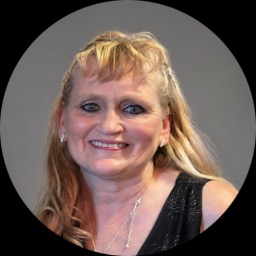
Shelly Carbo
LCSW
Licensed Clinical Social Worker - Relationships and Parenting
- Relationship
- Parenting
- Anger
A directory of US therapists who hold an LCSW license
In crisis? Call or text 988LCSW license holders
9 clinical social workers in this directory are licensed in North Dakota. Sessions are online, but a license covers one state, so check the license card on each profile if you will be somewhere else during sessions.
Welcome to the North Dakota directory for Licensed Clinical Social Workers (LCSWs). All therapists listed here hold a state license to practice clinically in the United States.
Browse the profiles below to learn about each clinician's background, focus areas, approaches, languages, and experience to find a professional who may match your needs.
LCSW
Licensed Clinical Social Worker - Relationships and Parenting
LCSW
Licensed Clinical Social Worker - Stress and Trauma
LCSW
Licensed Clinical Social Worker - Addictions and Relationships
LCSW
Licensed Clinical Social Worker - Adult concerns
LCSW, LICSW
Licensed Clinical Social Worker - Stress and Trauma
LCSW
Licensed Clinical Social Worker - stress and grief
LCSW
Licensed Clinical Social Worker - Trauma and Anxiety
LCSW, LICSW
Licensed Clinical Social Worker - Stress and Grief
LCSW
Licensed Clinical Social Worker - Addiction and Anxiety
Some links on this page are partner links. We will earn a commission if you sign up through one, at no cost to you. It does not change what you pay or the order of the listings.
Online therapy has grown into a widely used option across North Dakota, including for residents who live in small towns, on reservations, and in larger cities. Licensed Clinical Social Workers - professionals who completed a master of social work, a state-set period of supervised post-graduate clinical experience, and a clinical licensing examination - provide many of those services. On this directory you will find therapists who hold an LCSW and who list online sessions among their service formats. The number and types of clinicians offering virtual sessions vary over time, but the common thread is that each profile here names a clinician with the LCSW credential and details you can use to decide whether to pursue a connection.
When you consider online therapy in North Dakota, keep in mind that state licensing governs clinical practice. That means an LCSW licensed by the state is authorized to use the title and to practice according to North Dakota regulations. If you live in a remote part of the state, want to avoid winter travel, or need greater scheduling flexibility, an online session with an LCSW can make it easier to maintain regular contact with a mental health professional who understands the interplay between your personal experience and the environmental factors that shape it.
Online therapy can offer practical advantages for many people in North Dakota. You may save time that would otherwise be spent commuting, and you can access clinicians who practice from different parts of the state without the need for long drives. For people juggling work, family, or caregiving responsibilities, the flexibility of remote sessions often makes it easier to keep appointments. Weather in North Dakota can be unpredictable; virtual sessions remove the uncertainty of travel in harsh conditions.
Beyond logistics, receiving services from an LCSW online preserves the profession's person-in-environment perspective. That perspective means the clinician considers your housing, employment, family relationships, financial pressures, community connections, and access to services alongside your internal experience. When you work with an LCSW remotely, they can still take that broader view, helping you address problems in the context of your actual circumstances. If you are hoping to coordinate care with other local supports - such as school personnel, community agencies, or primary care providers - many LCSWs are experienced in working across systems and can advise on practical steps while working remotely.
Therapists who hold an LCSW often help with a wide range of life challenges and mental health concerns. You will commonly see clinicians listing experience with anxiety, depression, relationship difficulties, grief, trauma, and stress related to work or caregiving. Many LCSWs also support people coping with life transitions such as parenting changes, relocation, military separation, or retirement. Because social work emphasizes the interaction between people and their environments, LCSWs frequently address practical issues that affect well-being, including housing instability, employment setbacks, access to community resources, and coordination with social supports.
In rural and frontier areas of North Dakota, online sessions with an LCSW can be particularly helpful when local services are limited. An LCSW can help you think through how social and economic factors influence your concerns and can work with you on goals that blend emotional coping and practical problem solving. If language or cultural understanding is important to you, profiles often note the languages a clinician speaks and any experience they list with specific communities, age groups, or life stages. Use those details to find someone whose background aligns with your priorities.
Verifying licensure is an important step when you are evaluating any clinician. In North Dakota you can confirm a license through the state licensing board that issues social work credentials. A license verification will typically show that the clinician holds the LCSW credential, the current status of that license, any public disciplinary actions, and the license expiration date. Many state boards offer an online lookup tool where you can search by name or license number, and they provide contact information if you prefer to speak with a staff member.
When you review a license record, note the exact title and the issuing authority. Licensed Clinical Social Worker is a specific credential with requirements that include graduate social work education and documented supervised clinical experience. Names that look similar - for example, other social work designations that differ by state or level of practice - are not the same as an LCSW. If you have questions about what a license record means, the state board can explain the terminology and the scope of practice associated with that credential in North Dakota.
Beginning online therapy with an LCSW starts with reviewing clinician profiles to identify professionals whose focus areas and languages match your needs. Profiles typically include information about education, years of experience, clinical interests, and the approaches a clinician lists. Those approaches reflect what the clinician says they use in practice and are not the same as credentials. Once you identify one or more LCSWs whose backgrounds align with what you want to address, reach out using the contact details provided to ask about practical matters such as session format, typical session length, fees, insurance policies, and how they handle emergency planning for remote care.
Before your first session, prepare a brief summary of what brings you to therapy and any relevant medical or service history so you can make efficient use of time. Consider where you will sit for a session - a quiet, well-lit setting where you can focus is ideal - and have a plan for interruptions. If technology is new to you, it is reasonable to ask the clinician what platform they use and whether they offer a short test call to check audio and video in advance. Because LCSWs emphasize the role of environment in well-being, be ready to describe practical factors that affect you - housing, work, family responsibilities, finances, and community ties - so the clinician can integrate that context into initial planning.
Choosing the right LCSW is a personal decision that depends on your needs and preferences. Look for clinicians who list experience with the issues that matter most to you, and pay attention to languages they speak and populations they mention working with. A clinician's professional biography can give insight into their approach to care, training background, and professional interests. Because social work centers on understanding the person in their environment, you may prefer an LCSW who explicitly describes how they consider social, economic, and community factors in their work.
When you contact a clinician, you can ask questions about session structure, goals, and how progress is monitored. It is reasonable to discuss fees, accepted insurance plans, sliding scale options, and how they coordinate with other services you use. If cultural competency or lived experience is important to you, ask whether the clinician has experience working with people from similar backgrounds. Finally, trust your judgement about fit - a good working relationship with an LCSW often depends on how comfortable you feel sharing your concerns and whether the clinician communicates clearly about next steps.
Finding a Licensed Clinical Social Worker who offers online sessions in North Dakota can open new options for care that respect your schedule and circumstances. By focusing on licensure, clinical interests, languages, and the LCSW's person-in-environment perspective, you can make an informed choice about who to contact and how to begin a therapeutic process that aligns with your goals.