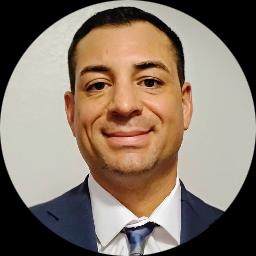
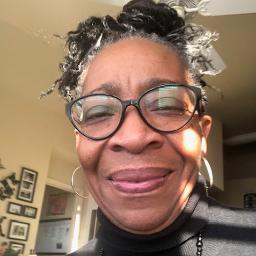
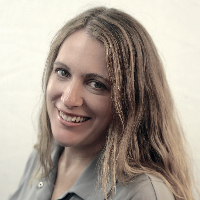
Deborah Whalen
LCSW-R, LCSW
Licensed Clinical Social Worker - Family and Trauma
- Family
- Trauma and abuse
- Intimacy-related issues
A directory of US therapists who hold an LCSW license
In crisis? Call or text 988LCSW license holders
42 clinical social workers in this directory are licensed in New Mexico. Sessions are online, but a license covers one state, so check the license card on each profile if you will be somewhere else during sessions.
Welcome to our directory of online therapists serving New Mexico. All therapists listed here hold a licensed clinical social worker (LCSW) credential. Explore profiles to compare experience, languages, approaches, and areas of focus as you look for the right match.
LCSW-R, LCSW
Licensed Clinical Social Worker - Family and Trauma
LCSW
Licensed Clinical Social Worker - Stress and Addictions
LCSW
Licensed Clinical Social Worker - Trauma and Anxiety
LCSW
Licensed Clinical Social Worker - Family and Relationships
LCSW
Licensed Clinical Social Worker - Mood and Stress concerns
LCSW
Licensed clinical social worker - addictions and mood
LCSW
Licensed Clinical Social Worker - Stress and Relationships
LCSW, LICSW
Licensed Clinical Social Worker - grief and life changes
LCSW
Licensed Clinical Social Worker - Stress and Anxiety
LCSW
Licensed Clinical Social Worker - trauma and family concerns
LCSW
Licensed Clinical Social Worker - Relationships and Stress
LCSW
Licensed Clinical Social Worker - Stress and Relationships
LCSW
Licensed Clinical Social Worker - Stress and Addictions
LCSW, LISW
Licensed social worker - mood and relationship concerns
LCSW
Licensed Clinical Social Worker - Mood and anxiety
LCSW
Licensed Clinical Social Worker - Addictions and Trauma
LCSW
Licensed Clinical Social Worker - relationships and trauma
LCSW
Licensed Clinical Social Worker - Stress and Relationship concerns
LCSW
Licensed Clinical Social Worker - trauma and addiction care
LCSW
Licensed Clinical Social Worker - mental health and parenting
LCSW
Licensed Clinical Social Worker - Transitions and Parenting
LCSW
Licensed social worker - trauma and anxiety
LCSW
Licensed Clinical Social Worker - stress and relationships
LCSW
Licensed Clinical Social Worker - stress and trauma support
LCSW, LICSW
Licensed Clinical Social Worker - mood and stress
LCSW
Licensed Clinical Social Worker - Stress and Relationships
LCSW
Licensed clinical social worker - stress and parenting support
LCSW
Licensed Clinical Social Worker - Stress and Trauma
LCSW-C, LCSW, CSW
Licensed Clinical Social Worker - Relationships and Transitions
LCSW
Licensed Clinical Social Worker - Anxiety and Stress
LCSW
Licensed Clinical Social Worker - Stress and Trauma
LCSW
Licensed Clinical Social Worker - Stress and Mood Disorders
LCSW
Licensed clinical social worker - stress and mood concerns
LCSW
Licensed Clinical Social Worker - Stress and Anxiety
LCSW
Licensed clinical social worker - stress and parenting support
LCSW
Licensed Clinical Social Worker - Anxiety and Trauma
LCSW
Licensed Clinical Social Worker - Stress and Trauma
LCSW
Licensed Clinical Social Worker - Stress and Addictions
LICSW, LCSW
Licensed Clinical Social Worker - Relationship and Trauma
Some links on this page are partner links. We will earn a commission if you sign up through one, at no cost to you. It does not change what you pay or the order of the listings.
If you live in New Mexico, you will find that many licensed clinical social workers now include online sessions as part of their practice. State licensing allows LCSWs to provide clinical services across distance when they follow relevant rules, and the option to work remotely has expanded where people can access care. Online sessions can be delivered in a variety of formats including video calls, phone conversations, and asynchronous messaging, depending on what an individual practitioner lists on their profile. How those options are offered can vary from one LCSW to another, because the license is issued by the state and each clinician chooses how to structure their services.
Keep in mind that the scope of practice for an LCSW is defined by the state licensing board. An LCSW holds a master’s degree in social work, has completed a state-set period of supervised post-graduate clinical experience, and has passed a clinical exam. That credential signals training in clinical assessment and intervention alongside a person-in-environment perspective, which means clinicians look at housing, work, family, finances, community, and access to care together with emotional and psychological concerns. For many people in New Mexico this integrated view can be especially relevant because geographic, cultural, and socioeconomic factors shape daily life in distinctive ways.
Online sessions with an LCSW can make it easier to fit clinical care into a busy or geographically spread life. You may save travel time if you live in a rural or semi-rural part of New Mexico, or you might prefer the convenience of connecting from home or from another comfortable environment. Online work can also broaden the range of clinicians you can review: you can look at profiles across the state to find someone whose experience, languages spoken, or focus areas match what matters to you.
Another practical advantage is continuity. If you move within New Mexico or are temporarily away from your usual residence, online sessions can help you keep working with the same professional voice and plan. That continuity can be helpful when a clinician uses the person-in-environment perspective typical of social work to address practical barriers - such as housing instability, employment changes, childcare logistics, or access to community resources - alongside emotional concerns. Many people find that this combined focus helps them make changes that are realistic and sustainable in their everyday context.
Licensed clinical social workers in New Mexico work with a wide range of concerns. You may find LCSWs who focus on mood and anxiety concerns, life transitions, relationship challenges, stress related to work or caregiving, grief, and coping with chronic health conditions. Because social work training emphasizes the interaction between a person and their environment, many LCSWs also support people dealing with housing pressure, unemployment, immigration-related stress, and the practical effects of financial strain. This makes LCSWs a common choice for people who want help that acknowledges systems and circumstances in addition to feelings and thoughts.
Profiles commonly note populations and life stages that clinicians address. Some LCSWs list experience working with adolescents, young adults, parents, older adults, veterans, or people from specific cultural backgrounds. Others highlight work with particular life events such as divorce, caregiving transitions, or recovery from traumatic experiences. When reading profiles, look for descriptions that tell you whether a clinician has experience with issues that matter in your life, and whether they describe an approach that resonates with how you prefer to work.
Verifying licensure is an important step because licensure is the mechanism New Mexico uses to define the legal scope of clinical practice. To confirm that a clinician holds an active LCSW license, you can use the official state licensing board's resources. The board’s online database allows you to search by name or license number to see a license's current status, expiration date, and any public disciplinary records. That public information is the definitive source when you want to know whether a clinician is legally licensed to provide clinical social work services in New Mexico.
When you look at a license record, pay attention to the exact license title listed. The credential here is licensed clinical social worker - an LCSW. If a profile mentions additional terms or different credential abbreviations, remember that those are separate licenses in some states and are not the same as an LCSW. The licensing record will also show the issuing authority and renewal dates, which can help you understand whether the license is current. If anything on a profile seems unclear, you can use the licensing database entry as a factual reference point when you reach out to a clinician for more information.
Starting online work with an LCSW often begins with reviewing profiles to find clinicians who describe experience, languages, and focus areas that match your needs. Once you identify several profiles that feel like a reasonable fit, you can contact those clinicians by the contact method indicated on their profile to ask practical questions about how they work. Many people ask about session length, typical frequency, how paperwork or intake is handled, and what kind of technical platform is used for video sessions. If insurance or payment matters to you, it makes sense to ask about accepted plans, out-of-pocket costs, and whether sliding scale options are offered.
Before your first online session, pick a comfortable environment where you can speak freely and minimize interruptions. Make sure your device's camera, microphone, and internet connection are working, and ask the clinician what to do if a connection is interrupted. You might also prepare by thinking about what you want to focus on in early meetings - whether that is immediate coping strategies, a longer-term problem, or an assessment of the most pressing life areas affecting you. Clear, simple goals for the first few sessions can make the initial time together more productive.
Choosing a clinician is a personal process and there is no single factor that guarantees a good fit. You may find it helpful to prioritize the criteria that matter most to you. Some people place a high value on cultural or linguistic match and look for LCSWs who list fluency in their preferred language or who describe experience with their cultural community. Others prioritize clinical experience with a particular age group or life issue. The person-in-environment perspective common to social work means many LCSWs explicitly consider external factors like housing, work, and family - if that matters to you, seek profiles that mention that orientation.
When comparing profiles, focus on stated areas of focus, years of clinical experience, languages spoken, and any descriptions of populations served. Many clinicians list the approaches they use; remember that a profile can indicate which approaches a clinician lists without implying specific certifications. Use initial conversations to sense whether the clinician’s communication style and practical arrangements - such as session length, fees, and documentation - align with your expectations. Trust your response to the clinician’s questions and explanations; a comfortable rapport and a shared understanding of goals are often more important than technical labels.
Finally, keep realistic expectations about the first few sessions. Building trust and clarifying goals takes time, and the initial period is usually about establishing a plan that fits your life and priorities. By focusing on the practical elements and the clinician's experience with the issues that matter to you, you can make an informed choice about who to work with for online clinical social work in New Mexico.