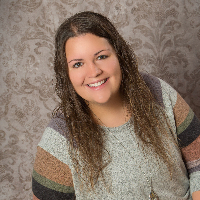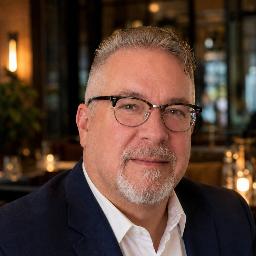
Paul Paladie
LICSW, LCSW
Licensed Clinical Social Worker - Stress and Addictions
- Stress, Anxiety
- Addictions
- Trauma and abuse
A directory of US therapists who hold an LCSW license
In crisis? Call or text 988LCSW license holders
10 clinical social workers in this directory are licensed in Minnesota. Sessions are online, but a license covers one state, so check the license card on each profile if you will be somewhere else during sessions.
Welcome to the Minnesota directory of online therapists who hold the Licensed Clinical Social Worker (LCSW) credential. All therapists listed here are licensed clinical social workers in Minnesota. Explore the profiles below to learn about their backgrounds, languages, and clinical focus areas to help you find a good fit.
LICSW, LCSW
Licensed Clinical Social Worker - Stress and Addictions
LCSW, LICSW
Licensed Clinical Social Worker - Stress and Anxiety
LCSW, CSW
Licensed Clinical Social Worker - Stress and Trauma
LCSW, LICSW
Licensed Clinical Social Worker - stress and anxiety
LICSW, LCSW
Licensed Clinical Social Worker - stress and trauma
LCSW
Licensed Clinical Social Worker - Stress and Women's Issues
LCSW, LICSW
Licensed Clinical Social Worker - stress and trauma
LICSW, LCSW
Licensed Clinical Social Worker - stress and relationships
LCSW, LICSW
Licensed Clinical Social Worker - Stress and Depression
LCSW, LICSW
Licensed clinical social worker - stress and addiction
Some links on this page are partner links. We will earn a commission if you sign up through one, at no cost to you. It does not change what you pay or the order of the listings.
If you are considering online therapy with an LCSW in Minnesota, you are looking for clinicians who hold a state-issued clinical social work license. An LCSW holds a master of social work degree, has completed a state-set period of supervised post-graduate clinical experience - commonly two to three years and several thousand hours - and has passed a clinical licensing examination. The license is issued and renewed by Minnesota's licensing board, and scope of practice and title can vary between states. In Minnesota, licensed clinical social workers provide assessment and clinical services within the boundaries set by state regulation, and many offer appointments via telehealth technology so you can meet with a clinician from home or another convenient location.
The social work training behind the LCSW credential emphasizes a person-in-environment perspective. That means an LCSW will typically look at your internal experience together with your living circumstances - housing, work, family, finances, community, and access to care - rather than treating personal concerns in isolation. For many people that holistic viewpoint is a reason to seek an LCSW specifically. Online sessions allow you to access clinicians across the state without the need to travel, while still working with someone who understands how social, economic, and environmental factors shape well-being.
Online therapy can make it easier to fit mental health care into a busy life, and that convenience has practical benefits in Minnesota where distances between towns and cities can be large. You may save time on commuting, reduce the need to arrange childcare, and be able to schedule sessions around work or school. If you live in a rural area, online sessions can broaden the pool of clinicians you can connect with, letting you look for professionals with experience relevant to your situation and the LCSW credential you prefer.
Technology also supports continuity of care after life changes. If your work or family responsibilities shift, you can often continue sessions without restarting the search process. Online meetings can be a good fit for short-term goals as well as longer-term work. In addition, many LCSWs who offer online sessions describe considerations they use to adapt clinical work to a remote format, such as establishing a clear plan for session structure and discussing how to handle emergencies or interruptions. Those practical adjustments help create a steady framework for therapeutic work whether you meet from a city apartment or a home in a small town.
Licensed clinical social workers in Minnesota commonly support people with a broad range of emotional and life concerns. You can expect LCSWs to work with stress, anxiety, depression, relationship challenges, parenting adjustments, grief, and life transitions. Because social work training highlights the person-in-environment approach, LCSWs often pay particular attention to factors such as housing stability, employment stress, community resources, and family roles while addressing mental health symptoms.
Many LCSWs also focus on longer-term patterns such as coping styles, boundary setting, and integration of past experiences into current functioning. Some list experience or interest in working with identity-related issues, trauma reactions, chronic illness, or caregiving stress. When you read a profile, look for descriptions of clinical focus areas and the kinds of life circumstances a clinician highlights. That will help you find an LCSW whose experience aligns with the issues you want to address. Remember that the directory records the LCSW credential; specific clinical approaches or methods a clinician lists are noted by the clinician and do not constitute verification of specialized certification.
It is reasonable to confirm that a clinician holds an active LCSW license issued by Minnesota's licensing authority. You can verify licensure through the Minnesota Board of Social Work's public license lookup. By searching the board's license lookup you can confirm that an LCSW's license is current, see the date of licensure and renewal, and review any public disciplinary actions recorded by the board. Checking licensure lets you confirm that the clinician is authorized to practice at the clinical level in Minnesota and that the credential listed on a profile matches the board record.
When you use a public license search, enter the clinician's full name as it appears on their profile. If you have a license number, that will narrow the search, but a name search is usually sufficient. The board site also provides general information about scope of practice, licensing requirements, and how to interpret public records. If you have questions about what you find on the board site, the board's contact information is published there and can be used to request clarification about a license record. Verifying licensure is a straightforward step that helps you understand the regulatory status of any LCSW you are considering.
Beginning with online therapy involves practical and personal steps. Before you reach out to a clinician, think about the goals you want to address, the communication style that feels comfortable for you, and any scheduling constraints. Review clinician profiles to learn about languages spoken, clinical focus areas, years of experience since licensure, and whether a clinician emphasizes working with specific life circumstances. Profiles are a way to compare those professional attributes rather than operational details like schedule or session openings.
When you contact an LCSW, introduce yourself briefly and describe the issues you want to address so you can get a sense of whether the clinician highlights relevant experience. You can ask about their experience working with situations similar to yours or about the kinds of resources they typically recommend. If a clinician lists particular therapeutic approaches on their profile, you can ask how those approaches show up in sessions; phrase questions in a way that invites description rather than seeking certification claims. It is also reasonable to inquire about fees, payment methods, and whether the clinician works with particular insurance carriers, since those are practical matters that influence whether an option will work for you.
There are additional considerations specific to telehealth. Make sure you will have a personal setting and a device with a stable internet connection for your sessions. Think through how you will manage interruptions and where you will go if you need to step away. Ask the clinician what platform they use for online meetings and how they handle documentation and privacy in their practice. If you are moving across state lines or travel frequently, ask how licensure affects where a clinician can legally provide services, as licensing rules determine the geographical limits of practice.
Choosing an online LCSW is a personal process. Trust your sense of whether a clinician's communication style, focus areas, and listed experience feel aligned with your needs. It is okay to consult several profiles and to take time deciding who you want to contact. The person-in-environment perspective that characterizes social work can be particularly helpful when your life circumstances - housing, work, family, or community connections - are central to the concerns you want to address. Use the information in clinician profiles to identify LCSWs whose backgrounds and stated focus areas resonate with your goals, and then reach out to learn more through an initial conversation.