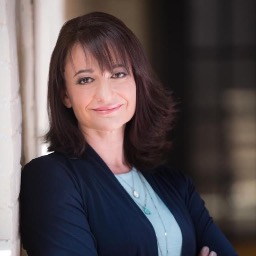
Terence Donahue
LCSW
Licensed Clinical Social Worker - anxiety and trauma
- Stress, Anxiety
- Relationship
- Trauma and abuse
A directory of US therapists who hold an LCSW license
In crisis? Call or text 988LCSW license holders
47 clinical social workers in this directory are licensed in Maine. Sessions are online, but a license covers one state, so check the license card on each profile if you will be somewhere else during sessions.
Welcome to our directory of online therapists serving Maine. All listed clinicians hold a Licensed Clinical Social Worker (LCSW) credential issued by their state licensing board. Explore profiles to learn about each LCSW's focus areas, languages, and experience.
LCSW
Licensed Clinical Social Worker - anxiety and trauma
LCSW
Licensed Clinical Social Worker - Stress and Anxiety
LCSW
Licensed Clinical Social Worker - Stress and Anxiety
LCSW
Licensed Clinical Social Worker - stress and coping
LCSW
Licensed Clinical Social Worker - stress and relationships
LCSW
Licensed Clinical Social Worker - stress and trauma
LCSW
Licensed Clinical Social Worker - Trauma and Stress
LCSW
Licensed social worker - stress and trauma
LCSW
Licensed Clinical Social Worker - Stress and Trauma
LCSW
Licensed Clinical Social Worker - Stress and Anxiety
LCSW
Licensed Clinical Social Worker - trauma and family concerns
LCSW, LICSW
Licensed Clinical Social Worker - Stress and Trauma
LCSW
Licensed Clinical Social Worker - Stress and Trauma
LCSW, LICSW
Licensed Clinical Social Worker - mood and behavior
LCSW
Licensed Clinical Social Worker - Stress and Addictions
LCSW
Licensed clinical social worker - relationships and mood
LCSW
Licensed Clinical Social Worker - relationships and trauma
LCSW
Licensed clinical social worker - stress and trauma
LCSW
Licensed Clinical Social Worker - mood and life transitions
LCSW
Licensed Clinical Social Worker - women's health and mood
LCSW
Licensed Clinical Social Worker - Coping with life changes
LCSW
Licensed Clinical Social Worker - Stress and Anxiety
LCSW
Licensed clinical social worker - relationship and trauma support
LCSW
Licensed Clinical Social Worker - mood and life changes
LICSW, LCSW
Licensed Clinical Social Worker - stress and trauma
LCSW
Licensed Clinical Social Worker - relationships and mood
LCSW
Licensed Clinical Social Worker - Stress and Mood Concerns
LCSW
Licensed Clinical Social Worker - Stress and Career
LCSW
Licensed social worker - stress and relationships
LCSW
Licensed Clinical Social Worker - Stress and Trauma
LCSW
Licensed Clinical Social Worker - Stress and Addiction
LCSW
Licensed Clinical Social Worker - Anxiety and Life Changes
LCSW
Licensed Clinical Social Worker - Trauma and Stress
LCSW
Licensed Clinical Social Worker - anxiety and trauma
LICSW, LCSW
Licensed Clinical Social Worker - Stress and Trauma
LICSW, LCSW
Licensed Clinical Social Worker - Stress and Trauma
LCSW
Licensed clinical social worker - mood and coping
LCSW
Licensed Clinical Social Worker - Stress and Trauma
LCSW
Licensed clinical social worker - Stress and grief
LCSW
Licensed Clinical Social Worker - Stress and Relationships
LCSW
Licensed clinical social worker - stress and parenting
LCSW
Licensed Clinical Social Worker - stress and relationships
LCSW
Licensed Clinical Social Worker - Anxiety and Depression
LCSW
Licensed Clinical Social Worker - relationships and mood
LCSW
Licensed Clinical Social Worker - Stress and Addiction
LCSW
Licensed social worker - mood and addiction support
LCSW
Licensed Clinical Social Worker - Family and Trauma-focused
Some links on this page are partner links. We will earn a commission if you sign up through one, at no cost to you. It does not change what you pay or the order of the listings.
If you are looking for a licensed clinical social worker who offers online sessions in Maine, you are tapping into a professional credential that emphasizes both clinical skill and a broad view of life circumstances. An LCSW holds a master’s degree in social work, completed a period of supervised post-graduate clinical experience, and passed a licensing examination. That combination means the clinician you find through this directory has met the state standards to practice clinical social work, and their profiles typically describe the populations they work with, the settings they have experience in, and the languages they speak.
Online practice in Maine is shaped by state licensing rules and by how each clinician chooses to structure remote care. Many LCSWs integrate an understanding of your housing, work, family, finances, community connections, and access to services into clinical work. That person-in-environment perspective is a hallmark of social work training and can be especially useful when you want help that recognizes your life context as well as your internal experience. Because licensing is handled at the state level, a clinician practicing from Maine should list Maine licensure when they provide online clinical services to residents of the state.
Online sessions can make it easier to fit clinical care into your day when travel, work schedules, caregiving, or geographic distance are barriers. With a licensed clinical social worker, you still get a clinician who is trained to consider your environment - the interplay of your housing, finances, workplace, family roles, and community - alongside mental health concerns. That broader lens can help you address immediate emotional needs while also exploring practical steps that affect daily life, such as connecting to local resources or adjusting routines that influence stress.
For people living in rural or coastal parts of Maine, online sessions can reduce the need for long drives in winter weather. For those balancing parenting, shift work, or college schedules, sessions that take place through a video call or phone can fit into a tighter calendar. You may also find LCSWs who list experience working with specific populations or who offer sessions in languages other than English, which can make the therapeutic relationship more accessible. While a virtual setting changes some logistics of how sessions are arranged, it does not change the fact that an LCSW brings clinical training and a regulatory credential that is governed by the state board.
Licensed clinical social workers in Maine commonly work with a broad range of concerns. You can expect many LCSWs to address depression, anxiety, grief, relationship challenges, caregiving stress, trauma-related difficulties, and life transitions such as job changes or relocation. Because social work training looks at the person-in-environment, LCSWs often attend to practical factors that affect mental health, including housing instability, employment issues, access to health care, and family dynamics. That makes them well suited to help when you want to consider both emotional coping and concrete steps toward improving daily life.
Profiles on this site often list the populations a clinician works with, such as adolescents, adults, older adults, veterans, caregivers, or couples. They may also note areas of focus like substance use concerns, trauma, or parenting support. When you read a profile, you will sometimes see the therapeutic approaches the clinician lists. For example, you may find therapists who list EMDR among their approaches, or those who list cognitive behavioral methods or psychodynamic perspectives. Listing an approach on a profile does not function as a certificate of training; it simply communicates what the clinician notes on their profile as part of how they describe their practice.
Verifying that a clinician holds an active LCSW license in Maine is an important step if you want to confirm official credentials. State licensing boards maintain public records that allow you to look up a license number, see the license status, and review any disciplinary actions or limitations. To verify a license, start by finding the clinician's full name and the state they list as their licensure. Then use the Maine licensing board's online lookup or call the board directly to confirm the LCSW status. The record will indicate whether the license is current and whether there are any public actions recorded with the board.
Because rules and titles vary by state, make sure the credential listed is specifically LCSW and not a different social work designation. Licenses are issued and renewed by the state board, so scope of practice and allowed activities can differ from one jurisdiction to another. If you have questions about what an LCSW in Maine is permitted to do, you can ask the licensing board for guidance. The board can also explain how long an LCSW has been licensed and provide any publicly available history related to licensing. This step gives you factual information about the clinician's licensing status without relying on self-reported claims.
When you are ready to reach out to an LCSW, think about the practical details you will want to confirm before the first session. Identify how you prefer to meet - via video, phone, or another online format - and make sure your device and internet connection will support that option. Consider where you will sit during a session so you can speak freely in a comfortable environment. Also think about any insurance or payment questions you want to ask and whether you will need documentation such as a referral.
Choosing the right clinician often comes down to fit. Look at profiles to learn about each LCSW's areas of focus, years of experience in particular settings, the populations they list, and the languages they offer. Pay attention to whether a clinician describes experience with concerns similar to yours and whether their stated approach resonates with how you like to work. Some people prioritize a clinician who emphasizes practical, problem-focused work that addresses concrete life circumstances. Others prefer a clinician who centers more on processing emotions and exploring patterns. Because LCSW training emphasizes the interaction between life conditions and internal experience, these clinicians often describe how they will consider both aspects in their work with you.
Before you begin regular sessions, ask about how the clinician handles emergencies or situations where immediate in-person support is needed. Online sessions work well for many kinds of concerns, but it's helpful to know what the clinician recommends if you need urgent help and how to access local resources in Maine. You can also ask about languages spoken, how long sessions typically last, whether notes or summaries are provided, and how communication between sessions is handled. These practical questions help you set expectations without relying on assumptions.
Finally, remember that it is reasonable to seek a clinician whose experience and profile align with your needs. Reading multiple profiles and learning about the LCSW credential can help you identify clinicians who describe relevant focus areas and experience. Taking these steps will help you start online therapy with clear information and a sense that the clinician's training and perspective match what you are seeking.