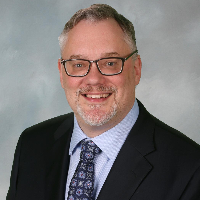
Jessica Hobart
LCSW
Licensed Clinical Social Worker - Stress and Grief
- Stress, Anxiety
- Grief
- Self esteem
A directory of US therapists who hold an LCSW license
In crisis? Call or text 988LCSW license holders
6 clinical social workers in this directory are licensed in Iowa. Sessions are online, but a license covers one state, so check the license card on each profile if you will be somewhere else during sessions.
Welcome to ClinicalSocialWorkers.org's Iowa directory for online therapy with licensed clinical social workers. All therapists listed here hold an LCSW license issued by a state board - explore the profiles below to learn about their focus areas and experience.
LCSW
Licensed Clinical Social Worker - Stress and Grief
LCSW, LISW
Licensed Clinical Social Worker - Addictions and Trauma
LCSW, LISW
Licensed clinical social worker - relationships and anxiety
LCSW, CSW
Licensed Clinical Social Worker - Life changes and addictions
LCSW, CSW
Licensed Clinical Social Worker - stress and addiction issues
LCSW, LISW
Licensed Clinical Social Worker - Stress and Anxiety
Some links on this page are partner links. We will earn a commission if you sign up through one, at no cost to you. It does not change what you pay or the order of the listings.
If you are considering online therapy in Iowa, you will most often be connecting with professionals who hold the Licensed Clinical Social Worker credential. An LCSW indicates a specific path of graduate education and supervised clinical practice followed by a licensing examination. Because the license is issued by each state board, the scope of practice and the specific title you see may vary somewhat by jurisdiction. In Iowa, LCSWs provide clinical services using a person-in-environment perspective that places your mental health in the context of housing, work, family, finances, community, and access to care. That viewpoint can be especially useful when you want help that considers both internal experience and external circumstances.
Online sessions allow an LCSW to offer psychotherapy, case conceptualization, care planning, and coordination with other community resources when appropriate. Many LCSWs who offer online services also work with community agencies, schools, and medical providers to support a broader network of care. When you look at profiles, you will see information about languages spoken, focus areas, and therapeutic approaches that each clinician lists. Those profile details can help you identify who might align with your needs and preferences.
Choosing online sessions with an LCSW can remove some of the barriers that get in the way of attending in-person appointments. If you live in a rural part of Iowa, travel time to urban centers can be substantial, so meeting by video reduces the need to commute and lets you fit care into your real-life schedule. Online work can also make it easier to continue care while traveling, working irregular hours, or managing caregiving responsibilities. For many people, the ability to meet from home or from another familiar setting reduces logistical stress and increases consistency in attending appointments.
Because social work training emphasizes the interaction between personal struggles and environmental factors, online work with an LCSW often incorporates discussions about access to housing, employment, community supports, and public benefits alongside emotional and behavioral concerns. That integrated focus can help you address problems that are rooted in everyday life circumstances as well as internal challenges. In addition, online sessions sometimes allow family members or other support persons to join from separate locations when that kind of involvement is helpful and agreed upon.
When you search for an LCSW, you will find clinicians who list a wide range of focus areas. Many LCSWs work with depression, anxiety, relationship concerns, grief, and stress related to work or family life. Others list experience supporting people through life transitions such as divorce, job change, retirement, relocation, or adjustment to medical conditions. Because social workers are trained to consider social determinants of health, you may also find LCSWs who address housing instability, financial stress, access to community supports, and advocacy needs as part of clinical care.
Some LCSWs describe that they work with trauma-related concerns, substance use issues, parenting challenges, or chronic health conditions where psychological and social factors interact. Profiles often include the therapeutic approaches a clinician lists, but that listing does not imply certification or a particular outcome. If an approach is important to you, look for clinicians who mention it in their profile and describe how they apply it in practice. Language preferences, cultural background, and experience with particular populations are commonly listed and can matter a great deal when you are choosing someone to work with.
Before you commit to working with someone, it is reasonable to verify that they hold an active LCSW license issued by the state. The simplest route is to use the Iowa state board responsible for social work licensure. That board maintains an online license lookup where you can enter a clinician's name or license number to confirm the license type, status, and expiration date. The board record may also show disciplinary actions, renewal history, and contact information for the regulatory office if you need clarification.
When you check a license, match the name and license number on the clinician's profile with the board record. Pay attention to the listed license status and expiration date. If you prefer, you can also contact the board by phone or email to ask how to interpret any information you find. Remember that licensure standards require a master's degree in social work, a period of supervised post-graduate clinical experience that varies by state - commonly two to three years and several thousand hours - and passage of a clinical licensing examination. The license is renewed periodically through the state board, and the scope of practice can differ from state to state.
Getting started with an online LCSW typically begins with reviewing clinician profiles to see who lists focus areas, approaches, languages, and experience that matter to you. When you find profiles that seem promising, note the clinician's credentials and any descriptions of populations they list. You may want to prepare a short summary of what brings you to therapy, what outcomes you hope to reach, and any practical constraints such as work hours or caregiving responsibilities. Having that summary ready will help you communicate your needs clearly during an initial contact.
As you weigh options, pay attention to whether a clinician emphasizes a person-in-environment perspective, particularly if you want support that considers both life circumstances and emotional experience. Look at languages spoken and cultural background when language access or cultural fit is important to you. Consider how clinicians describe their approaches - remember that a profile can indicate what they list among their approaches but does not guarantee a specific credential in any method. Focus on clinicians whose descriptions align with your goals and whose communication style appeals to you.
Plan to use a reliable device and a stable internet connection, and choose a quiet, quiet space for sessions where you will not be interrupted. If you need to include a family member or other support person, talk with the clinician about how to arrange that in a way that respects everyone's boundaries. Ask about how the clinician handles documentation, records, and coordination with other providers if that is part of your care plan. You may also want to confirm the languages in which the clinician conducts sessions and whether they are familiar with community resources in Iowa that could support goals beyond psychotherapy.
Therapeutic fit can depend on many factors, including communication style, shared values, cultural understanding, and the clinician's experience with issues similar to yours. When you read profiles, consider the focus areas and the approaches clinicians list, the populations they mention, and any statements about how they work in session. It is reasonable to look for someone whose background suggests an ability to address the concerns you bring. If you do not feel the fit is right after an initial session, you can continue searching for a clinician whose profile better matches your preferences.
Choosing an online LCSW in Iowa is a personal process that benefits from a clear sense of your goals, attention to the clinician's credentials and experience, and practical planning for how sessions will fit into your life. By using the state board resources to confirm licensure, reviewing profiles for approach and population focus, and preparing a brief summary of your needs, you can take active steps toward working with a licensed clinical social worker who aligns with what you want from care.